

I’ve always been fascinated by how girlhood, as an aesthetic and cultural script, has been about reclaiming space. What once seemed trivial, pink accessories, playful slang, glittered stationery, a kind of joyful frivolity, now circulates with immense cultural capital, much thanks to movies such as Barbie(2023). Yet the more I think about it, the more I sense that this very softness hides harder edges. Behind the playful tone, there are complex undercurrents that link girlhood performance with broader political and cultural frameworks.
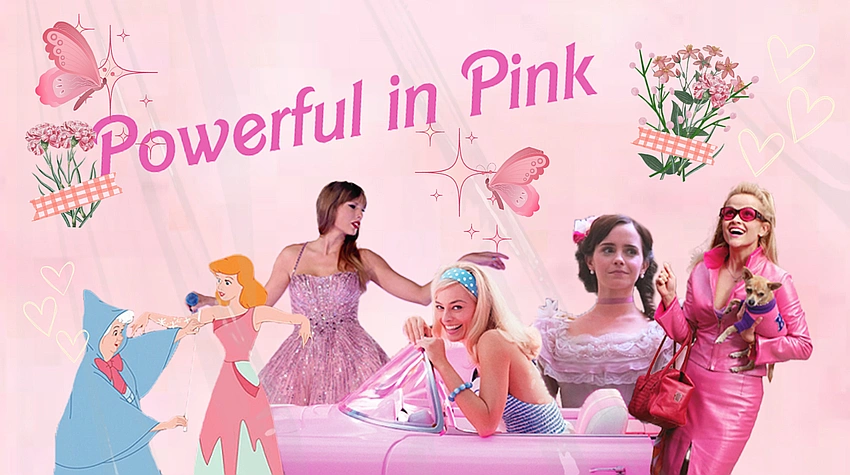
Girlhood, after all, isn’t just about expression; it’s about choreography. It is the dance between empowerment and constraint, radical possibility and conservative retrenchment. To study it is to realise that every (maybe not every, but a lot of) pastel-coloured scrunchie is also a knot tying femininity to a deeper ideological fabric.
When Empowerment Becomes Palatable
One of the questions I keep circling is this: who benefits from the cheerfulness of girlhood? On the surface, girlhood culture promises liberation. It allows young women to reclaim the stereotypes of softness and playfulness once used to belittle them. There’s joy in celebrating silliness, in saying, “yes, I’ll embrace excess glitter and call it power.”
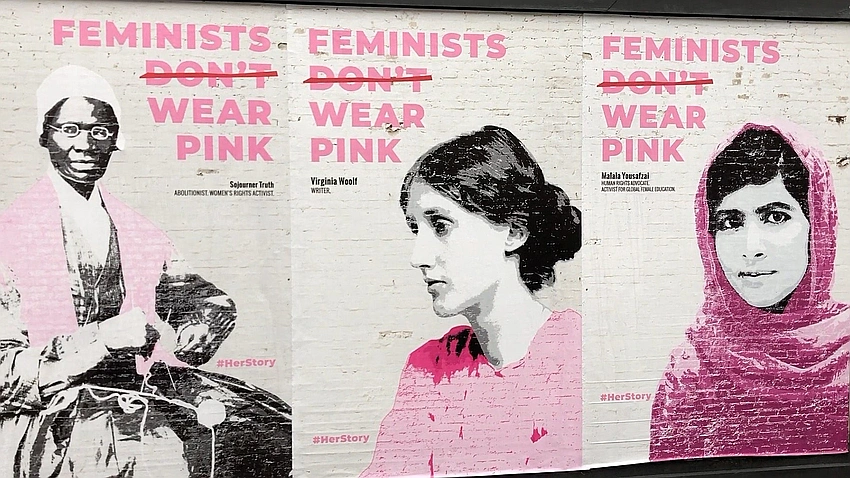
But I wonder if that empowerment sometimes becomes palatable precisely because it is non-threatening. It offers a form of feminism that doesn’t unsettle too deeply, that packages power in ways that remain digestible to dominant cultural orders. This kind of girlhood doesn’t shout or demand systemic change; it flutters its lashes, makes its spreadsheets cute, and says everything is fine.
Tropes and Subtexts
Literature often reminds us that surfaces are deceiving. The familiar trope of the ingénue, for instance, is rarely as innocent as she appears. Beneath her softness lies a script written by patriarchy, one that makes her charming precisely because she does not disrupt.
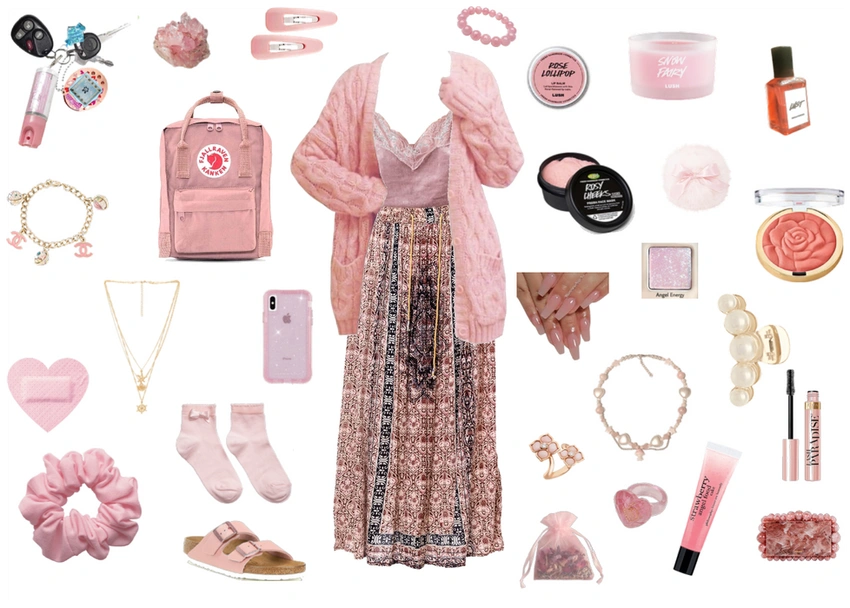
Girlhood culture today mirrors this paradox. Its aesthetics, pastels, bows, and cutesy slang function as signs, and signs always carry subtexts. They can be liberating in some contexts, but they can also reinforce the very structures they seem to resist. The smile, the sparkle, the softness: each can mask a deeper conservatism that celebrates girlhood as long as it stays playful, not political.
The Weight of Cheerfulness
Imagine if one tries to write a story in which the protagonist always spoke in cheerful, over-bright tones, even during tragedy. At first, it can feel like a bold, creative choice, an exaggerated embrace of positivity. But the longer you live with her, the more suffocating she becomes. Her brightness leaves no space for grief, no room for complexity.
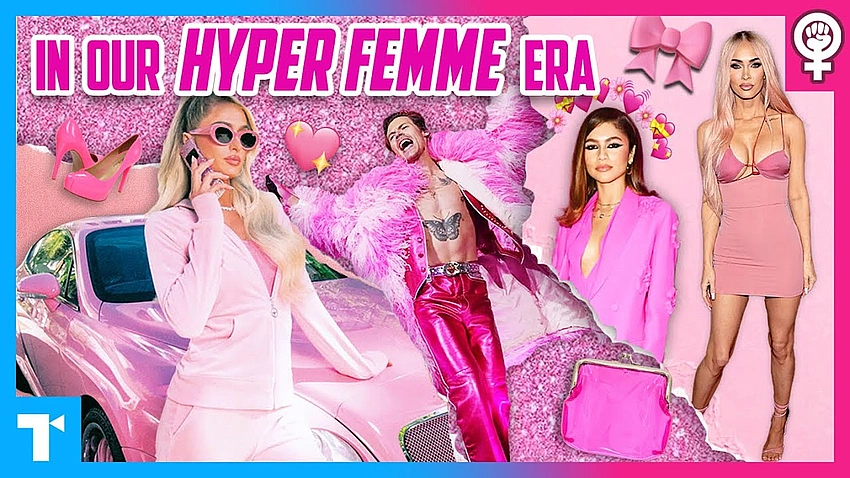
I think about that character often when I reflect on girlhood culture. Cheerfulness is powerful, but it can also become a cage. When femininity is expected to always look light, fun, and easy, it quietly disciplines us into leaving discomfort, anger, or critique unsaid. That’s a form of soft power: a velvet-gloved silencing.
The Aesthetics of Conservatism
It’s tempting to think of conservatism as stern, grey, and rigid. Yet its genius often lies in camouflage. Girlhood aesthetics can provide that camouflage. They render certain political or cultural ideals less visible, or at least less threatening.
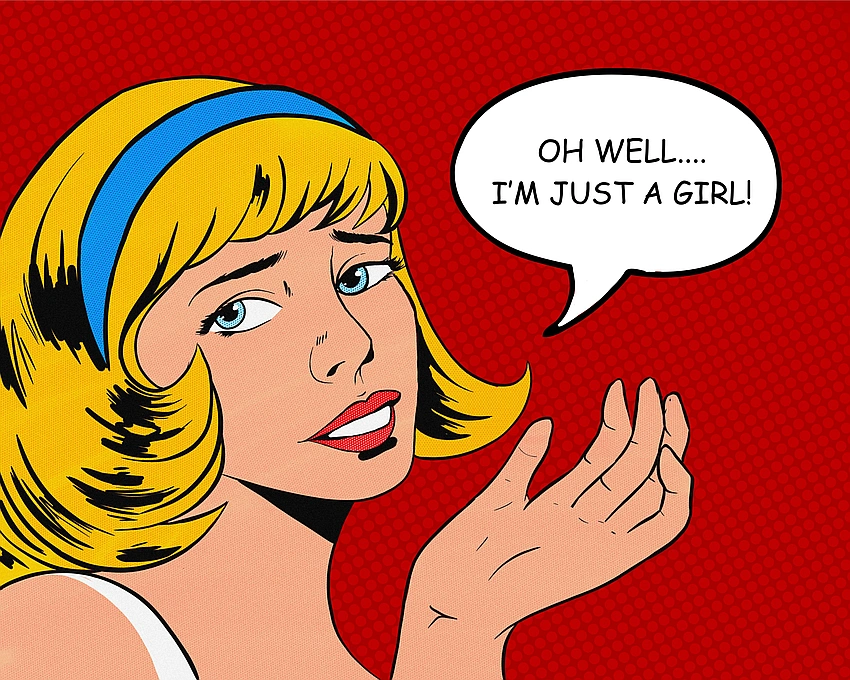
What emerges is a mode of domesticated radicalism: an aesthetic that looks new and empowering, but actually contains women within a comforting spectacle. By framing femininity as charming and harmless, it sustains old hierarchies while appearing modern. It whispers: play as much as you like, but don’t disrupt.
The Classroom Conversation
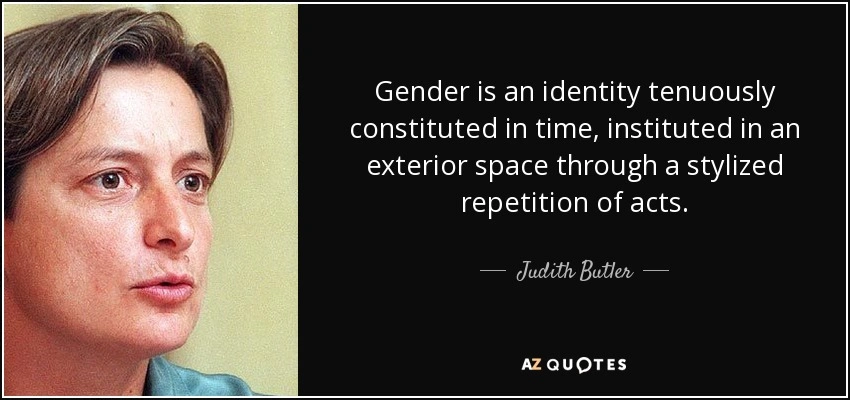
Judith Butler states to us that gender is performative, but here the performance feels doubly fraught. It’s not only about how femininity is enacted, but also about how it is marketed back to women as empowerment.
The question becomes: how can we celebrate the joy of girlhood aesthetics without letting them flatten feminist critique? I think of writers like Sylvia Plath, who destabilised domestic tropes by saturating them with rage, or Jeanette Winterson, who painted queer femininity in riotous, rebellious colours. They show us that aesthetic joy doesn’t have to be conservative; it can be unruly, unsettling, even grotesque in its brightness.
Holding Contradictions
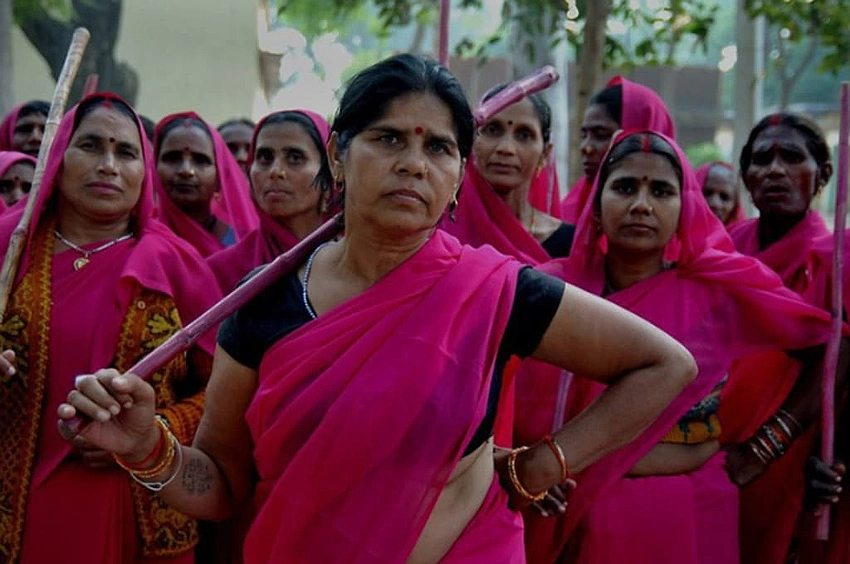
The truth is, you don’t have to reject girlhood entirely. There’s genuine delight in softness, in play, in collective silliness. To love glitter or bows is not inherently reactionary. Just take a look at Gulabi Gang from our very own India. Yet one has to be aware of the politics woven into them.
So perhaps the task is not to choose between rejection and uncritical celebration. It’s to hold the contradiction in balance: to enjoy the whimsy while recognising its potential constraints. Girlhood culture, like any aesthetic, contains multitudes. It can soothe, silence, empower, and entrap all at once.
Listening to the Hum Beneath the Glitter
What lingers with me is this sense of double-listening. On one level, I hear the joy: the laughter of friendship, the lightness of claiming femininity on one’s own terms. But beneath that, I also hear the hum of politics: a quieter melody that tells women what is acceptable, what is digestible, what is beautiful enough to belong.
As a literature student, I’m trained to read both surface and subtext, both trope and disruption. And girlhood is precisely that kind of text: a performance that dazzles in its brightness, but whose power lies in the shadows it conceals.
#Girlhood #CulturalPolitics #Empowerment #YouthCulture #GenderStudies #RightWing #Politics #PopCulture #PinkFeminism #PinkFeminism #Feminism
