
The Silicon Renaissance
Building a software app is relatively cheap. You need a laptop, some coffee, and a good internet connection. But building a semiconductor startup? That is an entirely different beast. When we talk about the future of telecom and power electronics, we are talking about hardware that needs to be physically manufactured, tested, and scaled. This is where seed funding transforms from a nice-to-have into a survival necessity.
Why Hardware is Different
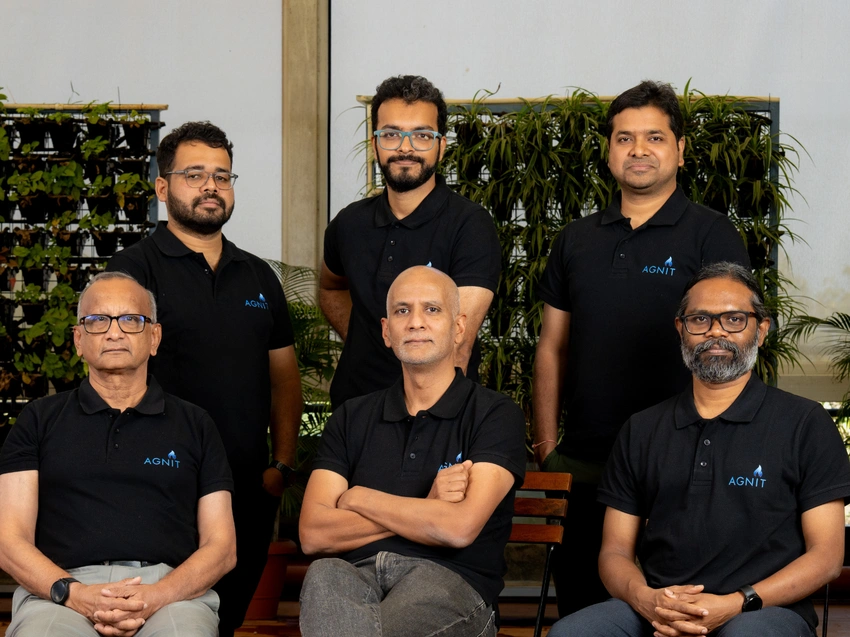
The recent buzz around Bengaluru-based startups raising millions for gallium nitride (GaN) components highlights a shift in the venture capital world. For a long time, hardware was seen as too risky. However, seed rounds are now providing the runway needed for deep-tech companies to transition from prototyping to mass production. We are talking about moving from a few test chips to producing over a hundred thousand components within a couple of years.
Hardware startups face a unique valley of death. They need specialized labs, expensive materials like wafers, and a team of experts who understand the complex physics of semiconductors. Without early-stage investors willing to bet on high-capital ideas, these innovations would never leave the university labs where they were born.
Powering the Future of Telecom
Why does this matter for the average person? Because the chips being developed today will power the 5G infrastructure of tomorrow and create more efficient power devices. Seed funding allows these founders to focus on strategic markets like telecom where the demand is immediate and the tailwinds are strong. By backing hardware early, investors are not just buying equity; they are building a national infrastructure.
It is about creating a self-reliant tech ecosystem where we do not just write the software but also build the silicon it runs on. Seed funding is the fuel that turns a high-stakes lab experiment into a global manufacturing powerhouse. As we look toward a world of high-speed connectivity and green energy, the importance of supporting hardware at its earliest stages has never been clearer.
