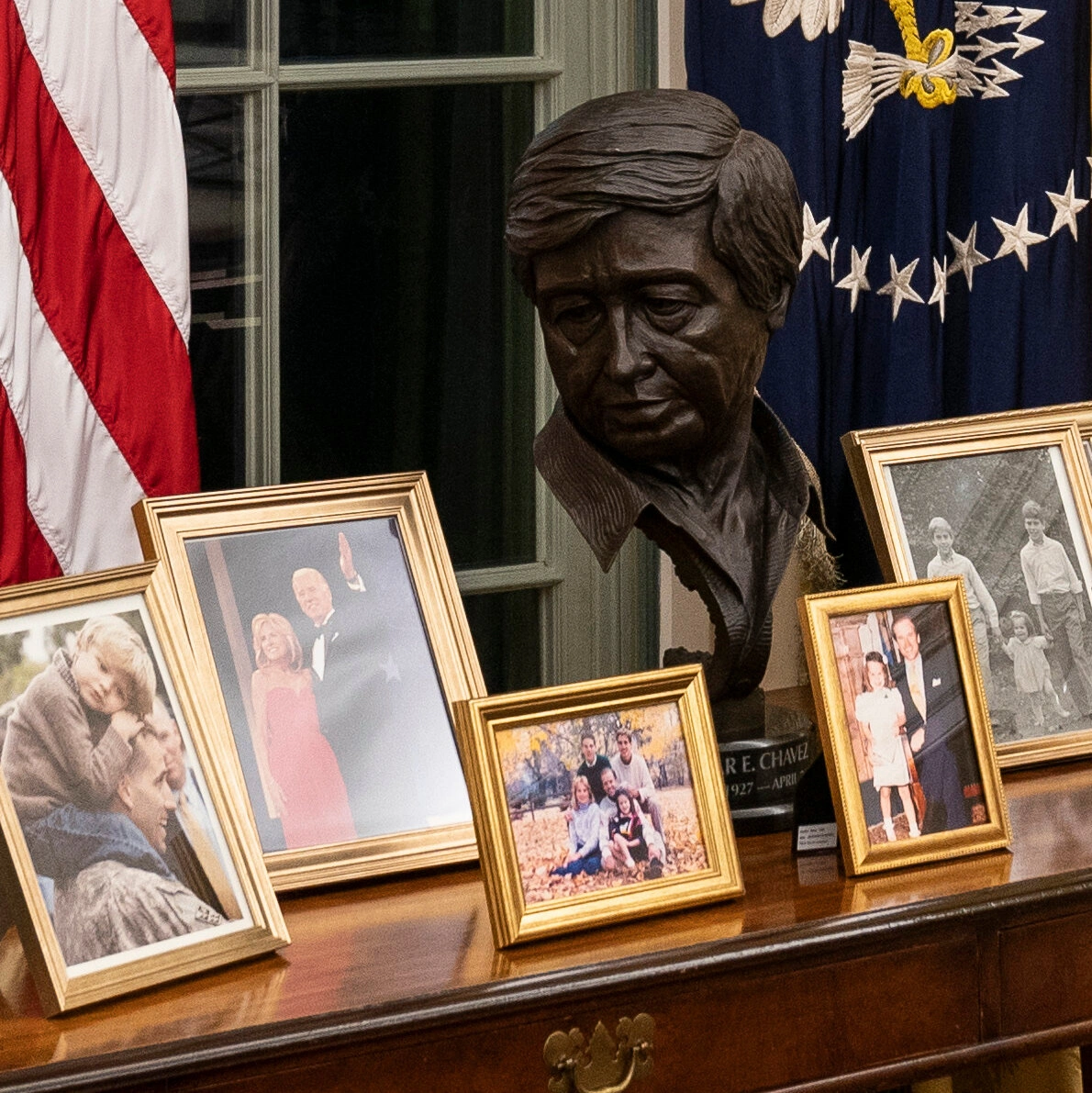

A nationwide reassessment of Cesar Chavez's legacy has intensified after a major investigation uncovered sexual abuse allegations connected to the United Farm Workers movement. In response, schools, libraries, and cultural institutions are trimming or reframing references to Chavez, and some are reconsidering commemorations and displays that once honored him. The moves reflect a broader push to balance historical impact with accountability and survivors' voices.
Over five years of reporting tracked allegations that Chavez sexually abused girls and women across levels of organizing and leadership within the movement. The findings have prompted institutions to reexamine how they present Chavez in histories of civil rights and labor organizing, and to foreground survivor perspectives.
Even as communities reassess, presidents who once honored Chavez have yet to respond publicly. Past gestures—the naming of days and public acknowledgments—have not been matched with new statements, even as the country continues to wrestle with how best to memorialize contentious historical figures. Some institutions note that honors and displays are being reconsidered in light of the allegations.
Educators are asking for guidance on how to teach Chavez's story responsibly. A broad call has been issued for educators to weigh how to cover both the movement's labor rights achievements and the serious abuse allegations, ensuring students understand consent, power dynamics, and survivor experiences.
Looking ahead, colleges, museums, and school curriculums will likely continue to adjust depictions of Chavez, with discussions expected to center on context, accountability, and the meaning of public memory in civic education.
