
The High-Stakes Game of Early Capital
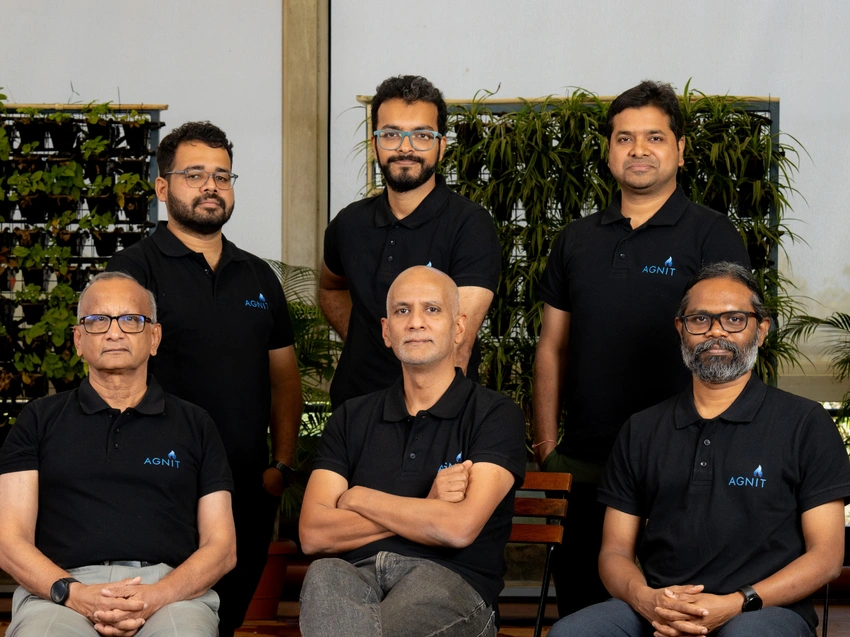
Every time a Bengaluru-based startup announces a fresh multi-million dollar seed extension, the ecosystem cheers. It is a sign of confidence and a signal that India is moving beyond simple software solutions into the complex world of deep tech. Recently, we saw AGNIT Semiconductors secure another $2.6 million to scale their gallium nitride (GaN) components. On paper, it is a massive win. But underneath the celebration lies a persistent question: is this capital building durable growth, or is it forcing founders into a cycle of strategic pivots to stay relevant to investors?
The Pivot: Agility or Pressure?
In the startup world, the word pivot is often used as a polite term for changing direction when the original plan hits a wall. In the case of semiconductors, we see companies shifting focus from electric vehicles to telecom and power electronics because the market tailwinds look stronger there.
This raises a critical point about the nature of seed funding in India. Early stage investors are not just looking for a good idea; they are looking for the fastest route to a Series A. When a startup realizes that one sector is cooling while another is heating up, the pressure to shift gears is immense. While agility is a strength, we must ask if these pivots are always driven by innovation or if they are sometimes a survival tactic to ensure the next check comes through.
Why Deep Tech is Different
Unlike consumer apps, deep tech ventures like those manufacturing GaN wafers require years of research and massive capital before they see a single rupee in profit. Seed funding in this space serves as the ultimate litmus test. If investors stay patient, we could see India become a global hub for hardware. If they demand immediate results, they might accidentally kill the very innovation they are trying to fund.
Building for the Long Haul
To truly spark durable tech growth, the funding environment needs to reward long-term stability over short-term trend hopping. The goal should be to create components that power our future infrastructure, not just products that look good in a pitch deck for six months. As we watch more startups scale their production to thousands of units, the hope is that they are doing so because the tech is ready, not just because the capital demands it. India has the talent to lead the semiconductor race. Now, we just need to ensure our funding models give that talent the room to breathe and grow.
