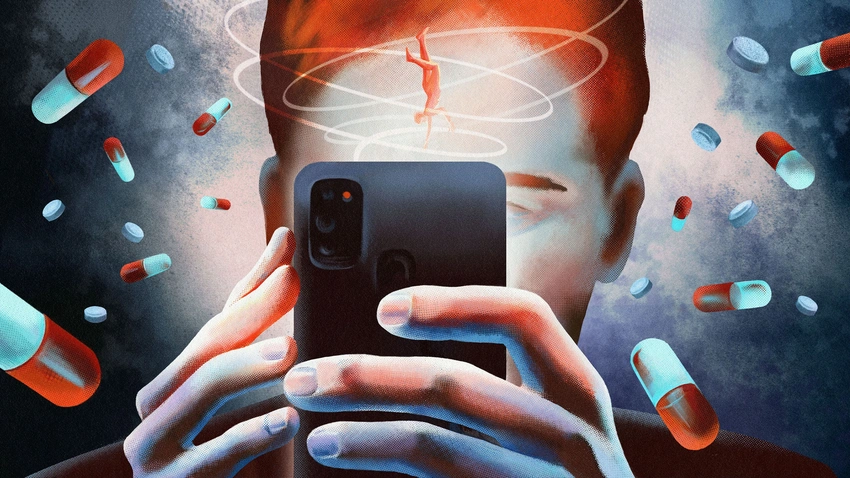

From Dr. Google to Dr. GPT: The New Health Anxiety
We have all been there. You wake up with a strange twitch in your eyelid or a dull ache in your shoulder. Ten years ago, you would head straight to a search engine. Within three clicks, a forum would convince you that your minor muscle strain was actually a sign of a Victorian-era plague. We called it being a hypochondriac. Today, we call it the symptom spiral, and ChatGPT is making it so much worse.
The Illusion of Expertise
The problem with using AI as a medical advisor is that it is too good at talking. Unlike a static list of symptoms on a website, a chatbot responds with confidence and empathy. It feels like you are chatting with a knowledgeable friend who happens to have read every medical textbook ever written. This conversational nature creates a false sense of security. When the AI suggests a list of potential diagnoses, your brain treats them as expert opinions rather than statistical guesses.
Why the Spiral Happens
AI models are designed to be helpful. If you keep asking questions about your symptoms, the AI will keep providing answers. It does not have the context of your physical health or your history. If you mention that you are worried about a specific rare condition, the chatbot might inadvertently reinforce that fear by discussing it in detail. This leads to a feedback loop where your anxiety drives the conversation, and the AI provides the fuel.
Here is why the AI doctor is a bad idea:
- Hallucinations are real. AI can confidently make up medical facts or suggest treatments that do not exist.
- Lack of nuance. A chatbot cannot see your skin tone, hear your heart rate, or feel your pulse.
- The worst case scenario bias. Algorithms often prioritize serious possibilities to be safe, which only spikes your cortisol levels.
Breaking the Cycle
The convenience of AI is hard to ignore. It is free, instant, and available at 3:00 AM when your anxiety is at its peak. However, we need to treat AI like a library, not a clinic. It is a tool for information, not a source of truth for your specific body.
Next time you feel a mystery pain, try to resist the urge to open a chat window. If you must use technology, use it to book an appointment with a human professional. Your mental health will thank you. Stop letting the chatbot tell you that your sneeze is a life-altering event.
