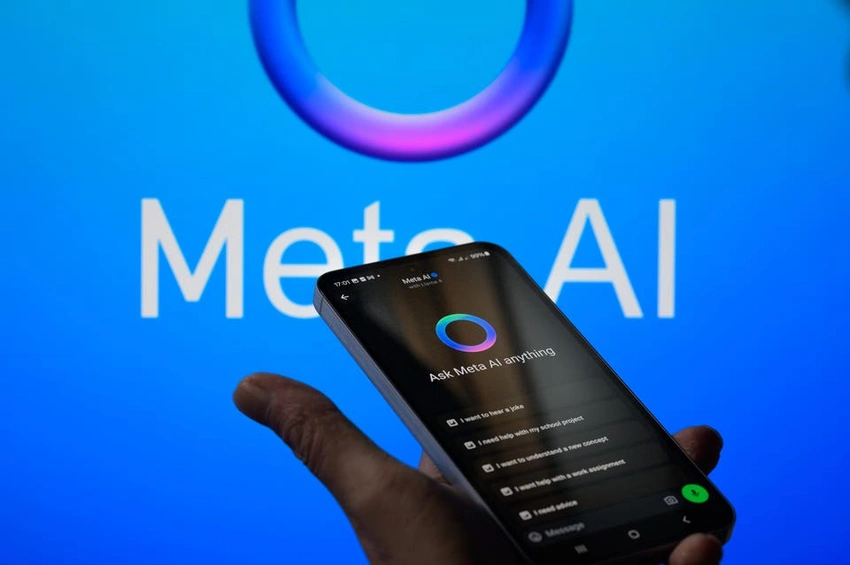

Meta rolled out Muse Spark, its first large language model developed by its ambitious superintelligence team, led by Alexandr Wang, in a bid to outpace rivals like OpenAI and Google. The rollout, happening this week, marks a milestone in Meta's long-running push into advanced AI and signals how the model will soon touch everyday services.
Muse Spark is already powering the Meta AI assistant in the standalone Meta AI app and on the desktop site, with plans to expand across Facebook, Instagram, WhatsApp, and Messenger in the coming weeks. Meta also hinted that Muse Spark will power different experiences beyond messaging, including features in Ray-Ban Meta AI glasses and its new Vibes AI video tool—currently fueled by third-party models, but expected to shift toward Muse Spark over time.
A distinctive part of the rollout is Meta’s move to monetize AI capabilities. Access to Muse Spark’s underlying technology will start with a private API preview for select partners, with a broader, paid API planned for a later date. This approach mirrors Meta’s broader strategy: test with a limited group to demonstrate value before inviting wider developer participation and revenue opportunities.
The launch underscores Meta’s bold, and costly, push into artificial intelligence. Industry observers describe Muse Spark as the centerpiece of Meta’s AI ambitions, aimed at transforming how users engage with its social platforms. In parallel, Meta’s competitors continue racing to deploy cutting-edge AI across products, services, and advertising, intensifying what many see as a multi-year AI arms race.
Ultimately, Muse Spark represents more than a single product debut. It signals Meta’s intent to weave advanced AI into the fabric of its services—enhancing user experiences, enabling new developer opportunities, and sustaining growth in a rapidly evolving technology landscape.
