
The Megaphone Dilemma: When Protest Chants Cross the Line
There is a specific kind of energy you only find at a protest. It is raw, it is loud, and it is usually fueled by a deep sense of injustice. But lately, the air in London has been thick with something more than just political disagreement. We are seeing a surge in rhetoric that forces us to ask a difficult question: where does the right to speak end and the crime of incitement begin?
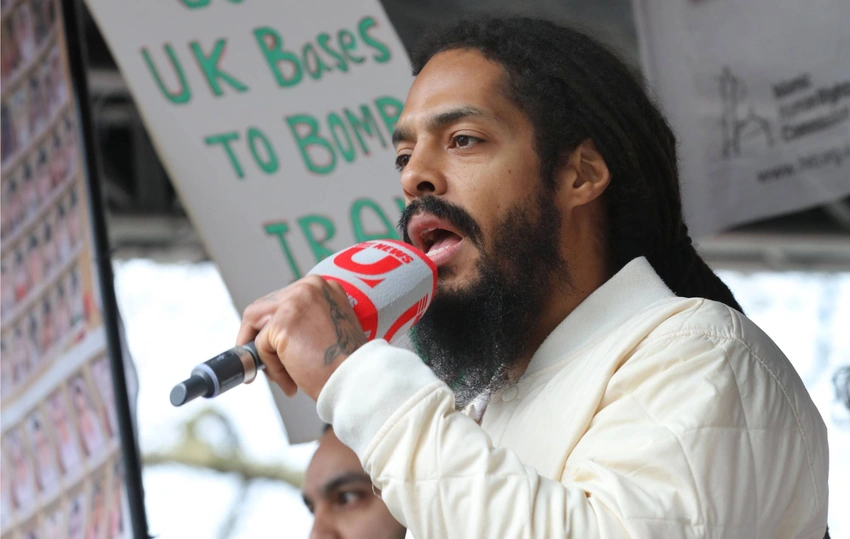
During the recent Al Quds Day events, the crowd was led in chants of death to the IDF. It was not a whispered sentiment. It was shouted through a microphone by prominent punk-rap figures and echoed by hundreds. This is not the first time this specific phrase has caused a stir. From the stages of major festivals like Glastonbury to the streets of central London, the demand for the death of a military force has become a recurring soundtrack to modern activism.
The Legal Grey Area
From a legal standpoint, the situation is incredibly messy. The Metropolitan Police have opened investigations, yet they also acknowledge a frustrating reality. In previous instances, the Crown Prosecution Service determined there was insufficient evidence to move forward with a criminal case. This creates a confusing vacuum. If the law says these words do not quite hit the threshold of criminal incitement, does that mean they are acceptable for public discourse?
Impact Over Intent
We often focus on the intent of the speaker. Perhaps the person behind the microphone sees it as a metaphor for the end of an institution or a political regime. However, we cannot ignore the actual impact on the ground. For London’s Jewish communities, hearing crowds chant for death is not just political theater. It feels like a direct threat to their safety and a breakdown of social cohesion in a city that prides itself on diversity.
Drawing the Line
Free speech is a pillar of our society, but it was never meant to be a blank check for vitriol. If we allow chants that explicitly call for death to become a standard part of our public squares, we are shifting the boundaries of what is considered civil.
The core conflict remains:
- Should we prioritize the absolute right to protest, regardless of the language used?
- Or should we prioritize the protection of communities from dehumanizing and violent rhetoric?
As we navigate these tense times, we need to decide if we want our protests to be about building a better world or simply screaming for the destruction of another. The line is thinning, and we need to decide where we stand before it disappears entirely.
