

Being a fellow Gen Z, who loves to analyse contemporary media and cultural politics, I’ve long been interested in how popular cinema intersects with the ethics of representation, particularly when it comes to war, power, and morality. The newly released Superman film, directed by James Gunn, presents a compelling case for how superhero narratives can serve as vessels for anti-war sentiment, especially in ways that resonate deeply with Gen Z viewers. The film’s political overtones, whether intentional or not, have opened up a generational conversation on justice, state violence, morality, and power.
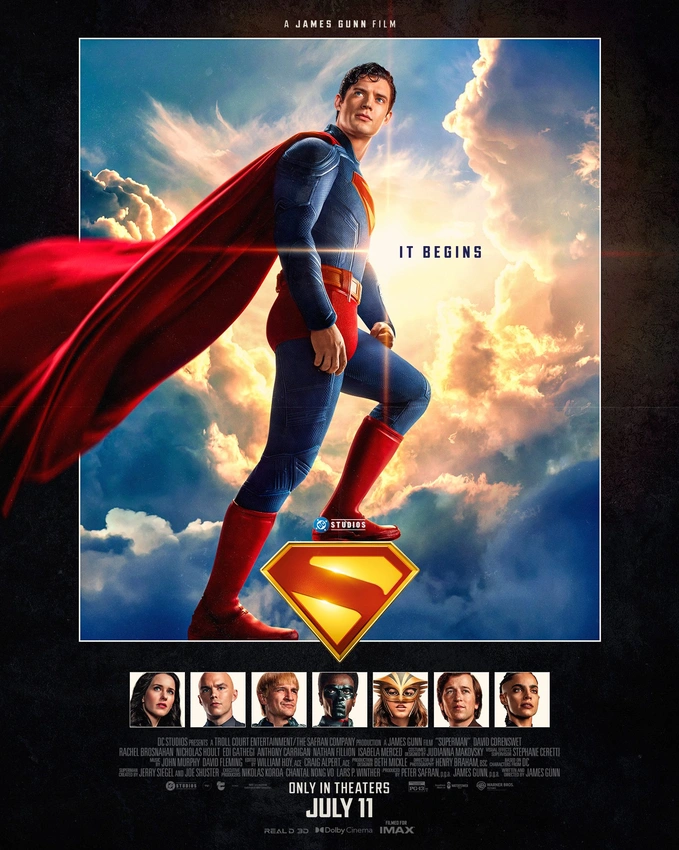 The film portrays a fictional war between the nations of Jarhanpur and Boravia, with the U.S. acting as a powerful backer of the aggressors, and Superman intervening to stop the conflict. For many younger viewers, this narrative was interpreted as a clear anti-war message, especially because Superman chooses to prioritise the protection of innocent civilians over the interests of powerful institutions.
The Times of India article notes,
“To many critics and viewers, the imagery is unmistakable: Boravia resembles Israel; Jarhanpur, Palestine. The moral framing of the conflict—military might versus civilian suffering—has ignited a firestorm online, especially as the film arrives amid ongoing real-world violence in Gaza.”
Although Gunn has publicly denied any direct allegory, the timing and structure of the narrative have made comparisons inevitable.
 Hasan Piker, the left-wing political commentator and a beloved Twitch streamer, posted a YouTube video explaining how “Superman” critiques Israel. He described the movie as
“two hours and like 10 minutes of fuck Israel the entire time” and claimed anyone involved with the film would be “lying” if they told you it wasn’t an “analog for Israel and Palestine.”
Media coverage has documented how these reactions have unfolded across various social media platforms. Viewers have praised the film for portraying a version of Superman who refuses to be co-opted by national or institutional agendas. Instead, he is depicted as acting based on a clear moral compass that prioritises human life above all else. For many in Gen Z, who have grown up amidst constant news of war, displacement, and political dysfunction due to overexposure through social media and have circulated cries of help from the people of Gaza for the last 20 months, this portrayal resonated with their broader desire for ethical clarity in the stories they consume.
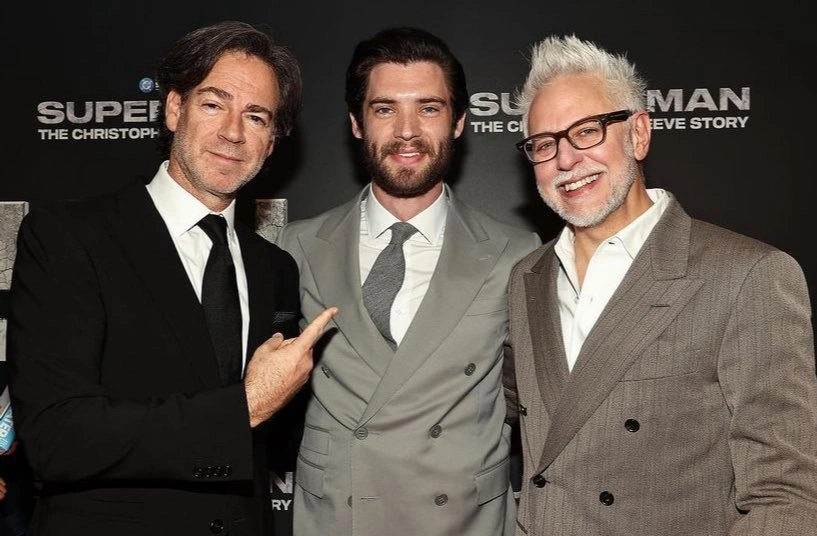 At the same time, the film has also been met with criticism, particularly from right-wing commentators such as Ben Shapiro, who argue that the narrative carries an implicit political message and “does not match up to the facts.” Moreover, others have viewed the depiction of the fictional conflict and Superman’s intervention as a one-sided critique of certain real-world alliances. However, Gunn and others involved in the film have insisted that the story was conceived well before recent global events and was not designed as a direct commentary on the Palestinian genocide.
At the L.A. premiere, the director was defended by his brother, Sean, who, in a conversation with Variety, stated,
“Yes, Superman is an immigrant, and yes, the people that we support in this country are immigrants, and if you don’t like that, you’re not American. People who say no to immigrants are against the American way.”
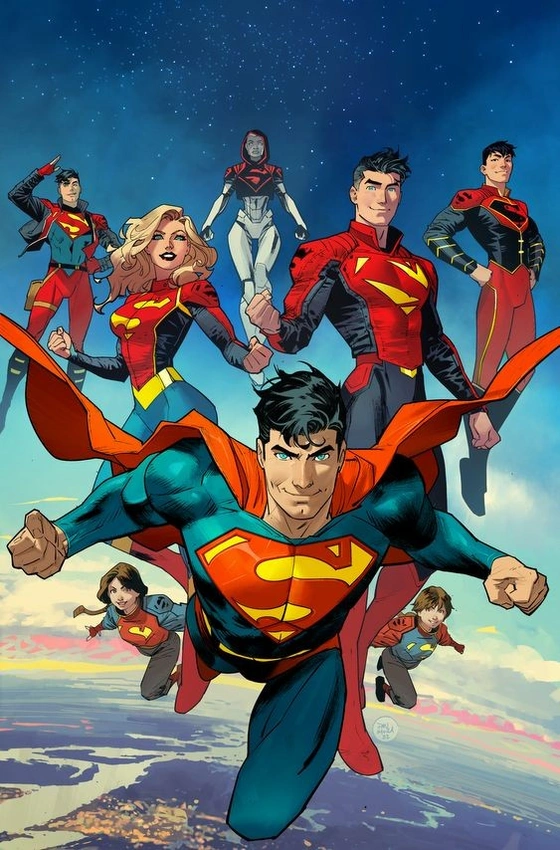 What makes the response of Gen Z particularly notable is our willingness to engage with complex political themes through the lens of mainstream entertainment. For many, Superman offers not just escapism but an ethical stance, one that challenges the conventional alignment of superheroes with state power and instead centres on humanitarian action. This shift in narrative priorities mirrors a broader cultural movement among younger generations toward intersectional awareness and global solidarity. Whether or not the film intended to make a political statement, its reception reveals that today’s youth engage with pop culture as a space for critical reflection and moral inquiry.
#SupermanFilm #GenZ #WarEthics #CulturalPolitics #JamesGunn #FreePalestine #AntiWar #MovieReview #DavidCorenswet
