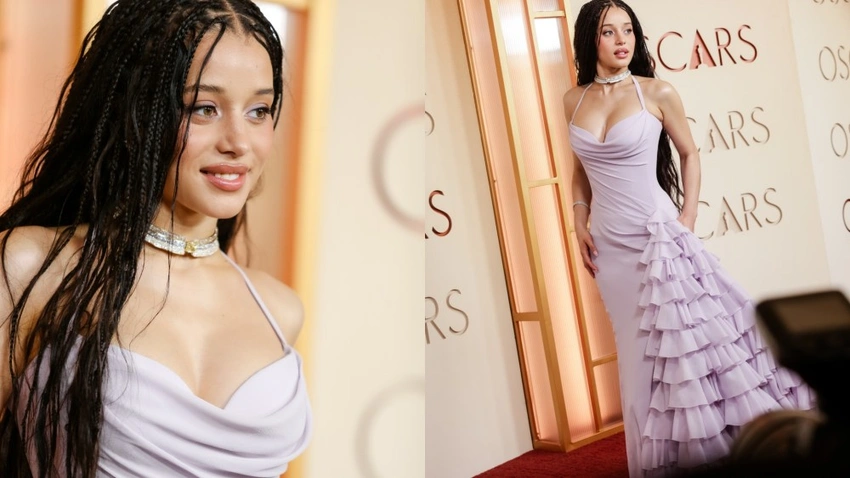

The Oscars have always been a battleground for attention, but lately, the red carpet feels like it is carrying a heavier weight. When Chase Infiniti stepped out for the 2026 Oscars in that voluminous, lilac Louis Vuitton gown, it was not just a fashion moment. It was a statement about presence. But as we scroll through the endless photos of ruffles and De Beers diamonds, we have to ask: is this genuine empowerment for marginalized groups, or is it just another gear in the celebrity spectacle machine?
The Magic of Visibility
For a breakout star like Infiniti, being draped in high fashion is about more than looking good. It is about claiming space. When stylists like Wayman Bannerman and Micah McDonald curate these looks, they are essentially architecting a new visual language for who belongs at the top of the Hollywood pyramid. Seeing a young, vibrant actress wearing natural braids and custom luxury designs on the world’s biggest stage sends a message to every young person who rarely sees themselves reflected in these spaces. This kind of visibility provides a blueprint for success and signals that the gates of high fashion are finally swinging open.
The Trap of the Spectacle
On the flip side, we cannot ignore the commercial engine driving these moments. Does a lilac dress change the systemic issues within the industry, or does it just sell more perfume and handbags? There is a risk that the red carpet becomes a distraction. We celebrate the ruffle and the train, but do we celebrate the actual progress behind the scenes? When we focus solely on the exterior, we might be fueling a spectacle that prioritizes brand ambassadors over brand-new opportunities for equity. If the conversation stops at the label, the empowerment is only skin deep.
A New Era of Influence
Perhaps the answer lies in the middle. Fashion is a tool, and like any tool, its power depends on who is holding it. Infiniti’s choice to lean into a feminine, effervescent aesthetic shows that you do not have to compromise your identity to fit the old Oscar mold. By bringing youthful energy and natural hair to a formal setting, she challenges outdated standards of beauty.
In the end, these bold looks are more than just fabric. They are a way to start a conversation. As long as the fashion serves the person and not just the brand, the red carpet will remain a potent stage for cultural shifts.
