
It is late. The rain is sliding down the high windows, distorting the streetlights into blurry halos. My ballet bun is falling apart. Bobby pins are digging into my scalp, and my feet are throbbing. This is my favorite time of day. The transition between the harsh fluorescent glare of the rehearsal room and the silver glow of my television screen at home is sacred to me. I wrap my swollen toes in soft wool socks. I make a cup of chamomile tea. Then, I let classic cinema wash over me.
If you are a dancer, you know that movement does not stop when the music fades. It lingers in our muscle memory. It echoes in the way we walk down the street. Black and white movies understand this completely. The directors painted with light and shadow, choreographing every camera pan like a delicate adagio.
Here are five vintage films I find myself returning to whenever my spirit needs stretching.
1. Waterloo Bridge (1940)
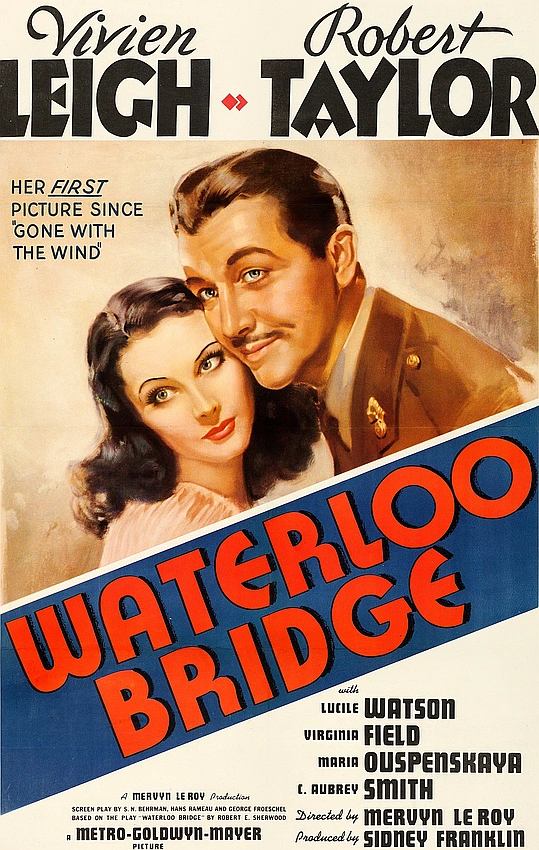
Before Vivien Leigh was Scarlett O'Hara, she was Myra, a young ballerina in London. The fog in this movie feels so thick you could touch it. Whenever I watch Myra prepare for the stage, I recognize the quiet, nervous energy in her eyes. The ballet sequences are lovely, but it is the tragedy of her movement outside the theater that haunts me. She drifts through the shadows like a ghost. It captures the fragile reality of being an artist during turbulent times. The shadows in the alleyways seem to swallow her whole, mirroring the internal collapse of her dreams. Watch this when you are feeling deeply romantic and a little heartbroken.
2. Limelight (1952)
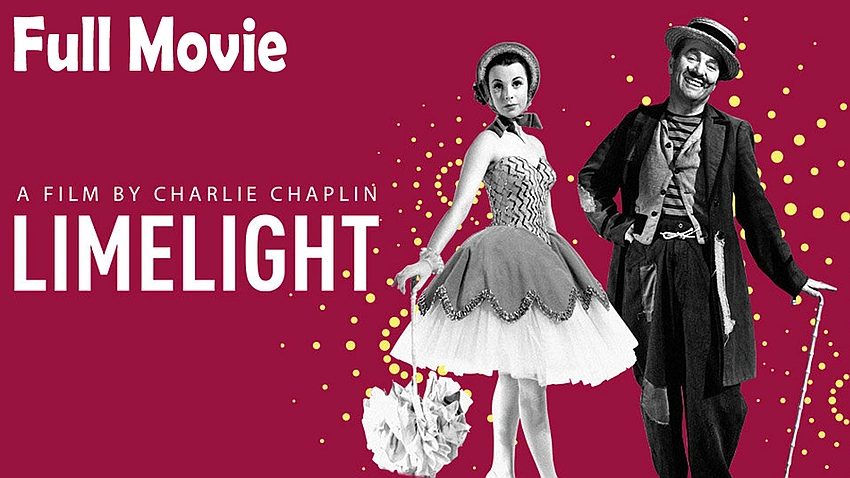
Charlie Chaplin wrote this love letter to the fading days of vaudeville. It tells the story of an aging clown and a young, paralyzed ballerina named Thereza. There is a scene where she dances on an empty stage. The lighting is stripped back. It is just her, the music, and the raw vulnerability of a body rediscovering its strength. I always cry during this part. It reminds me why we endure the blisters and the aching joints. We dance because we have to.
3. Top Hat (1935)
Sometimes the studio drains every ounce of joy from your bones. When that happens, I turn to Fred Astaire and Ginger Rogers. There is a specific magic to their duet in the rain pavilion. The tap routines are sharp, crisp, and completely effortless. Ginger floats in a dress made of ostrich feathers. Every time she spins, the feathers blur into a soft white cloud. I watch the way her feet barely seem to touch the floor. It looks like she is floating on a breath of air. It is pure escapism. It reminds me that dance is allowed to be fun.
4. Grand Hotel (1932)
Greta Garbo plays Grusinskaya, a Russian prima ballerina who is terrified of growing old. She wears pearls and heavy silk robes. She dramatically refuses to perform. We have all had those days where the mirror feels like an enemy. Garbo moves through her hotel suite with such theatrical despair. Her sweeping arm gestures are a masterclass in port de bras. Pay attention to how she uses her hands to convey grief. It is breathtaking.
5. The Seventh Seal (1957)
This might seem like an unusual choice. It is a Swedish film about a knight playing chess with Death. But the final scene is perhaps the most famous dance in cinematic history. The characters hold hands and perform the Dance of Death against a stormy, gray horizon. The silhouette of their bodies moving across the hillside is incredibly striking. It teaches you everything you need to know about spacing, silhouette, and the absolute finality of movement.
The next time your body is too tired to practice, let your eyes do the dancing. Turn off the lights. Wrap yourself in a thick blanket. Make another cup of tea. Let the flicker of the film reel remind you why you fell in love with art in the first place.
