
Is Your Brain Just a Proxy for Your Smartphone?
Think back to the last time you actually memorized a phone number. For most of us, that memory is probably a relic from a decade ago. Today, our brains feel like empty vessels while our cloud storage is bursting at the seams. We have entered the era of digital amnesia, a phenomenon where we collectively decide that if it can be Googled, it is simply not worth remembering.
The Rise of the External Hard Drive Brain
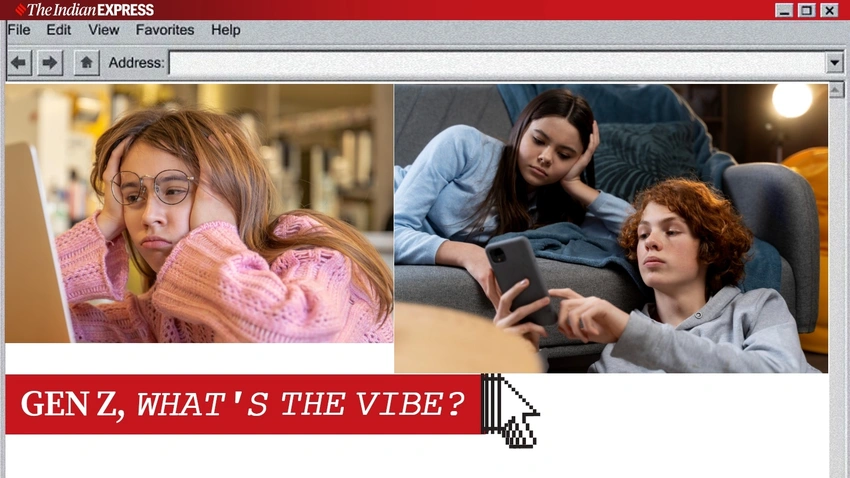
Gen Z is often at the forefront of this shift. They are not just using technology; they are outsourcing their basic cognitive functions to it. Why bother remembering a historical date, a complex recipe, or even a friend's birthday when a five second search or a calendar alert can handle it? This is not just about convenience. It is a fundamental change in how humans process information. We are moving away from deep knowledge toward navigation skills. We do not necessarily know the facts anymore, but we are absolute experts at finding where those facts live.
Are We Smarter or Just Better Connected?
There is a compelling argument that this makes us more efficient. By offloading the boring stuff like dates and directions to our devices, we theoretically free up brain space for creative thinking and complex problem solving. However, is that actually happening?
Psychologists often point to the Google Effect. When we know information is easily accessible online, our brains are significantly less likely to store it internally. The risk here is that we become shallow thinkers. If your internal storage is empty, you lack the foundational blocks needed to make spontaneous connections or have deep insights. You cannot really think outside the box if the box is empty.
The Cost of the Cloud
Living entirely in the cloud comes with a silent price tag. Relying on digital crutches can lead to several issues:
- Reduced focus: We are constantly switching between apps just to find basic info.
- Loss of basic skills: Navigating without a GPS or doing mental math feels like a lost art.
- Memory atrophy: Like any muscle, if you do not use your memory, it starts to weaken.
We are not suggesting you should throw away your phone and start carrying a physical encyclopedia. However, we should probably stop treating our brains as mere transit points for data. Having the world’s information at your fingertips is a superpower, but only if you have the mental capacity to do something meaningful with it.
