
You follow your routine, your skin feels stable, and then suddenly, right before a big event, a breakout appears. It feels predictable and frustrating. This is not bad luck. It is biology. Your skin responds to internal stress signals in ways that directly affect oil production, inflammation, and healing. Even if you are using the right products, ignoring stress-related triggers can undo your progress. Choosing targeted solutions like an 🔗open pores serum 🔗 may help refine texture, but understanding why these breakouts happen is what truly gives you control.
What Are Stress Breakouts?
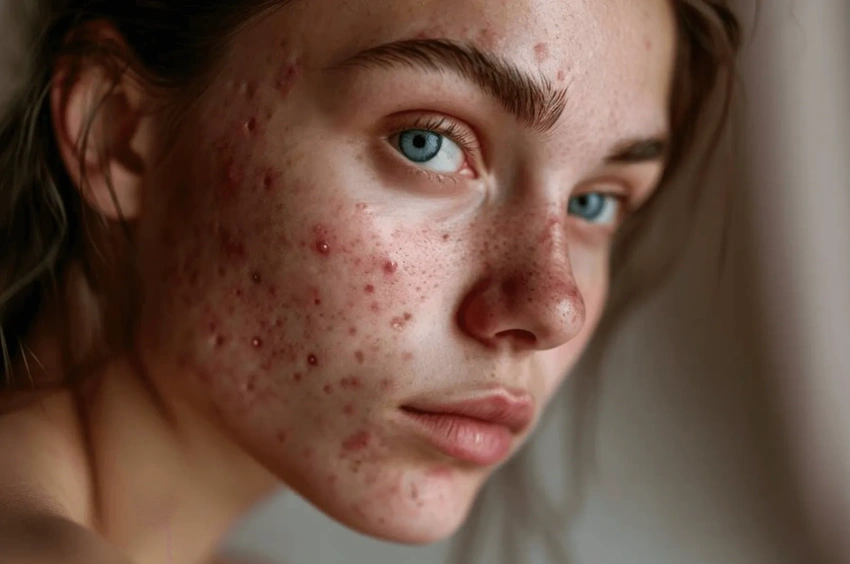
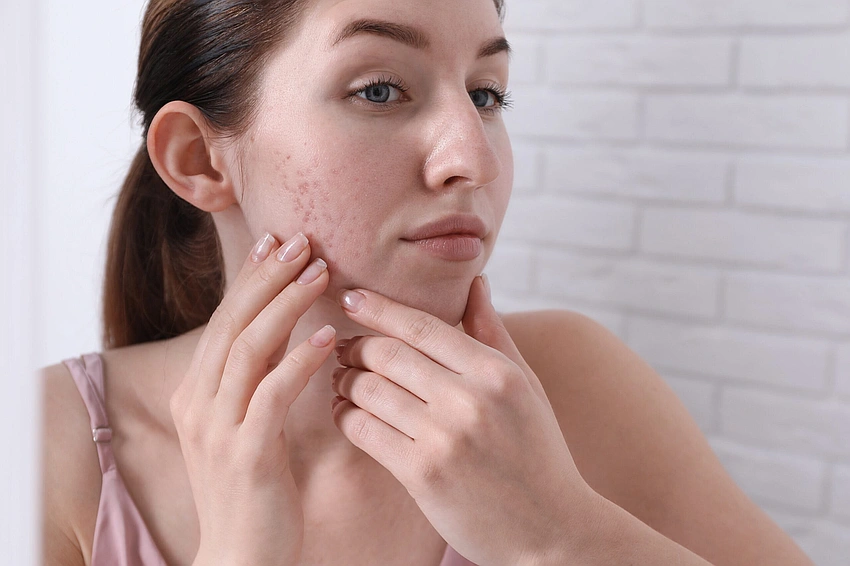
Stress breakouts are acne flare-ups triggered by emotional or physical stress. Unlike regular acne, they tend to appear suddenly and often in familiar areas like the jawline, chin, or cheeks.
These breakouts are linked to hormonal changes, particularly an increase in cortisol, the body’s primary stress hormone.
How Stress Affects Your Skin
When you are stressed, your body releases cortisol. This hormone signals your sebaceous glands to produce more oil.
This leads to:
- Increased sebum production
- Clogged pores
- Faster bacterial growth
- Heightened inflammation
The result is the perfect environment for acne to develop quickly.
Why Timing Makes It Worse
Stress breakouts often appear right before important events because stress levels peak during these times. Whether it is a deadline, a social gathering, or travel, your body reacts even if you do not consciously feel overwhelmed.
This delayed response means your skin starts reacting days before the breakout becomes visible.
The Inflammation Connection
Stress does not just increase oil. It also increases inflammation throughout the body. This makes existing acne worse and slows down healing.
Inflamed skin is more likely to:
- Develop painful breakouts
- Leave behind marks
- React negatively to products
Managing inflammation is key to controlling stress-related acne.
What Research Says About Stress and Acne
Scientific studies confirm the link between stress and acne severity. According to research published in Acta Dermato-Venereologica, higher stress levels are associated with increased acne flare-ups.
This shows that emotional stress has a direct physiological impact on your skin.
Why Your Usual Routine Stops Working
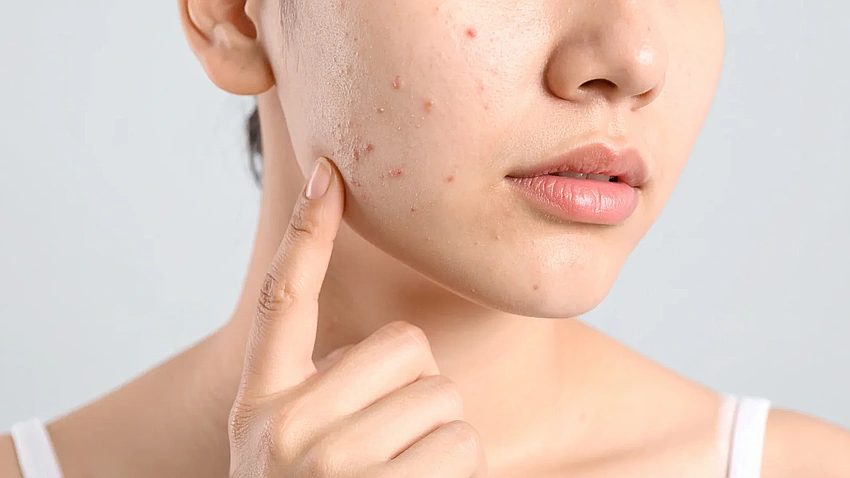
During high-stress periods, your skin behaves differently. Products that normally work may feel ineffective.
This happens because:
- Oil production increases beyond normal levels
- Skin becomes more sensitive
- Healing slows down
Your routine needs to adapt to these temporary changes.
How to Adjust Your Routine During Stress
Instead of overloading your skin with products, focus on calming and balancing it.
Key adjustments include:
- Using gentle cleansers
- Avoiding harsh exfoliation
- Adding soothing ingredients like cica or niacinamide
- Maintaining consistent hydration
This helps reduce irritation while keeping breakouts under control.
The Role of Quick Fix Solutions
When a breakout appears right before an event, fast-acting solutions can help reduce its visibility.
Spot treatments and patches can:
- Protect the pimple from external irritation
- Absorb excess fluid
- Reduce inflammation overnight
These are especially useful when time is limited.
Sleep: The Most Underrated Factor
Stress often disrupts sleep, which further affects your skin. Poor sleep increases cortisol levels and reduces your skin’s ability to repair itself.
Lack of sleep can lead to:
- Duller skin
- Slower healing
- Increased breakouts
Improving sleep quality is one of the simplest ways to support your skin.
Why You Should Not Panic Treat
When a breakout appears, the instinct is to use multiple strong treatments at once. This usually makes things worse.
Over-treating can:
- Damage your skin barrier
- Increase redness and irritation
- Prolong the breakout
A calm, targeted approach is far more effective.
Preventing Pre-Event Breakouts
While you cannot eliminate stress completely, you can reduce its impact on your skin.
Helpful habits include:
- Maintaining a consistent routine
- Staying hydrated
- Avoiding last-minute product changes
- Prioritizing sleep
Preparation is key to minimizing unexpected breakouts.
Long-Term Stress Management for Skin Health
Managing stress is not just good for your mind. It directly benefits your skin.
Consider:
- Regular physical activity
- Mindfulness or relaxation techniques
- Balanced nutrition
These habits improve overall skin resilience.
Conclusion
Stress breakouts are not random. They are your body’s response to internal pressure. Understanding this connection helps you approach acne more strategically.
Instead of reacting with aggressive treatments, focus on calming your skin and supporting its natural balance. Even solutions like an invisible pimple patch 🔗 can make a noticeable difference when used at the right time within a balanced routine.
Call to Action
If you want to stay prepared for unexpected breakouts and build a routine that adapts to your skin’s needs, explore effective skincare solutions at World of California 🔗 and take control of your skin with confidence.
FAQs
1. Can stress really cause acne?
Yes. Stress increases cortisol levels, which boosts oil production and triggers breakouts.
2. Why do I get acne before important events?
Stress levels tend to rise before events, leading to hormonal changes that affect your skin.
3. Should I change my skincare routine during stress?
Slight adjustments to focus on gentle care and hydration can help manage breakouts.
4. Do spot treatments work for stress acne?
Yes. They can reduce inflammation and speed up healing when used correctly.
5. How can I prevent stress breakouts?
Managing stress, maintaining a consistent routine, and getting enough sleep are key.
