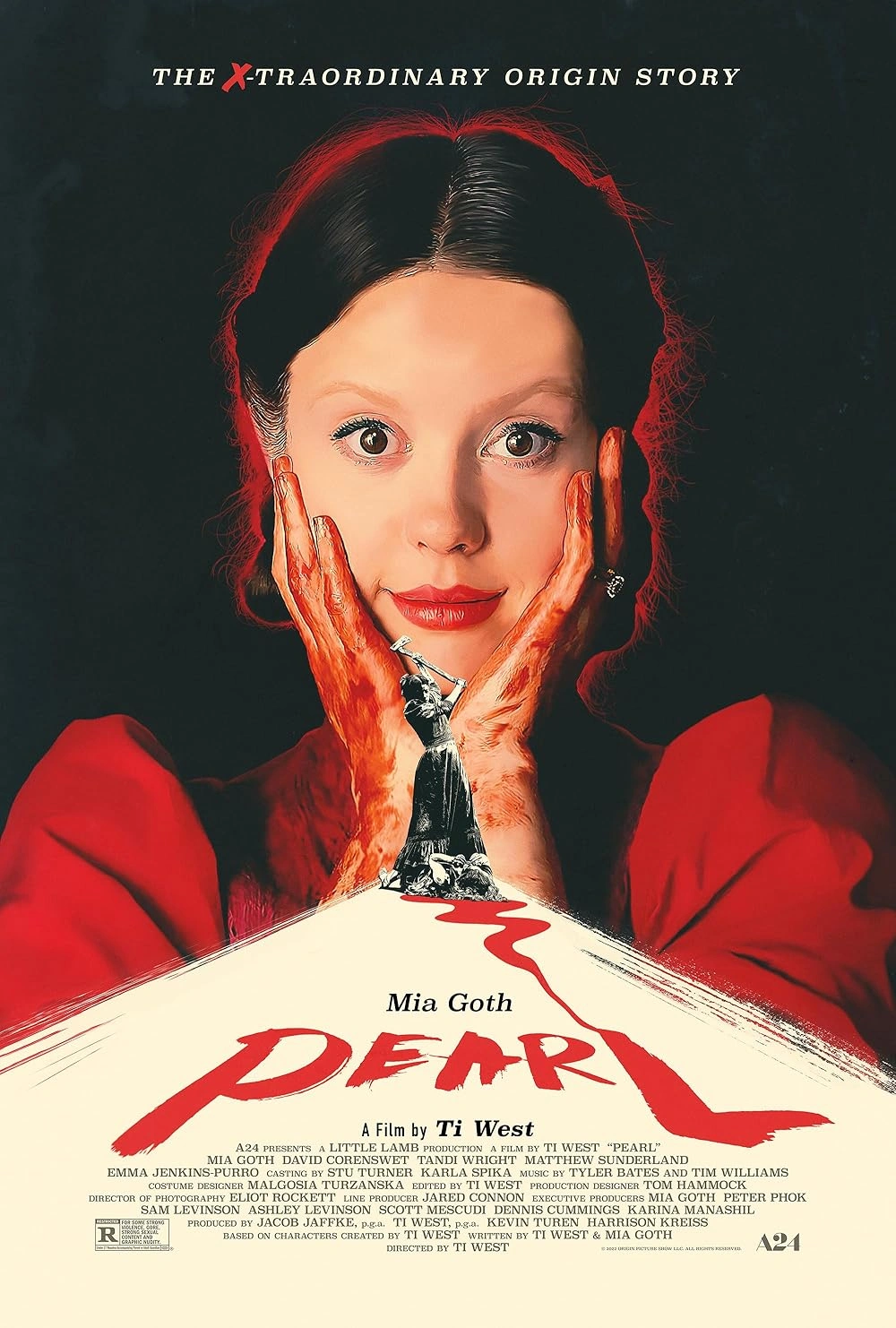

When Pearl premiered in 2022, it quickly distinguished itself not just as a horror film, but as a strange sort of psycho-pigmented character study. Directed by Ti West and co-written with its lead, Mia Goth, Pearl functions both as a prequel to the 1970s-set slasher X and as its own vibrant, unsettling meditation on longing, ambition and the violent pain that can dwell beneath genteel surfaces.
A World of Colour and Constraint
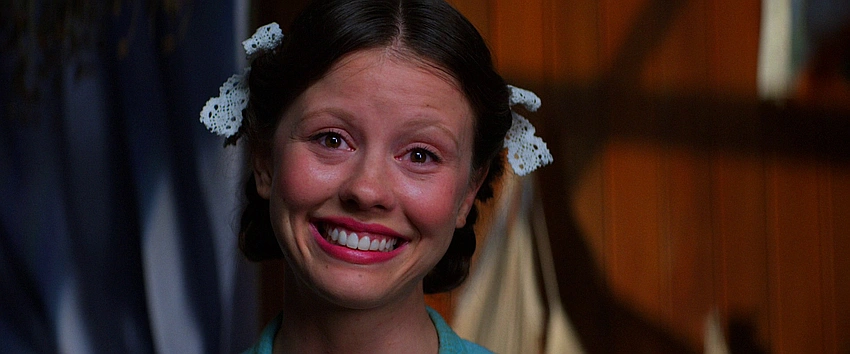
Set in rural Texas in 1918, Pearl begins in the starkly liminal territory of pandemic and war. Pearl lives on a farm with her ageing, physically compromised father and domineering mother while her husband Howard fights overseas in the First World War. From the outset, the film is a collision of vibrancy and confinement: lush, highly stylised cinematography evokes the colours of old Hollywood musicals even as its protagonist’s world feels claustrophobic and small.
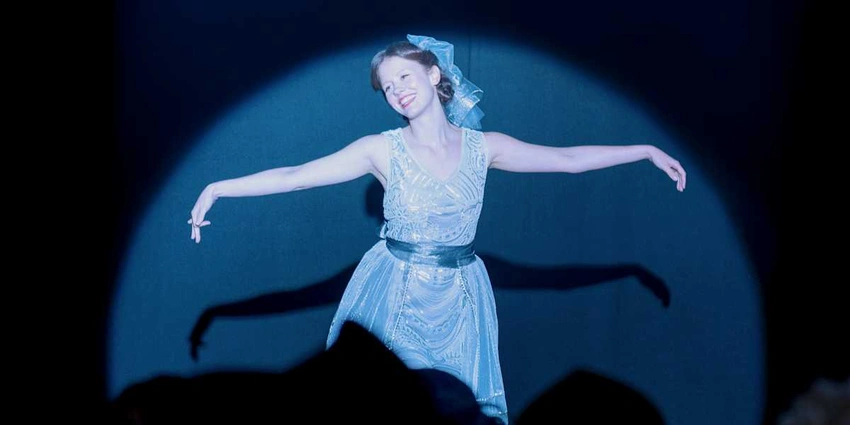
This contrast between technicolour surfaces and emotional repression is West’s decision to dress the pastoral setting in saturated reds, blues and golds which recalls the technicolour dreams of classic cinema even as it emphasises how desperately Pearl yearns for the glamour she sees on screen. The film’s palette thus becomes an externalisation of Pearl’s psyche: an infected dream of spectacle and escape, rather than pastoral calm.
Performance as Portal
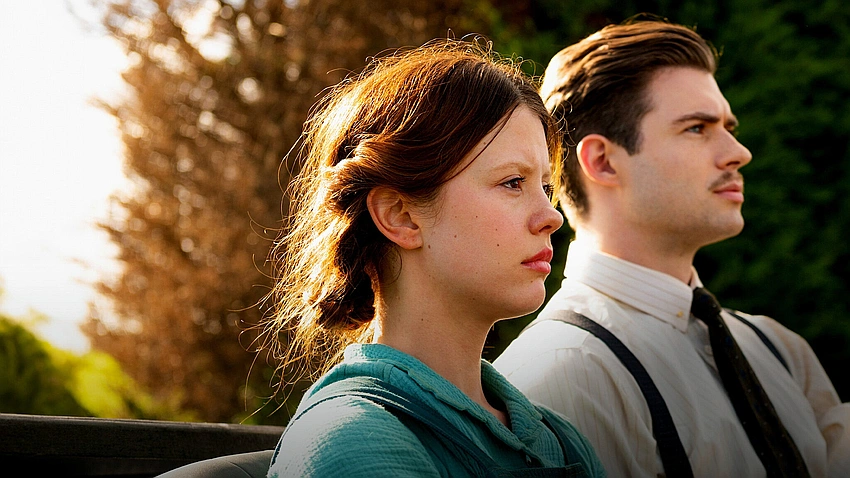
At the centre of Pearl is Goth’s electrifying turn in the title role. Critics widely praised her performance for its range, charisma and raw intensity. The camera often lingers on her face, capturing shifts in expression that veer from naive sweetness to terrifying self-assertion. In this respect, the film becomes less a conventional slasher and more a tragic study in psychological unraveling.
It’s worth noting that the character’s ambitions and frustrations are not simply plot devices. They are anchored in a broader narrative of repression familial, social and gendered. As a woman in the early twentieth century, Pearl lacks many avenues for self-expression beyond domestic labour and her imagination. This situation invites a reading of the film as an exploration of how constrained desire may mutate into something grotesque and violent.
Horror in the Quiet Moments
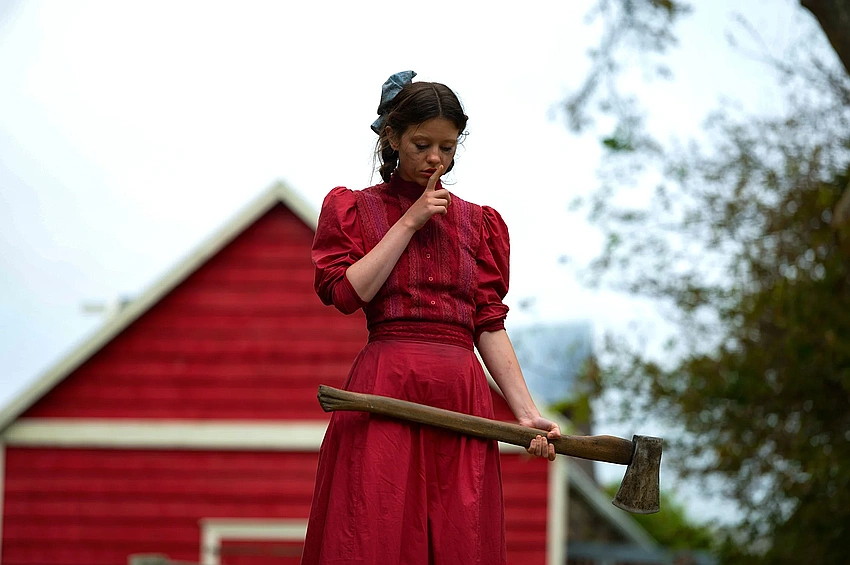
Unlike jump-scare driven horror, Pearl builds its dread through slow escalation. The early scenes of Pearl attempting to dance, her interactions with an itinerant projectionist are suffused with both dark humour and existential frustration. Her violent acts begin small and animalistic, but they grow in scale and intensity as her psyche fractures under the weight of rejection and confinement.
This measured approach to horror situates Pearl closer to psychodrama than to the slasher tradition from which it emerged. There are set pieces of gore, yes, but the true horror arises from watching a character’s dreams shatter in real time. The film’s pacing refuses the quick thrills of conventional genre entries and instead invites the viewer to sit with Pearl’s disappointments and delusions.

Myth and Ambition
As a narrative, Pearl extends beyond the personal. It engages with one of cinema’s oldest myths: that of stardom as salvation. Pearl’s repeated invocation of the desire to be seen whether through dance or through her imagined future in the movies resonates with cultural narratives of fame that are both seductive and merciless. In that sense, the film is quietly subversive: it exposes how the promise of visibility can be both a source of hope and a catalyst for psychological disintegration.
This thematic layer is part of what elevates Pearl beyond simple horror. Even as critics differed on the film’s necessity as a prequel to X, they concurred that its vividness and Goth’s performance make it far more than a conventional genre exercise.The result is a film that both embraces and interrogates the folklore of cinematic stardom a folklore in which bright lights may cast the deepest shadows.
Cultural Echoes and Critical Reception
Upon its release, Pearl was met with substantial critical acclaim. Aggregators reported high approval ratings, and many reviewers underscored the film’s technical confidence and narrative ambition. Some commentators situate Pearl within a broader shift toward horror films that prioritise character development and psychological depth over cheap shocks.
Moreover, discussion of the film has spilled into wider pop culture, with moments such as Pearl’s impassioned declarations of stardom becoming something of an internet meme a sign of how the film’s emotional extremes have resonated with contemporary audiences.
Beyond the Farm
To watch Pearl is to confront a paradox: a film that is visually luminous yet thematically dark, that turns a familiar horror trope of the isolated farm with simmering tensions into a canvas for exploring desire, rejection and the mythos of celebrity. It is this contradiction that gives the film its enduring texture. Rather than presenting terror as a series of jump scares, Pearl asks us to consider how terror can grow out of unfulfilled longing, and how the yearning for transformation can metastasise into something monstrous.
Pearl lingers. Its colours fade into memory with an unsettling insistence, echoing long after the credits roll.
#PearlMovie #MiaGoth #TiWest #HorrorMovies #XPrequel #MovieReview #FilmReview
