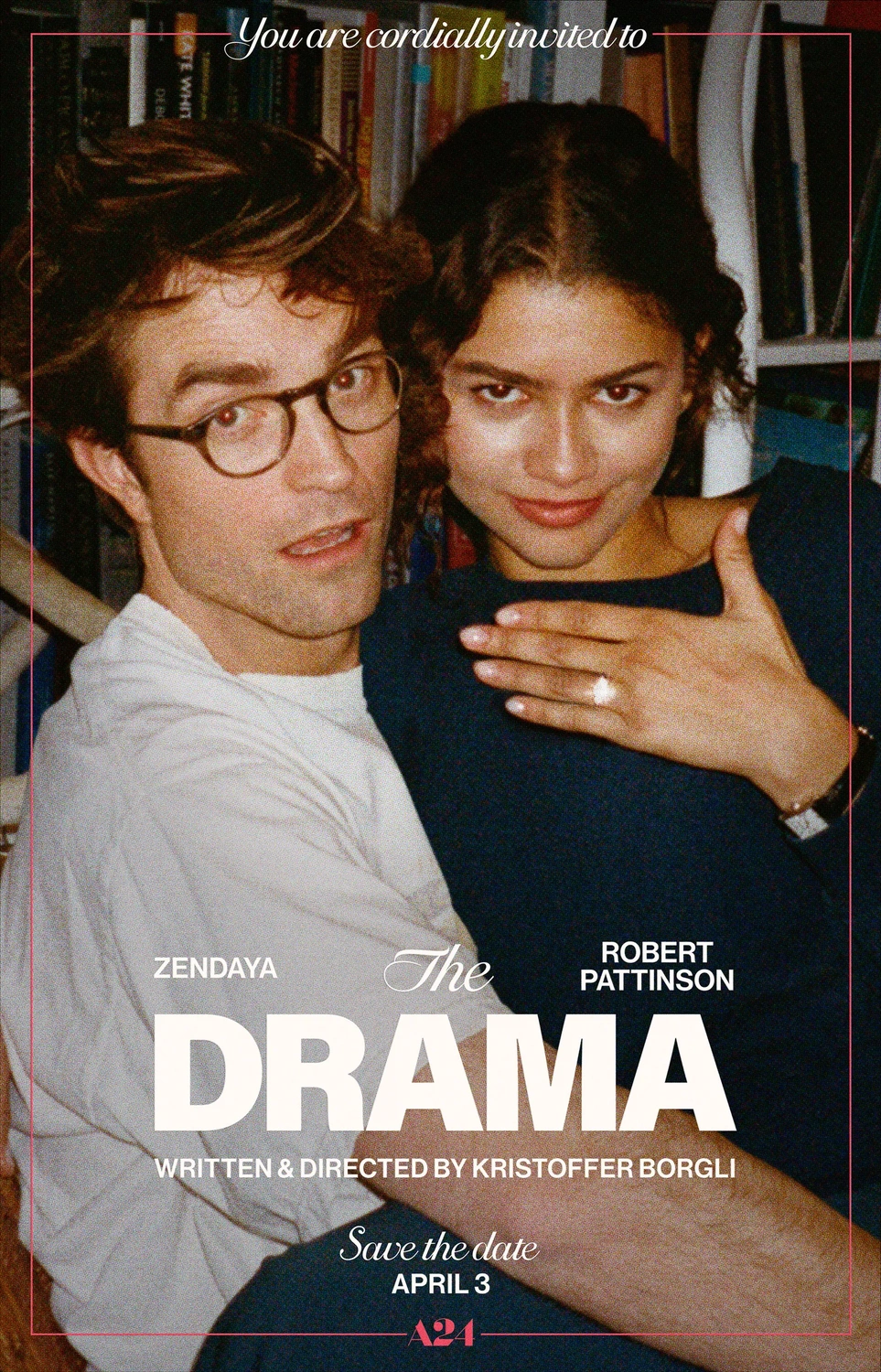

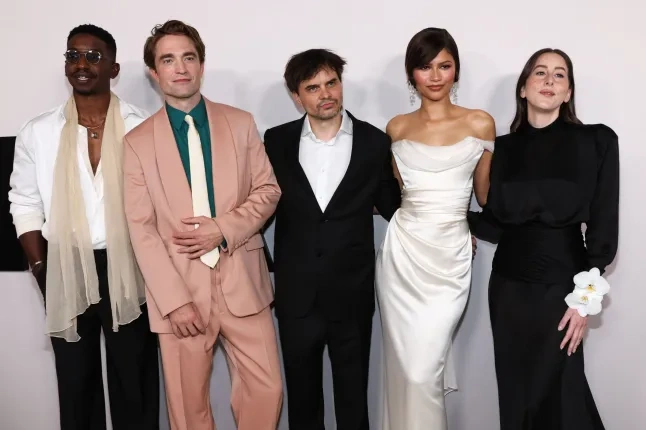
There is something immediately deceptive about The Drama (2026), directed by Kristoffer Borgli. It arrives packaged as a romantic comedy, led by two of the most recognisable contemporary stars, Zendaya and Robert Pattinson, yet quickly reveals itself to be something far more unsettling. The premise is deceptively simple: an engaged couple, Emma and Charlie, find their relationship destabilised during the days leading up to their wedding after a shocking confession.
What unfolds is not merely a relationship drama but a study of the fragility of intimacy when confronted with the unknowable past. Borgli’s cinema has always been interested in discomfort, and here, discomfort becomes the narrative engine itself.

The Premise: When Truth Becomes Catastrophe
At the centre of the film lies a single narrative rupture. During a social gathering, Emma reveals that she once planned a school shooting as a teenager but never carried it out. This revelation is not treated as spectacle but as a destabilising force that infects every subsequent interaction.
The film’s structural brilliance lies in how little “action” follows this confession. Instead, the narrative lingers in the aftermath: the glances, the silences, the subtle recalibrations of trust. Charlie, previously secure in the romantic ideal, begins to question whether love can survive knowledge.
In literary terms, the film echoes the confessional mode, but with a distinctly modern anxiety. Truth is no longer redemptive. It is corrosive. The question is not whether Emma has changed, but whether change can ever be proven.
Genre as Misdirection
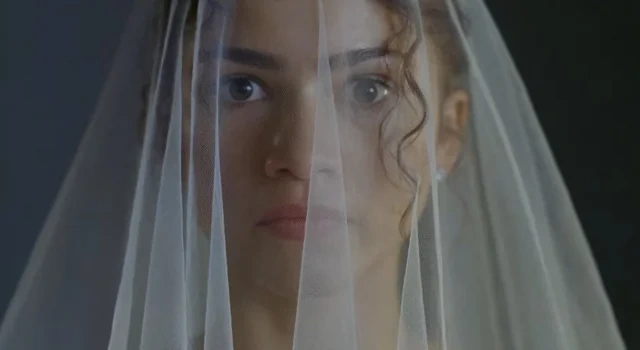
Borgli deliberately destabilises genre expectations. The film begins with the rhythms of a romantic comedy, the meet cute, the awkward charm, the promise of a wedding. Yet this familiarity is gradually hollowed out. Critics have noted how the film pivots from romcom to psychological unease, creating a tonal ambiguity that is never fully resolved.
This shift is not merely stylistic but ideological. The romantic comedy traditionally depends on transparency and emotional legibility. The Drama rejects both. Emma becomes fundamentally unreadable, not because she is inscrutable, but because her past resists narrative closure.
The film’s refusal to settle into a single genre recalls the work of filmmakers like Ruben Östlund, where social situations become sites of moral collapse. Here, the dinner table replaces the avalanche or the family gathering, but the effect is similar: civility disintegrates under pressure.
Performance and the Ethics of Sympathy
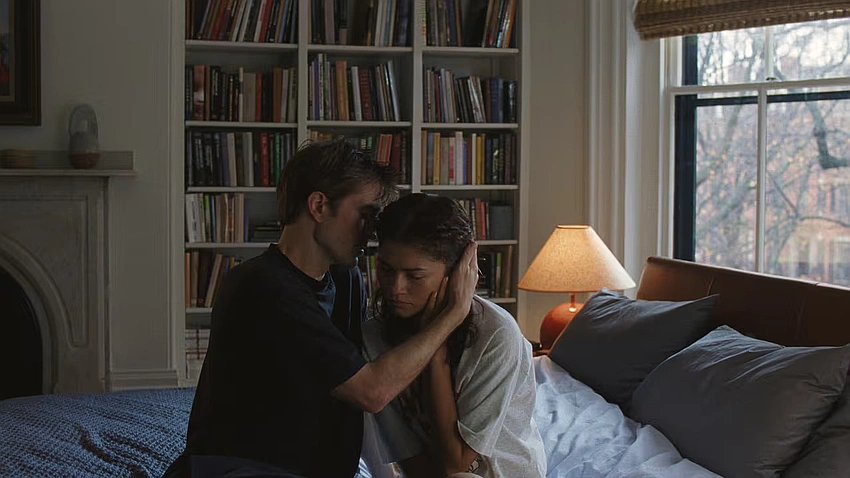
Zendaya’s performance as Emma is crucial to the film’s tension. She does not play the character as overtly sinister. Instead, she leans into ambiguity, presenting Emma as composed, even reassuring, in the face of others’ discomfort. This creates an ethical dilemma for the viewer. Are we meant to forgive her, fear her, or simply observe?
Pattinson, as Charlie, becomes the audience surrogate. His gradual unraveling is less dramatic than existential. He is confronted not with betrayal in the conventional sense, but with the impossibility of fully knowing another person.
The supporting cast, including Mamoudou Athie and Alana Haim, function almost as a chorus, articulating varying degrees of horror, denial, and forced normalcy. Their reactions mirror the audience’s own oscillation between fascination and unease.
Violence Without Event
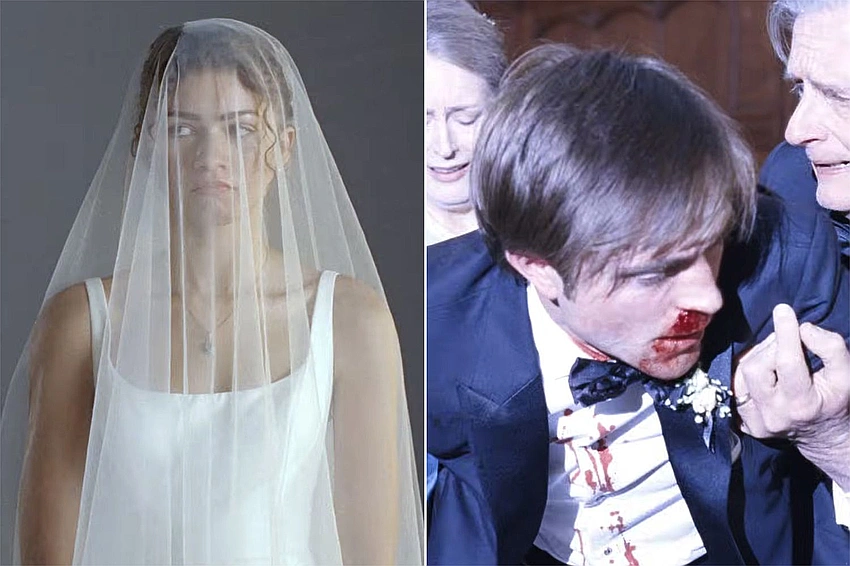
What makes The Drama particularly provocative is its engagement with violence as absence rather than occurrence. The central act never happens. It exists only as intention, as possibility. Yet this unrealised violence exerts more narrative force than any actual event could.
This aligns the film with a broader cultural anxiety. The idea that individuals can harbour extreme impulses while remaining socially integrated is deeply unsettling. The film suggests that modern subjectivity is defined not by what we do, but by what we are capable of imagining.
This premise has sparked controversy, particularly regarding its use of school shooting imagery within a romantic framework. The discomfort here is not incidental. It is the point. Borgli forces the viewer to confront the ethical limits of narrative itself.
Bourgeois Intimacy and Its Discontents
At its core, The Drama is a critique of bourgeois normalcy. The wedding, that quintessential symbol of stability, becomes the site of rupture. The carefully curated life, the charming relationship, the social rituals, all are revealed to be fragile constructions.
The film raises an uncomfortable question: how much of another person’s past can a relationship withstand? And more provocatively, is ignorance a necessary condition for love?
Charlie’s crisis is not simply about Emma’s past but about the collapse of a certain fantasy of relational transparency. The film suggests that intimacy is always built on partial knowledge, and that complete revelation may be incompatible with emotional survival.
What remains is a lingering unease. The film does not ask whether Emma is dangerous, but whether the desire to categorise her as such reveals more about us than about her. It is a film that transforms confession into catastrophe, romance into suspicion, and familiarity into something quietly, persistently strange.
#TheDrama #Zendaya #Pattinson #KristofferBorgli #MovieReview #FilmReview
