
The Billion-Dollar Dilemma
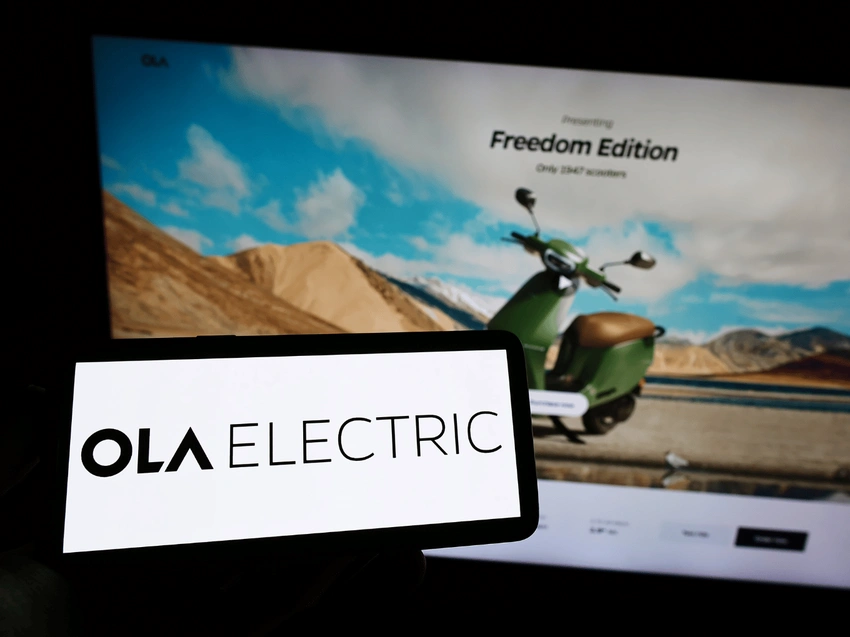
In the high-stakes world of technology and hardware, the hunger for capital is never truly satisfied. For founders, the dream is usually to build an empire while retaining as much control as possible. But reality often has other plans. Recently, we have seen major moves in the electric vehicle sector where giants are reportedly looking to raise upwards of ₹2,000 Crore by selling minority stakes in their core technology subsidiaries.
Is this a strategic masterstroke or a desperate survival tactic? Let's dive into the trade-offs of diluting equity for massive growth capital.
Why Startups Sell the 'Family Jewels'
When a parent company faces a decline in sales or a plunging stock price, the pressure to find liquid cash becomes intense. For companies in the EV space, the most valuable asset isn't just the scooters on the road; it is the battery technology under the hood.
- R&D is expensive: Developing proprietary cells requires billions in investment that regular cash flow often cannot cover.
- Global Credibility: Bringing in sovereign wealth funds or global infrastructure investors provides a stamp of approval that retail investors alone cannot offer.
- Risk Mitigation: By selling a stake in a subsidiary, the parent company can raise funds without necessarily diluting the main entity even further.
The Risks of the 'Big Raise'
Dilution is a double-edged sword. Every time a founder sells a piece of the pie to a financial giant, they lose a bit of their autonomy. When performance metrics dip, such as a 55% drop in operating revenue or a significant hit to delivery volumes, those new investors might start asking uncomfortable questions.
Moreover, relying on fresh capital to mask declining financial performance is a temporary fix. If the fundamental unit economics do not improve, the company eventually ends up with a cap table full of powerful voices and a founder who is essentially just an employee.
The Verdict
Is it worth the risk? In most cases, yes. In capital-intensive industries like tech manufacturing, cash is oxygen. You cannot innovate if you cannot pay the bills. However, founders must be careful not to sell their future just to survive a bad quarter. The goal should be to use that ₹2,000 Crore not just to fill a hole, but to build a bridge to a profitable, self-sustaining future.
What do you think? Would you trade 10% of your company's core tech for a $200 million lifeline?
