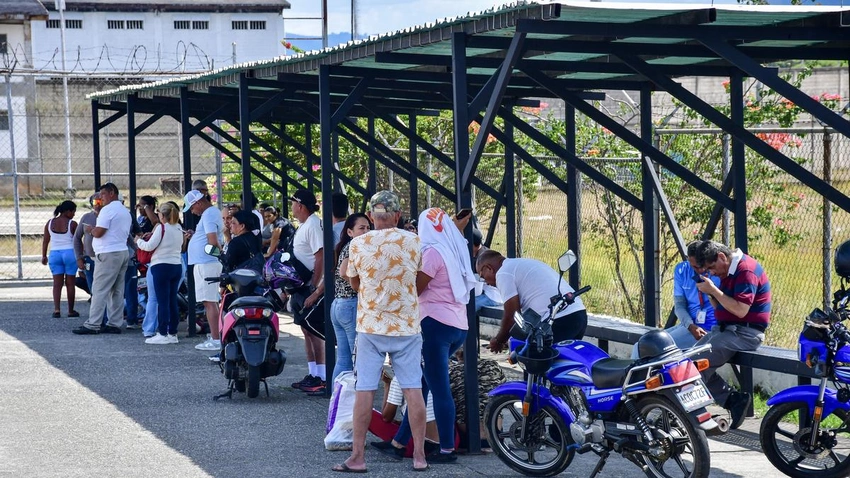

Over the weekend, a leading Venezuelan human rights NGO said at least 80 political prisoners had been released across jails nationwide, part of a rolling batch that observers say has intensified since the United States seized President Nicolás Maduro in a raid and flew him to New York to face drug-trafficking charges. Families have been gathered for days outside the El Rodeo jail in Zamora, waiting for news as this wave of releases continues.
Alfredo Romero, head of Foro Penal, said the group was verifying the identities of those freed and cautioned that more releases could come as verification proceeds. He noted that many of those freed in recent weeks have not had the charges against them dropped, leaving them in legal limbo and barred from making public statements. Previously, Foro Penal had confirmed the release of about 156 political prisoners since January 8, highlighting the ongoing complexity of the cases and the legal paths ahead. Separately, interim President Delcy Rodríguez said more than 600 prisoners had been freed, but Foro Penal disputes that inflated figure. Among those freed are some Spanish nationals and other opposition figures, according to the group.
Romero also posted on X a photo of Kennedy Tejeda, who Foro Penal says had been held in Tocorón prison, west of Caracas, since August 2024. He said the number of releases could rise above 80 as the verification process continues and lists are cross-checked against detention records.
On Monday, Rodríguez was set to speak with the United Nations High Commissioner for Human Rights, Volker Türk, to ask the UN to verify the lists of those released so far and to pressure for independent confirmation of the releases. Human rights groups and activists have long accused the government of using detentions to muzzle critics. The government has denied holding political prisoners, insisting those detained were arrested for criminal acts, not for their political views.
Analysts say the ongoing releases underscore a difficult political moment in Venezuela, shaped by international pressure, domestic opposition dynamics, and a government narrative that seeks to reframe detainees as criminals rather than political prisoners. As verification continues and more cases are reviewed, families and rights groups will be watching closely to see whether the releases translate into lasting relief or simply into a temporary pause in prosecutions.
