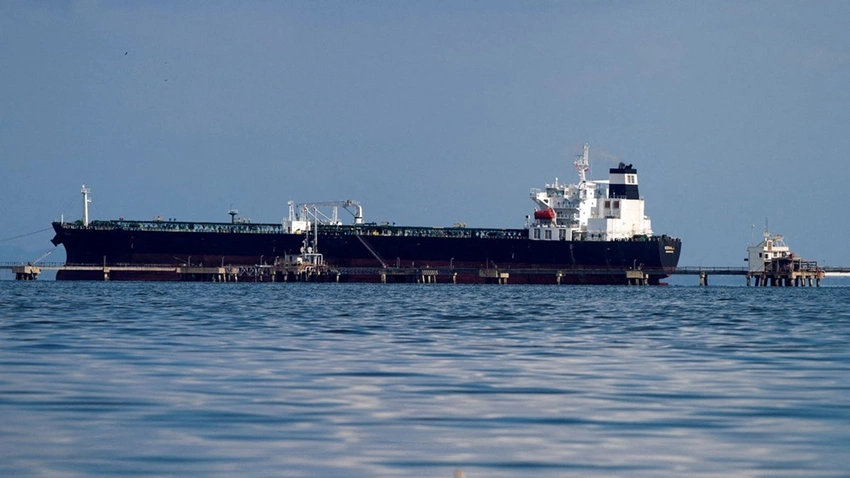

A dramatic timelapse shows oil tankers crawling through the Strait of Hormuz, one of the world's most vital energy chokepoints, as congestion worsens. Vessel-tracking data from April 9 to April 10 reveals a visible slowdown in tanker movement amid heightened tensions in West Asia. President Donald Trump claimed Iran is doing a “poor job” allowing oil shipments through the strait, a remark that has markets on edge and underlines how quickly geopolitical stress can ripple through global energy flows. The scene through Hormuz is being watched closely as a symbol of the region’s fragile security landscape.
Amid speculation about Iran’s toll, India sticks to its stance of “free, safe” navigation through the waterway. Oil prices have inched higher as a U.S.-Iran ceasefire fails to boost traffic, underscoring how supply fears persist even as diplomatic chatter continues. The slowdown in Hormuz comes as traders weigh potential disruptions to global crude supply and the risk to shipments routing around the chokepoint.
Trump has also warned Iran to “stop now” if it charges fees for transit, adding to the sense that the Strait of Hormuz remains a volatile flashpoint with wide-reaching implications for markets and energy security. The timelapse reminder of slower traffic amid tension highlights how geopolitics can directly affect the movement of oil and the price signals monitored by investors.
Analysts say the chokepoint remains a critical test for regional stability and global energy security, with every uptick in congestion or rhetoric potentially nudging prices and prompting supply-chain recalibrations.
