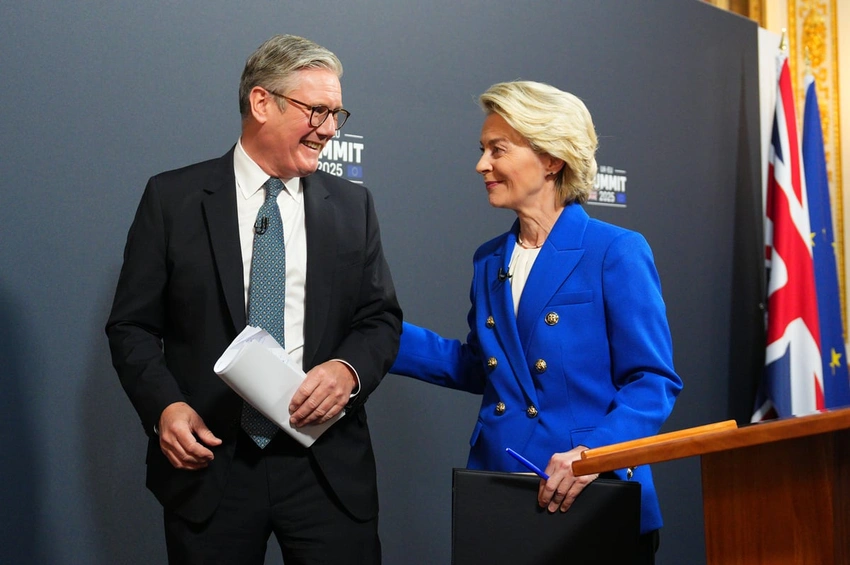

Britain is moving to empower ministers to adopt evolving EU single-market rules without a full parliamentary vote, a proposal that has sparked a wave of debate about scrutiny and sovereignty. The measure would let government ministers align with new EU rules through secondary legislation, rather than requiring a full vote in Parliament every time a rule changes. Supporters say the approach would keep the UK a reliable negotiating partner as Europe’s rules evolve, while opponents warn it could dilute Parliament’s oversight and shift significant policy decisions away from elected representatives.
Proponents compare the plan to how agencies such as the Food Standards Agency update regulations routinely, arguing that this approach can speed up the UK’s ability to respond to new market standards without getting bogged down in frequent votes. They insist the changes would be used only where necessary and would still be bound by parliamentary approval when a full law is required, framing it as a pragmatic tool rather than a wholesale power grab.
The government argues that closer alignment with EU rules could benefit the country’s trading position and remove potential friction in ongoing negotiations. It contends the move would not amount to stealth re-integration with the EU, stressing that any adoption of rules would occur within a legal framework and only with proper parliamentary authorization when specified by law. In the government’s view, this could provide greater stability for businesses operating across borders and for sectors that rely on consistent regulatory standards.
But the plan has drawn sharp criticism from opposition MPs and some within the EU-leaning wing of the party, who worry about the erosion of parliamentary scrutiny and the risk of policy shifts happening behind closed doors. Critics point to sectors like automotive, defence, agriculture and pharmaceuticals as areas where significant local impact could arise if rules are adopted without a full vote. They warn that such powers could set a precedent for expanding executive authority and reduce the visibility of important policy decisions to the public.
Keir Starmer has defended the proposal, arguing that a closer, well-regulated relationship with EU rules is in the UK’s national interest. He has framed the plan as a means to maintain practical alignment with European standards where it makes sense for trade and public safety, while insisting that parliament retains ultimate control through specified checks and votes at key junctures. As debate continues, lawmakers will weigh the benefits of quicker rule updates against questions about accountability and democratic scrutiny.
London observers say the outcome will hinge on how tightly the bill constrains secondary legislation and what safeguards are built in to ensure Parliament remains the ultimate arbiter of major policy shifts. The row reflects broader tensions over sovereignty, regulatory flexibility, and the future path of the UK’s relationship with Europe.
