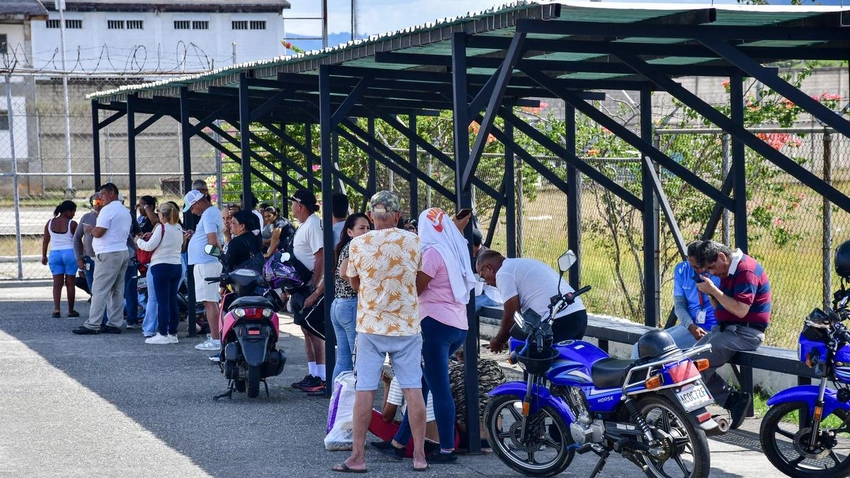

In the days after Nicolás Maduro was accused of stealing Venezuela’s 2024 election, relatives of protesters detained during the crackdown gathered outside Zone 7 prison in east Caracas, searching for loved ones. Inside, riot police with shields stood guard as Mileidy Mendoza, 30, described how twenty women—some in their 70s—have spent the last fortnight camped outside the jail waiting for news. Mendoza's partner, Eric Díaz, remains among those inside. 'What are they waiting for? For someone else to die?' she said, referring to a police officer who died recently after being arrested for allegedly sharing 'treasonous' messages about Maduro’s regime.
On 8 January, days after Delta Force commandos grabbed Maduro in New York, the regime announced prisoner releases. Acting leader Delcy Rodríguez called it 'a new political moment' in a country that had slid toward dictatorship under repression and economic crisis. Trump praised the move, saying the U.S. 'runs' Venezuela.
Advocacy group Foro Penal says only about 250 prisoners have been freed so far, leaving more than 600 still jailed. The group and others are verifying identities of those released nationwide, according to reports. The releases are seen by supporters as a concession, but critics say the pace and scope are designed to appease Washington rather than deliver lasting change.
For many families, the question remains: will all political prisoners walk free, or is this another step in a drip-feeding process? As U.S. pressure persists, the incident has drawn international attention and underscored ongoing human rights concerns in Venezuela.
