The Same, Smiling Art:
We get nostalgic for Renaissance, 90s art, and 20th century paintings, but art was good because artists went out for inspiration. Traveled. Now the only travel we do is from our Instagram feed to Pinterest boards.
We have homogenised our sources of inspiration and eliminated the friction needed for growth. The greatest threat to contemporary art is not bad taste, but the digital echo chamber, which makes you feel like you got great taste, but it's actually everyone else's.
How Our Algorithms Killed Originality and Banned Honest Critique
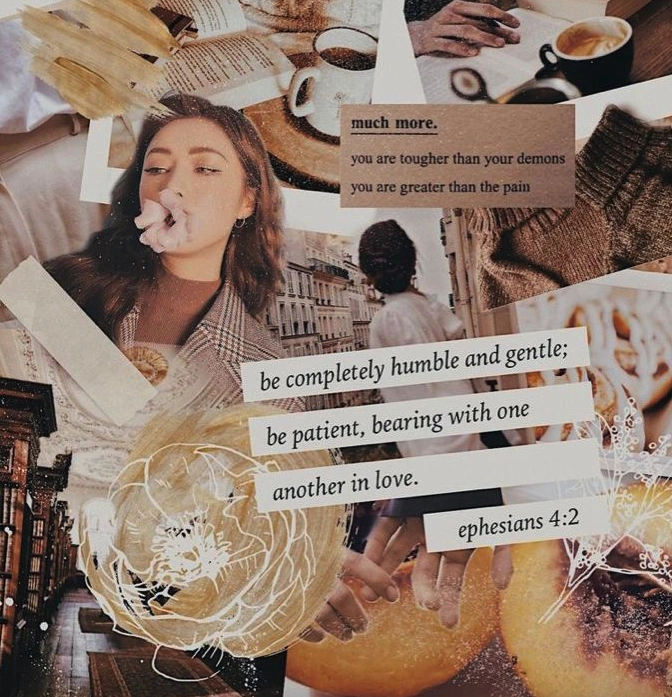
I suspect that if you took the ten most-liked pieces of digital illustration from the past year, blurred the names, and asked a panel to identify the artists, they would struggle. There is a look, a specific palette of dusty violets and soft ochres, a clean line weight, a composition optimized for a square crop, which has become the lingua franca of online success.
I call it the 'Internet Aesthetic'. It is a comfortable, competent, and utterly uniform style that has been engineered not by genius, but by aggregation.
As an artist and a literature student, I see a dangerous feedback loop emerging in the contemporary creative space. We are caught in a cultural double-bind where digital tools have simultaneously rendered our work indistinguishable and removed the crucial intellectual friction necessary for us to ever improve.
We are all creating the same art, and nobody is even telling us that’s a problem.
Part I: The Illusion of Inspiration
My studio is currently a mess of canvases, charcoal dust, and crumpled printouts of Renaissance masters. But when I’m short on inspiration, my first instinct is what it is for most of my peers: I open Pinterest.
In a gallery, inspiration is active. You have to physically move, breathe the same air as the painting, wrestle with the scale, and interrogate the artist’s choices. The friction comes from the search -- from the library shelf, the archival photograph, the accidental discovery.
The digital mood board removes this friction. When I search for "dramatic lighting illustration," the algorithm doesn't take me to Caravaggio’s original canvas. It takes me to the most successful, most-replicated digital interpretation of dramatic lighting.
We are perpetually looking at the copy of a copy, several layers removed from the original artistic impulse.
This creates the Pinterest Loop. The algorithm rewards images similar to what it knows works. Artists, chasing engagement, feed it more of what works.
We stop seeking inspiration from life, from nature, or from challenging historical sources. We start sourcing our inspiration from other people's feeds.
Our collective subconscious is now just a single, perfectly optimized, and perfectly circular stream of content. The result is aesthetic homogenization. We are not sharing original ideas; we are efficiently distributing the same one.
Part II: The Good Comments
If the Pinterest Loop ensures our visual language becomes boring, the social media culture ensures we all like this aesthetic, including our professors and comment critics on the platforms itself. It even has more of a chance of becoming viral if it adheres to this aesthetic. This ensures we never develop the intellectual rigour to fix it.
In the academic environment, you can still get some criticism, but once you graduate, the primary interaction most artists receive is fire emojis if they're lucky, and nothing if they're well, everyone else.
Algorithms punish original work - as they do bad comments. A genuine critique, even delivered kindly, risks being flagged, reducing the creator’s visibility.
Plus artists don't want to receive criticism, even if it makes them improve their art. Why struggle to find a new voice when your existing one already generates thousands of likes?
Reclaiming the Rough Edge
We must actively choose to break the loop. We must choose the library over the feed, the messy sketchbook over the clean board, and the physical friction of nature over the frictionless scroll. Because if we don't, our collective artistic output will soon be a competent but tedious visual hum -- a single, soft, pastel-coloured whisper of an idea, repeated across millions of screens.
The uniform, smiling style of the Internet Aesthetic is a comfortable place, but comfort is the enemy of creation. We need to reintroduce the friction, the doubt, the difficulty, the struggle to find something that doesn't fit the square frame, before our entire visual culture fades into a single, perfectly filtered blur.
#art #artists #creativity #originality #socialmedia #culture
