
The Billion Dollar Dilemma
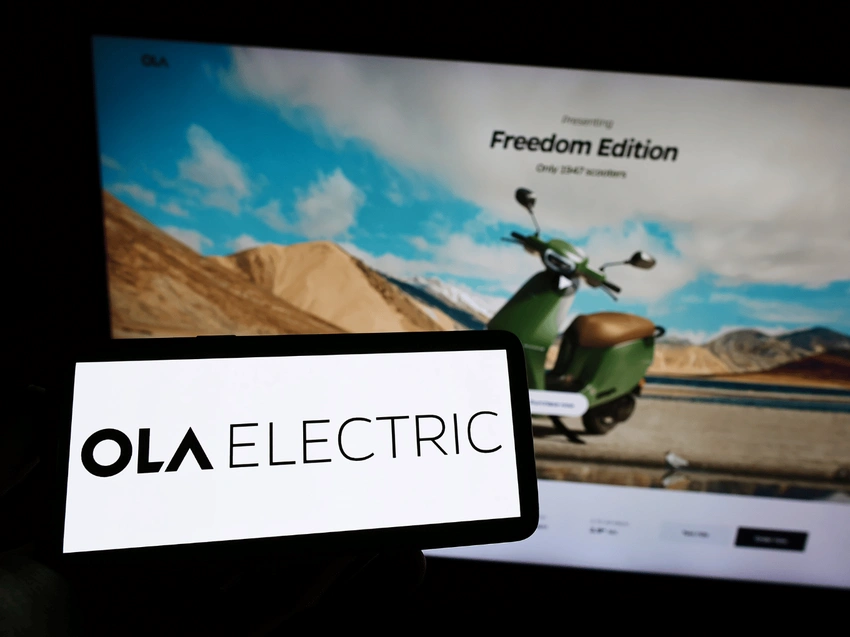
Every founder dreams of building an empire where they hold all the keys. But when you are building something as capital-intensive as electric vehicles or advanced battery technology, the reality of the burn rate eventually hits. Recently, we have seen a massive shift in how giants like Ola Electric handle this. By reportedly looking to raise around ₹2,000 Cr by selling a minority stake in their battery subsidiary, Ola Cell Technologies, they are posing a question every growth-stage startup must eventually answer: Is it better to own 100% of a struggling lab or a smaller piece of a global powerhouse?
Why Carving Out Makes Sense
Deep tech is expensive. Whether it is proprietary AI models or lithium-ion cell manufacturing, the R&D costs can bleed a parent company dry. Carving out a tech unit into its own entity allows a company to:
- Attract Specialized Capital: Sovereign wealth funds and infrastructure investors often have different risk appetites than typical venture capitalists. They want steady, long-term plays in specific sectors like green energy.
- Protect the Parent Stock: If the main company is listed and its shares are under pressure due to quarterly earnings, raising funds at the subsidiary level keeps the parent company’s equity from being further diluted during a downturn.
- Valuation Play: Sometimes, the sum of the parts is worth more than the whole. A dedicated battery unit might command a higher valuation than the EV company itself.
The Risk of Losing the Soul
However, this strategy is not without its traps. The biggest fear for any founder is the loss of control. When you bring in heavyweight financial investors into your core tech unit, you are no longer the only one making the rules.
If the battery tech is the heart of the vehicle, and you sell a chunk of that heart, do you still control your own destiny? Decisions on R&D timelines, patent licensing, or even who you sell your tech to might suddenly require a board vote from people who care more about the internal rate of return than your original vision.
The Verdict
In the current market, where revenues can be volatile and delivery numbers might dip, survival is the only metric that truly matters. Raising ₹2,000 Cr by selling a stake in a subsidiary might feel like selling the crown jewels, but it is often the only way to ensure the kingdom stays standing.
Founders have to stop looking at equity as a trophy and start seeing it as fuel. If selling a piece of your tech unit keeps the lights on and the innovation moving, it is a move worth making. Control is a luxury; scale is a necessity.
