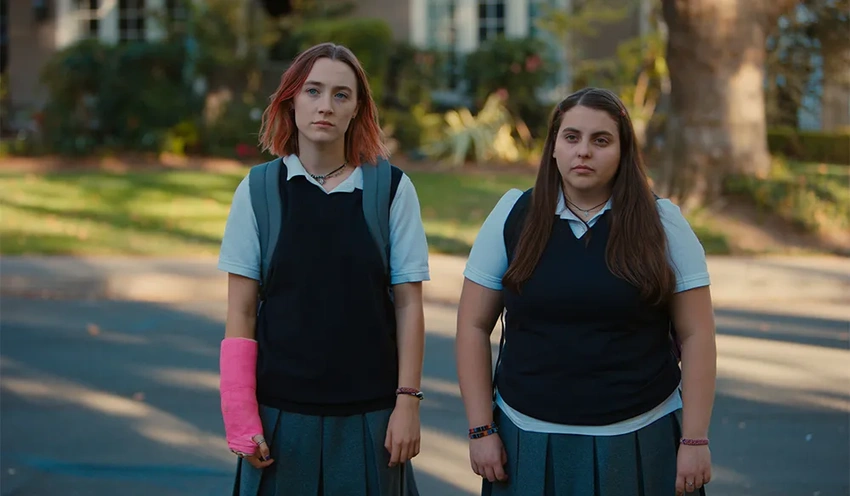

The “coming of age” genre is a deeply relatable and real part of all our lives that we seek comfort in. When done right, it can strike all the right chords in us and make us feel seen but when done poorly, it comes off as imitative and generic. The key to a good coming of age film, TV show, video game, song, or any form of art is being as honest and raw as possible.
The Homogeneity of 20th Century Cinema
Mainstream cinema dominated the 20th century which is why most of the coming of age films from the 70s, 80s and 90s are mostly just white people doing white people things. While some of them are genuinely good, they still only appeal to a certain audience and while that is fine for one or two films to be like that, the problem is all of them were like that.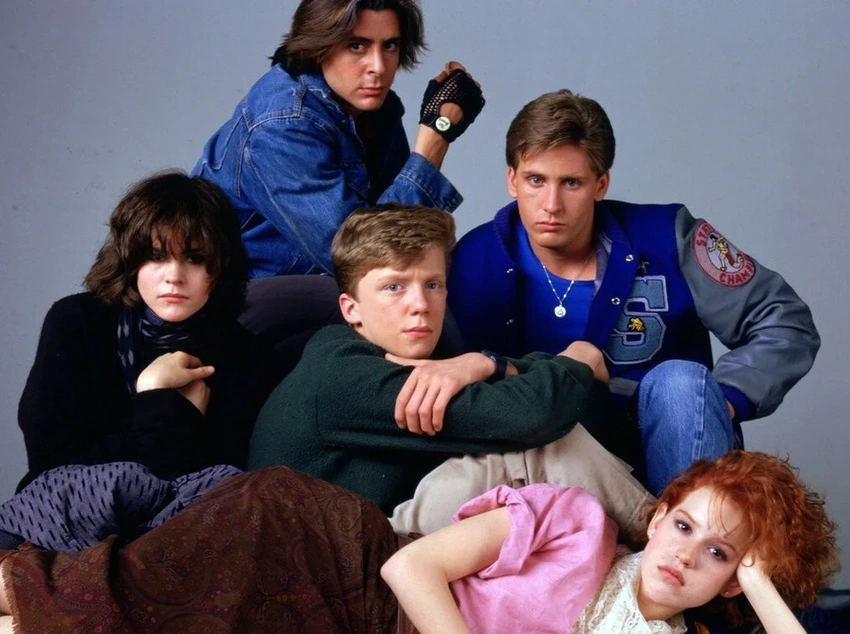
Starting all the way back with Rebel without a cause till The Goonies, Sixteen Candles or even The Breakfast Club. They focus mainly on white middle, upper middle class protagonists with themes of rebellion and anti-authority. The culture is very bland and surface level and most protagonists are male. They always have a happy ending where everything works out, tying up all the threads.
As I mentioned earlier, not all of these are bad. Just because it contains a white protagonist and captures a white perspective, the film is bad. There are many exceptions like Dazed and Confused, Boyhood, and even The Breakfast Club. These are still very well written and quality coming of age films. They just happen to fall into a generic category because of their chosen subject.
The Shift: Diversity and Depth in 21st Century Narratives
The 2000s however brought a change to this. A major film that marked this shift could be attributed to Boyz N the Hood which released much earlier in 1991 and showed the black perspective for young boys. We now have much more diverse representation in this genre, with different culture, ethnicities and sexualities being shown on screen while also tackling more deeper themes like mental health, anxiety and trauma. The perks of being a wallflower, Didi, Aftersun, Moonlight are some examples of this.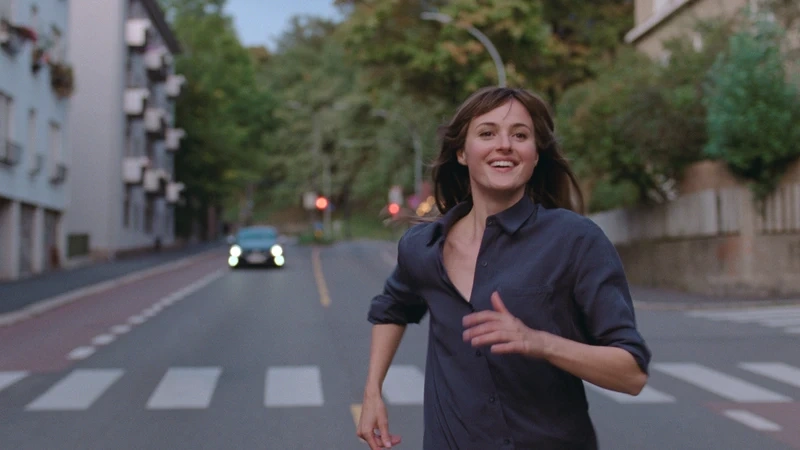
We also have more female protagonists with films like Lady Bird, The worst person in the world, Are you there God, it’s me Margaret?, Eight Grade and Shiva Baby. They use the female perspective to show their complex perspectives, highlighting social issues that affect girls in their youth. They also offer a more global perspective, inculcating family dynamics and cultural differences within the film.
Evolving Storytelling Techniques
The storytelling has also changed significantly. While older coming of age films were linear based stories, we have more fragmented and non-linear stories to fit the nature of growing up and how it feels.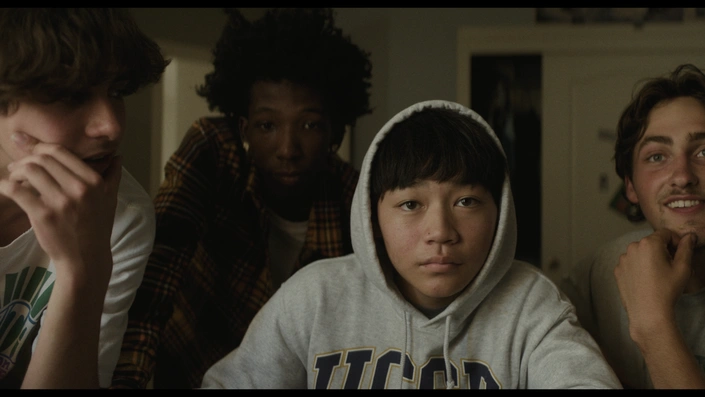
The coming of age genre is still improving and is something that has to remain unique and raw, as it is one of the most purest forms of art that requires both the artist and the consumer to take a deep look at themselves.
#ComingOfAge #CinemaCritique #FilmHistory #DiversityInFilm #MovieDiscussion
