
The Lens Has a New Language
For nearly a century, one of the most vital parts of filmmaking sat behind a glass ceiling. We watched movies, we loved the visuals, and we celebrated the stars. But the person responsible for how we see every single frame was often overlooked in the history books. At the 2026 Oscars, that changed in a way that will be remembered for decades.
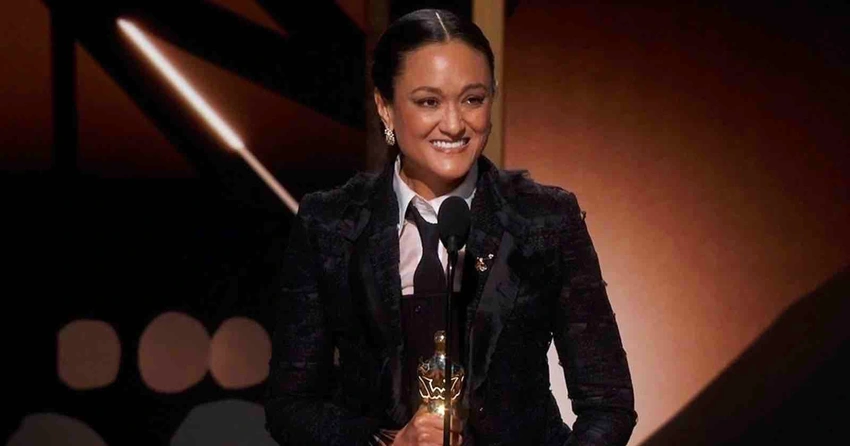
Autumn Durald Arkapaw taking home the award for Best Cinematography for the film Sinners is more than just a win for a single production. It is a tectonic shift in the industry. As the first woman and first Black person to win in this category, she didn't just win a trophy; she validated a new era of visual storytelling. Before this moment, only three women had even been nominated in the history of the Academy. Now, the door is not just open; it has been taken off the hinges.
What makes this win so significant is the sheer technical audacity behind the work. We are living in a time where the medium is evolving faster than ever. For Sinners, Arkapaw became the first female cinematographer to utilize both IMAX 65mm and Ultra Panavision 70. This isn't just about using expensive gear. It is about combining the massive, immersive scale of IMAX with the wide, cinematic texture of Ultra Panavision. It is the first time a film has ever bridged these two formats so seamlessly, creating a visual language that feels both intimate and infinite.
We need to start treating the cinematography category as the pinnacle of the awards. It is where the soul of the director meets the hard science of light and optics. Arkapaw’s collaboration with director Ryan Coogler shows what happens when there is total trust between the vision and the execution. During her speech, she recalled how Coogler always thanks her for believing in him, but it is clearly the audience that should be thanking them both.
When Arkapaw asked every woman in the room to stand during her acceptance, it was a reminder that while she is the first, she isn't the only one capable of this level of mastery. The craft of cinematography is the heartbeat of the theater experience. It is time we stop treating it as a secondary technical category and start recognizing it as the primary force that keeps cinema alive. This win isn't the end of a long journey; it is the starting gun for a whole new way of seeing.
