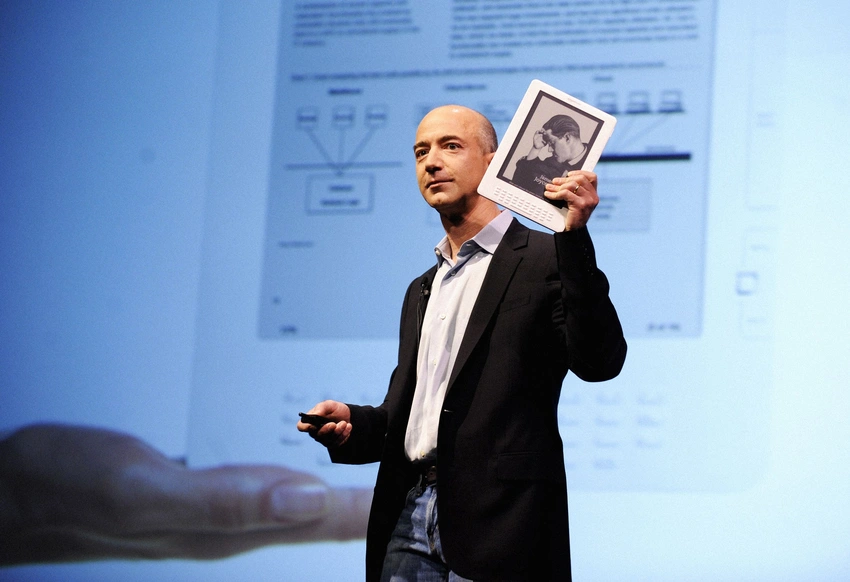

The End of Ownership: Amazon’s War on Your Old Kindle
There is a specific kind of magic in an old Kindle. It is a device that does one thing and does it well. Unlike your phone, it does not ping you with notifications or tempt you with endless scrolling. It just holds your library. For many of us, those pre-2012 models are still kicking. They are sturdy, the e-ink is easy on the eyes, and the battery life remains legendary.
The Great Disconnect
Amazon recently sent out an email that effectively turns these loyal companions into e-waste. By ending Kindle Store support for devices older than the 2012 edition, they are pulling the plug on a perfectly functional ecosystem. If you own one of these legacy devices, you can no longer browse, buy, or download books directly from the device itself.
This is the ultimate villain arc for tech sustainability. We live in an era where every major corporation has a glossy sustainability page on their website. They talk about carbon neutrality and recycled packaging. Yet, the most sustainable thing a company can do is let a working device stay in use for as long as possible. By forcing a hardware transition, Amazon is ignoring the environmental cost of manufacturing and shipping millions of new units.
The Ownership Myth
This move highlights a terrifying reality of the digital age: you do not actually own what you pay for. When software is tied to a centralized store, the manufacturer holds a kill switch. Your purchase is more like a long-term rental that can be revoked when the corporate strategy shifts. It is not just about the convenience of a bookstore. It is about the principle of longevity.
Why should a device that still functions perfectly be sidelined? Here is what this move tells us:
- Longevity is a bug, not a feature. If it lasts ten years, they cannot sell you a new one.
- Sustainability is a marketing tool. It is discarded the moment it hurts the bottom line.
- Digital ownership is an illusion. We are at the mercy of server-side permissions.
The Path Forward
We need to demand better. We should be pushing for the right to repair and the right to maintain our own devices without forced obsolescence. If Amazon wants to be a leader in the tech space, they should be finding ways to keep these devices running, not finding ways to make them obsolete. Your old Kindle deserved better. We all do.
