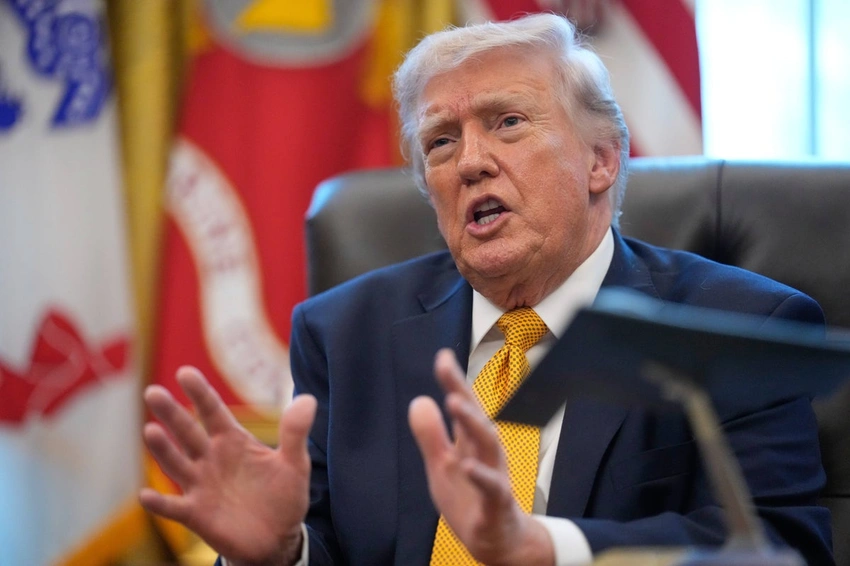

In a volley of sharp remarks on the campaign trail, a former president targeted his rival, arguing that a president should not have learning disabilities and adding a harsh label about the opponent. The comments have sparked a broader conversation about how disability is discussed in politics, with critics warning that such rhetoric normalizes stigma and undermines opportunities for people with learning differences.
Dyslexia affects many Americans and is not a measure of intelligence. Advocates emphasise that up to 20 percent of people experience dyslexia, a learning difference that does not determine a person’s abilities or potential. By suggesting a leader’s qualifications hinge on the absence of a learning disorder, the remarks risk reinforcing harmful stereotypes and diverting attention from policy substance.
Disability rights groups and education advocates condemned the comments, arguing that public discourse should lift up inclusive language and accurate information about dyslexia. The exchange underscores how conversations about learning differences can become flashpoints in presidential politics, prompting calls for more careful wording and responsible dialogue from public figures.
Amid the current political climate, the episode feeds into a larger debate about accountability, respect, and the responsibilities of leaders to foster an environment where people with learning disabilities feel seen and supported. As campaigns move forward, observers say the focus should shift toward policies that improve access to education, early screening, and resources for individuals with dyslexia, rather than stigmatizing rhetoric.
