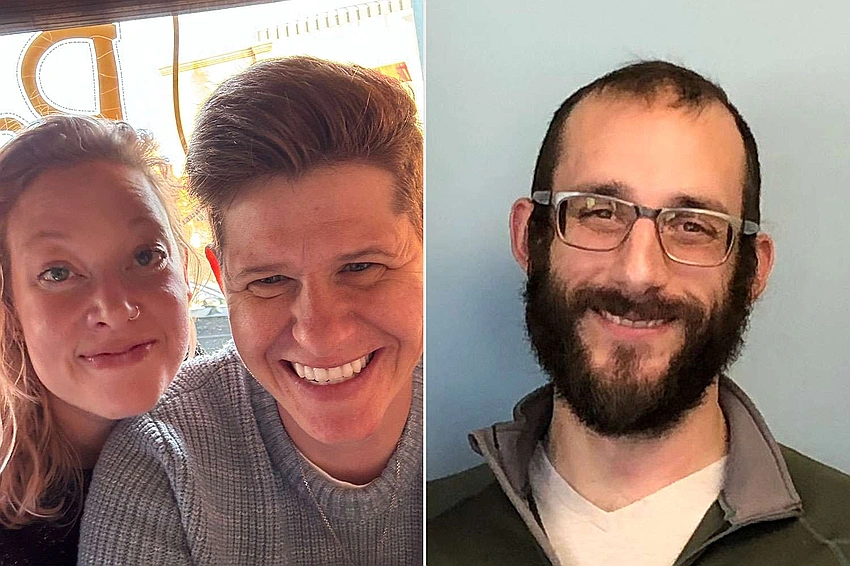

Minneapolis erupted in protests on January 24, 2026, after federal agents shot a protester amid an arrest attempt in the city. Witnesses describe a tense scene as agents moved in, with onlookers and observers in the crowd as the confrontation unfolded, underscoring the volatile dynamic between enforcement operations and local residents. The incident has intensified scrutiny of immigration enforcement in a city already grappling with the fallout from aggressive federal measures.
Alex Pretti's death at the hands of federal agents has become a central rallying point for demonstrators, who are calling for accountability and tighter checks on tactics used in immigration operations. Community members say the incident highlights deeper concerns about how arrests are conducted and the potential for excessive force in otherwise peaceful neighborhoods.
Renee Good’s family has joined the chorus demanding change, urging Americans to question the actions of the ICE crackdown and to reconsider the approach to policing in the city. They argue that the presence of federal agents in Minneapolis amounts to an invasion that erodes trust between residents and authorities.
National context adds to the urgency: last year saw at least 32 deaths in ICE custody, a figure activists say underscores the human cost of intensified enforcement. In a separate account, a pediatrician who treated Pretti said Border Patrol moved his body to tally wounds rather than provide CPR, a claim fueling calls for a transparent, independent investigation into the incident.
City officials and community leaders are calling for calm, greater transparency, and safer, lawful enforcement practices that protect residents while addressing security concerns. The events in Minneapolis are part of a broader national debate over immigration policy and the boundaries of federal involvement in domestic policing.
