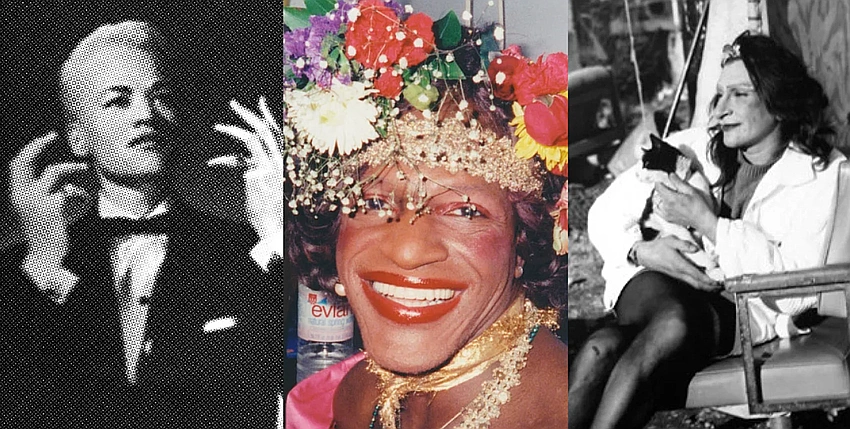

As a literature student, I’ve always been fascinated by the small ways in which language carries history. Words are never innocent; they bear traces of who made them, who used them, who needed them to survive. For trans people, slang has been less about ornament and more about oxygen; a way of speaking survival, solidarity, and subversion.
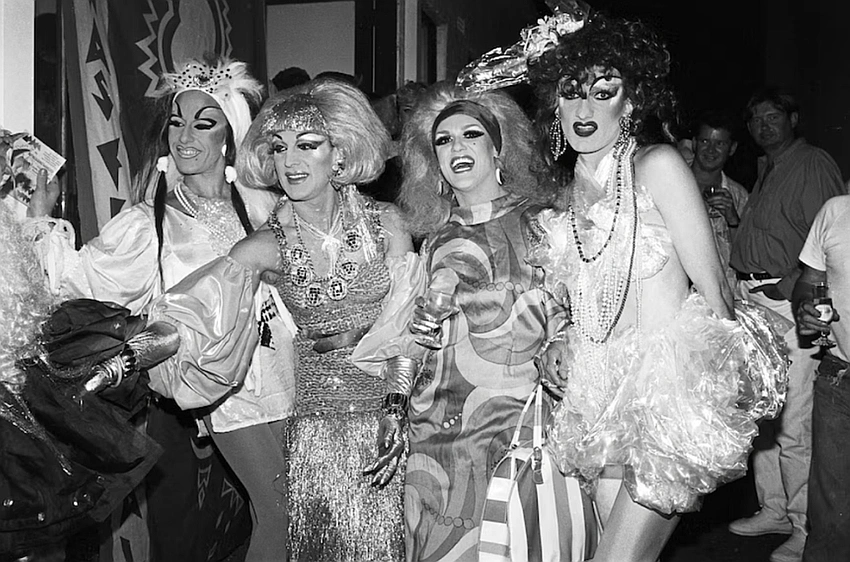
And unlike the brutal, violent slang traditions of other subcultures of gang lexicons, militaristic sports metaphors, or misogynistic internet jargon, the pop vocabulary shaped by trans communities and drag culture is startlingly gentle, witty, and inventive. It builds worlds rather than destroys them.
Eggs and Euphoria
Few terms are more distinctively trans than egg. To be an “egg” is to live unaware or not yet admitting one’s transness. The “crack” is the moment of realisation. It is whimsical, even affectionate, to imagine a hidden self incubating under a fragile shell. Where other slang might mock someone’s ignorance or weakness, trans people fashioned a metaphor that celebrates emergence.
Paired with gender euphoria, the glowing opposite of dysphoria, this vocabulary frames identity not as a crisis but as a transformation. It is an idiom of hope, as though every self has the possibility of hatching into something freer.
Drag and the Architecture of Camp Words
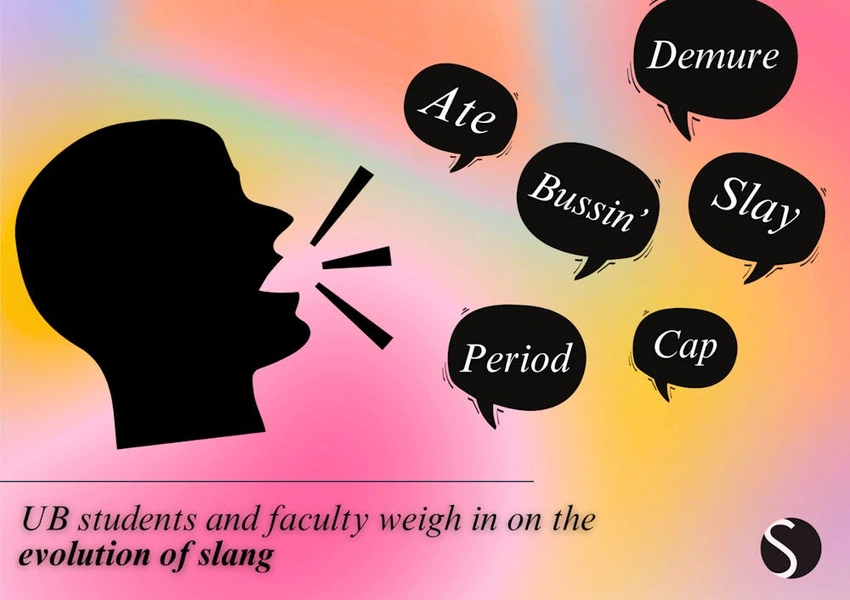
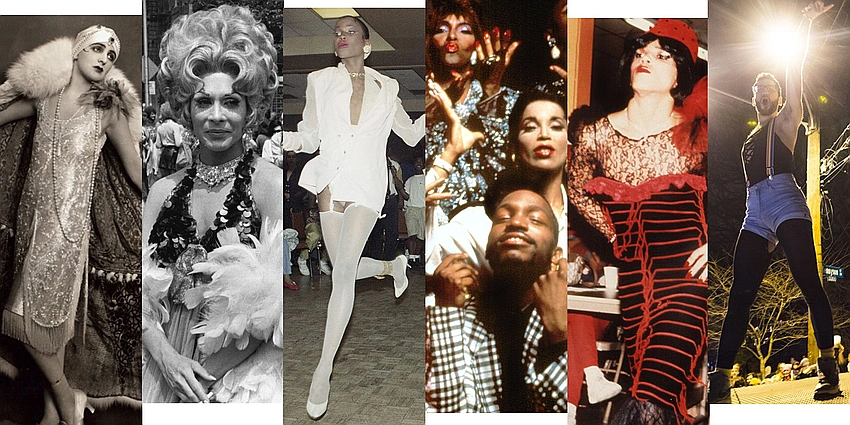
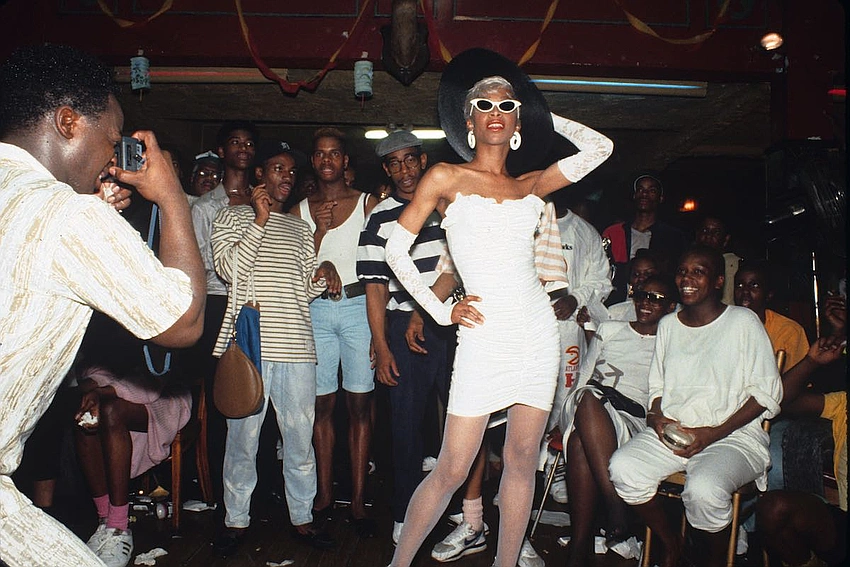
Drag culture, long interwoven with trans experience, is a cathedral of language. Words like kiki (a party, a gathering), shade (an artful insult), reading (a playful yet precise critique), and spilling the tea (sharing gossip) have spilt from drag balls into the bloodstream of mainstream pop culture.
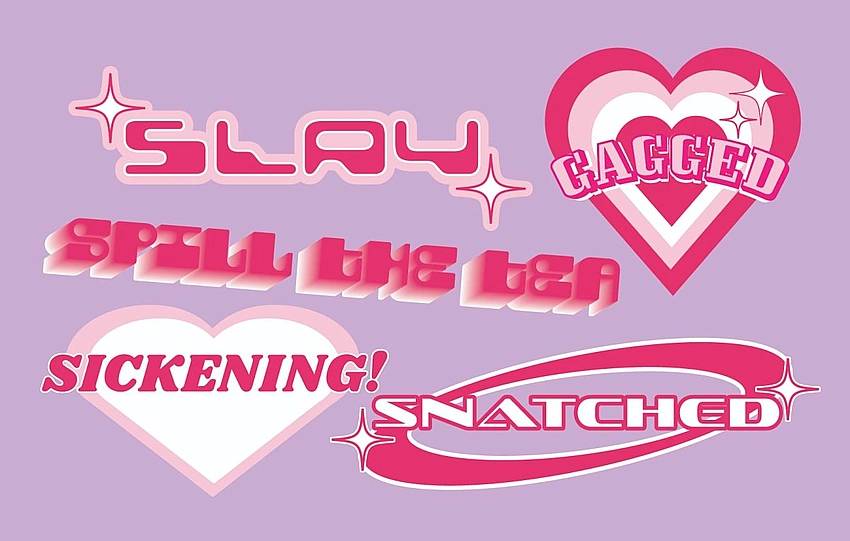
What matters here is context: these words were not forged in malice but in performance, satire, and survival. A read is sharp, but it’s closer to wit than violence. A kiki is joyous, a space of respite. Even shade, while caustic, thrives on artistry rather than aggression.
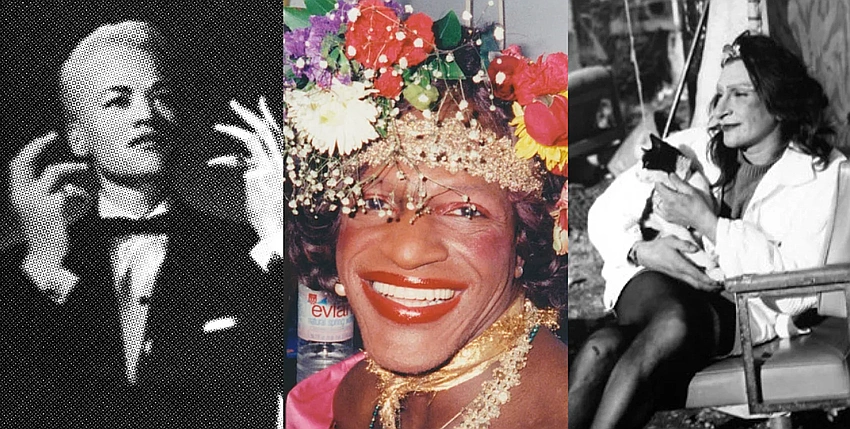
Trans women of colour, especially those shaping the ballroom scene, were central in creating this vocabulary. Their language wasn’t merely slang; it was a dramaturgy, a living archive of queer and trans existence when the world refused to record it otherwise.
“Mother” and Chosen Kinship
One of the richest inheritances from drag and trans spaces is the use of the mother. To call someone “mother” is not to bow to authority but to honour nurture. In ball culture, trans women often became house mothers, guiding and protecting younger members.
Today, the internet gushes over celebrities as “mother,” but the term carries deeper resonance when spoken by trans communities: it is about kinship beyond blood, survival in the face of exclusion, the forging of family when family is denied. Again, the vocabulary points to care, not conquest.
Precision Without Violence
If drag and trans slang gift the world metaphor and performance, they also gift clarity. Cis from the Latin prefix meaning “on the same side” emerged to mark the unmarked, to name what had been invisibly assumed. Crucially, it does so without slur or insult. It is descriptive, not derogatory.
Likewise, terms like trans masc and trans fem allow specificity without judgment. They sketch a spectrum of identity while refusing hierarchies. This is not a language that seeks to dominate; it seeks to locate.
The Violence of Other Slang Traditions
Slang elsewhere is so often a lexicon of harm. Sports and hip-hop slang bristle with metaphors of battle: “smash,” “kill it,” “destroy.” Internet slang relishes “burns,” “dragging,” and “clapbacks.” Even mainstream youth slang often codes masculinity through aggression.
By contrast, trans and drag vocabularies gravitate toward play, care, and wit. An egg doesn’t get “roasted”; it cracks, hatches, and transforms. A kiki isn’t about rivalry; it’s about togetherness. Even the sharpness of a read is a performance, a comedy, not a cruelty.
It’s as if the language itself refuses to reproduce the violence already surrounding trans life. Where society wounds, slang heals or at least laughs.
The Poetic Function of Trans Slang
I find it impossible not to see these words as poems in miniature. Egg reads like a modern metamorphosis fable. Mother is a sonnet of kinship. Shade is satire compressed to a syllable. They turn everyday speech into allegory, layering humour over trauma, hope over exclusion.
Unlike other vocabularies that reinforce dominance, trans and drag slang enacts what literary theorist Julia Kristeva might call a semiotic disruption: it breaks the expected patterns of language, creating new forms that carry affect, play, and survival.
A Glossary Against Erasure
The pop vocabulary trans people and drag culture have gifted us is more than slang; it’s a lexicon of refusal. Refusal of violence, of invisibility, of shame. Each word, whether egg, kiki, mother, or gender euphoria, encodes not aggression but affirmation.
And maybe that’s why these terms travel so far, so fast, across TikTok feeds and everyday chatter: people are hungry for words that don’t wound. Trans and drag culture have given us not just linguistic glitter but an alternate ethic of speaking, one that turns pain into wit, exile into kinship, and silence into song.
#TransCulture #History #LGBTQ #Identity #TransHistory #PopCulture #DragCulture #PopSlang #QueerHistory
