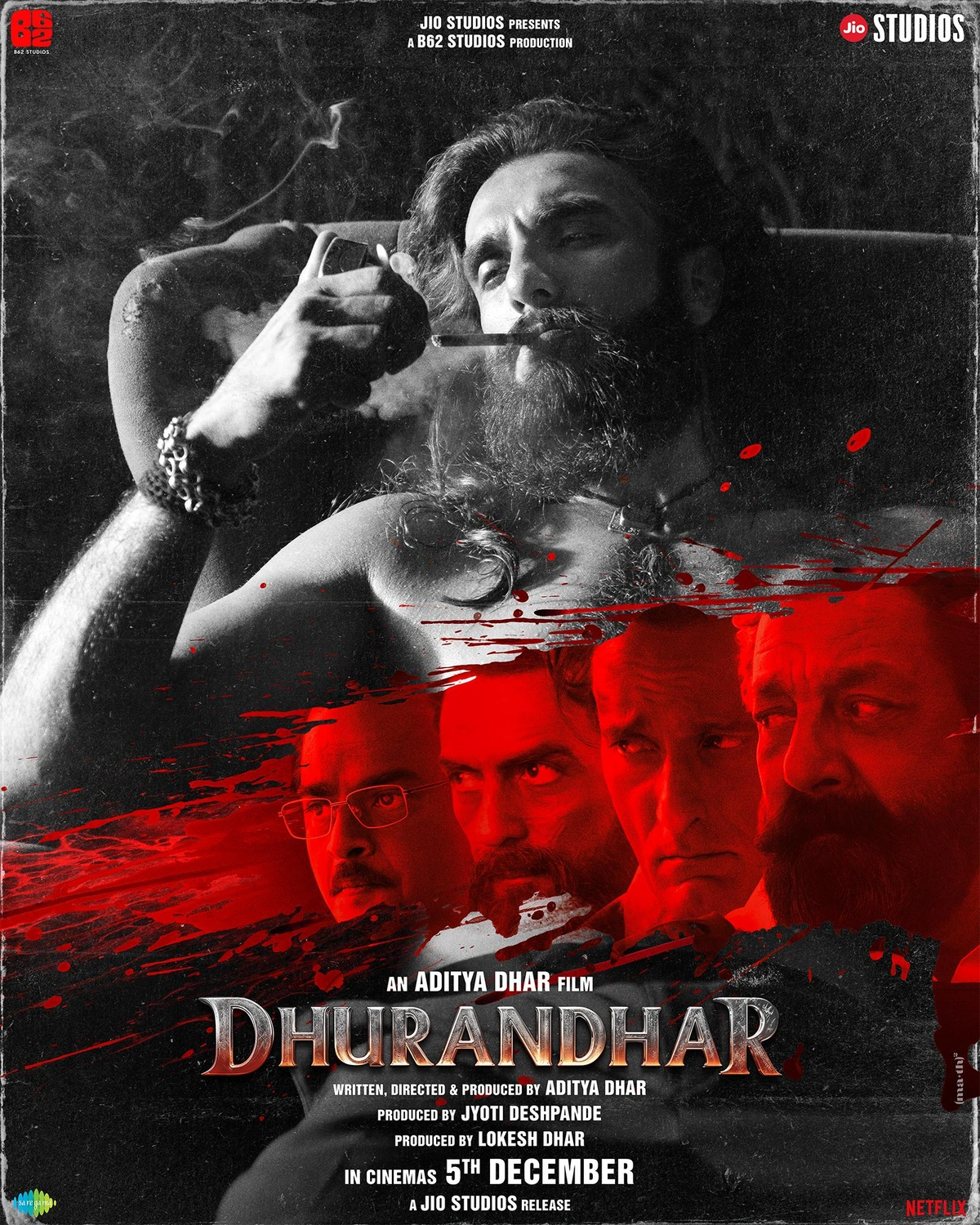

There is no denying that the Dhurandhar films have become a cultural event. Box office records tumble, social media erupts, and industry voices, supportive and critical, circle the films with unusual intensity. But precisely because they matter, they deserve scrutiny beyond spectacle. What emerges, on closer inspection, is not just a blockbuster franchise, but a deeply uneasy cultural text.
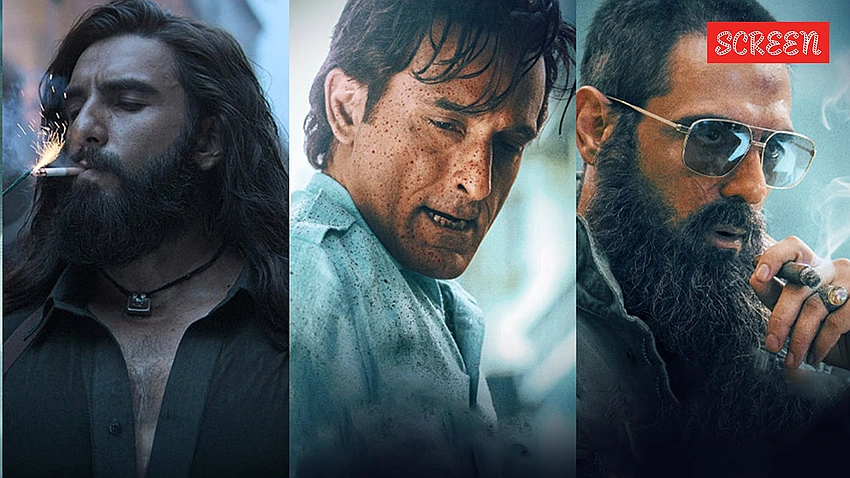
Spectacle Over Coherence
One of the first things that strikes you about Dhurandhar is its excess. Not just in scale, though there is plenty of that, but in narrative ambition. The films want to be everything at once: espionage thriller, gangster epic, geopolitical drama, emotional character study.
The result is a kind of cinematic overcrowding. Despite introducing numerous characters and subplots, the storytelling often struggles to maintain focus or cohesion.
This is not simply a question of “too much happening.” It is about a lack of narrative discipline. The films gesture toward complexity of multiple timelines, layered motivations but rarely sustain it. Instead, they collapse into set-pieces: action sequences, monologues, climactic reveals.
There is a telling observation that the franchise mistakes itself for a spy thriller when it functions more like a gangster film with espionage as decoration.
That misidentification matters. It explains why psychological tension is often replaced by brute spectacle.
The Dangerous Blur Between Fact and Fiction
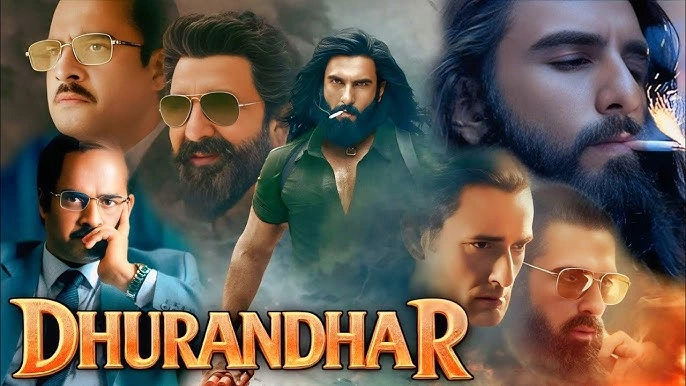
Perhaps the most troubling aspect of Dhurandhar is its uneasy relationship with reality. The films repeatedly insist they are fictional while simultaneously anchoring themselves in real historical events such as terror attacks, geopolitical conflicts, and recognisable figures.
This blending is not neutral. It produces a narrative that feels authoritative without being accountable.
The films incorporate real footage and references to events like the Mumbai attacks, creating a hybrid space where fiction borrows the emotional weight of history.
The ethical problem here is not simply one of taste. It is epistemological. When cinema presents itself as “inspired by truth” while reshaping that truth to fit a dramatic arc, it risks rewriting public memory. The viewer is not just entertained, they are subtly instructed on how to feel about history.
Representation and the Politics of Villainy
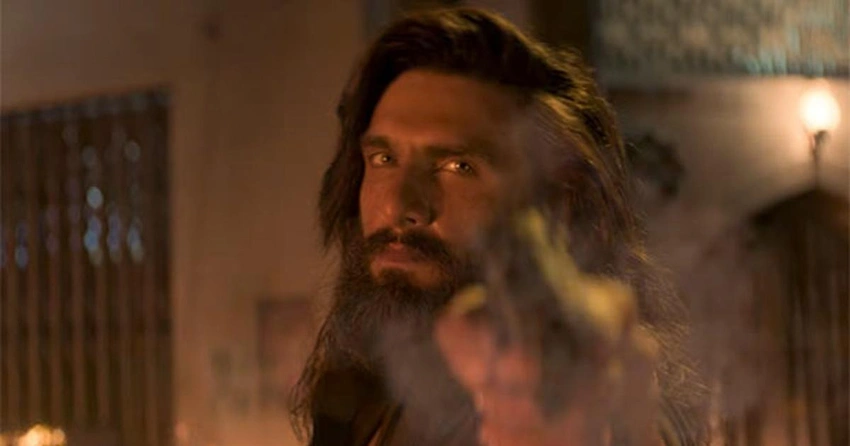
The controversy surrounding Dhurandhar is not incidental; it is central to how the films operate. A recurring critique is the flattening of entire communities into monolithic antagonists.
The films reduce complex identities, particularly religious ones, into caricatures associated with violence, effectively equating cultural identity with threat. This is about narrative economy. The films rely on recognisable stereotypes to accelerate emotional response. Hatred becomes shorthand for drama.
Even beyond explicit representation, the asymmetry is striking: certain victims are humanised, while others are rendered disposable or abstract.
The result is a moral universe that feels less like tragedy and more like ideological sorting.
Propaganda or Just Bad Faith Storytelling?
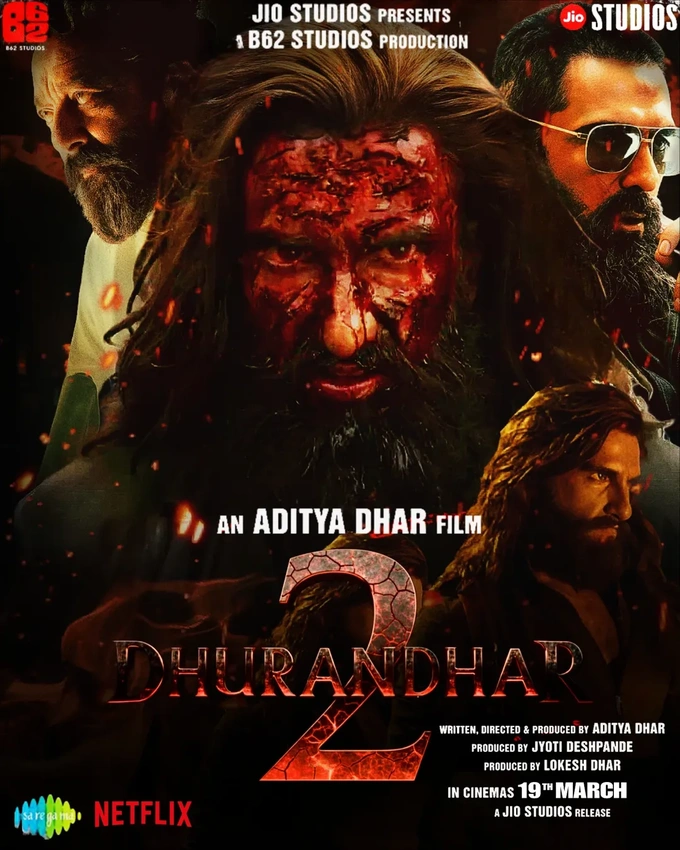
The word “propaganda” has hovered persistently around the Dhurandhar films. Industry figures and commentators remain divided; some dismiss the label, others insist it is unavoidable. But perhaps the more interesting question is not whether the films are propaganda, but how they produce that impression.
Part of it lies in their emotional architecture. The narrative is driven less by ambiguity than by certainty: clear enemies, clear righteousness, clear vengeance. Even when the films flirt with moral complexity, they retreat into affirmation.
There is also the question of tone. The films as ideologically heavy-handed, lacking subtlety in how they frame national identity and conflict.
In that sense, the films do not argue, they assert. And assertion, when combined with spectacle, can feel indistinguishable from persuasion.
Violence as Aesthetic
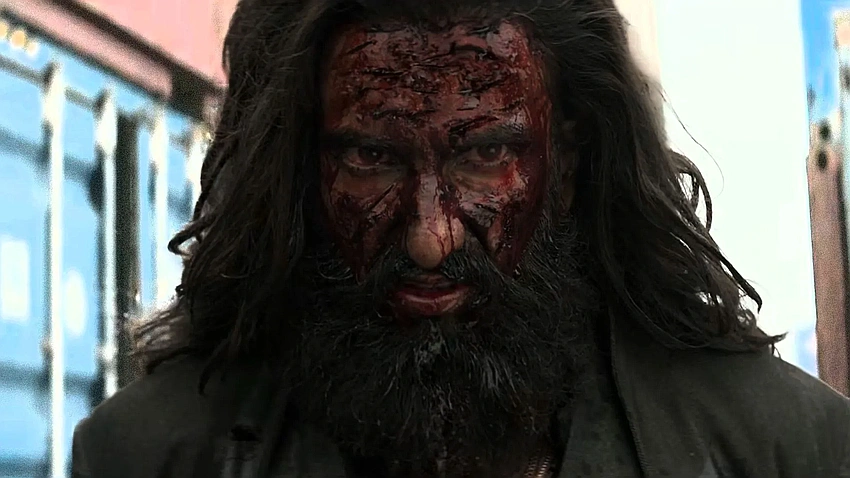
Violence in Dhurandhar is not incidental; it is aestheticised. Extended sequences, graphic imagery, and the use of real-world references create a sensory overload that is difficult to disengage from.
But what does this violence do?
At times, it feels less like a narrative necessity and more like an organising principle. Emotional beats are structured around escalation: more brutality, more intensity, more shock.
There is a discomforting observation that the films use real suffering of archival footage, references to actual deaths as part of their dramatic arsenal.
This raises a fundamental question: when does representation become exploitation? And can cinema claim moral seriousness while simultaneously turning trauma into spectacle?
The Audience Question
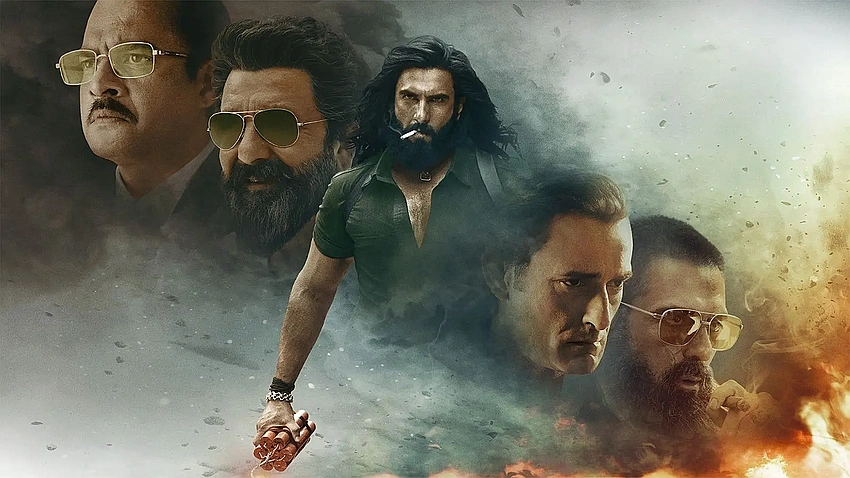
It would be easy to dismiss all of this as overthinking a blockbuster. After all, audiences clearly enjoy the films. The numbers are staggering; the engagement undeniable.
But popularity does not neutralise critique. If anything, it intensifies it.
Because Dhurandhar is not a marginal text, it is a dominant one. It shapes conversations, influences perceptions, and participates in a broader cultural ecosystem where cinema and politics increasingly intersect.
The audience, then, is not just consuming entertainment. They are participating in a narrative about nation, identity, and violence.
What Remains
The problem with the Dhurandhar movies is not that they are successful, or even that they are controversial. It is that they mistake scale for depth, assertion for complexity, and affect for understanding.
They are, in many ways, perfectly engineered for the present moment: loud, polarising, emotionally immediate. But they rarely trust the viewer enough to embrace ambiguity, to sit with discomfort, or to question the narratives they construct.
And that, more than anything else, is what lingers. Not the explosions or the twists, but the sense that something ethical, narrative, even human has been simplified in the process.
#Dhurandhar #FilmReview #CinematicOverload #Blockbuster #CinemaCritique
