
News these days is full of unthinkable heights that the egos of world's most powerful people can go to as far as wrongdoing is concerned. A tech giant overreaches, a CEO ignores a massive safety warning, or a politician makes a move that seems objectively, cartoonishly villainous. My first instinct is the same as yours: Are they genuinely so bad?
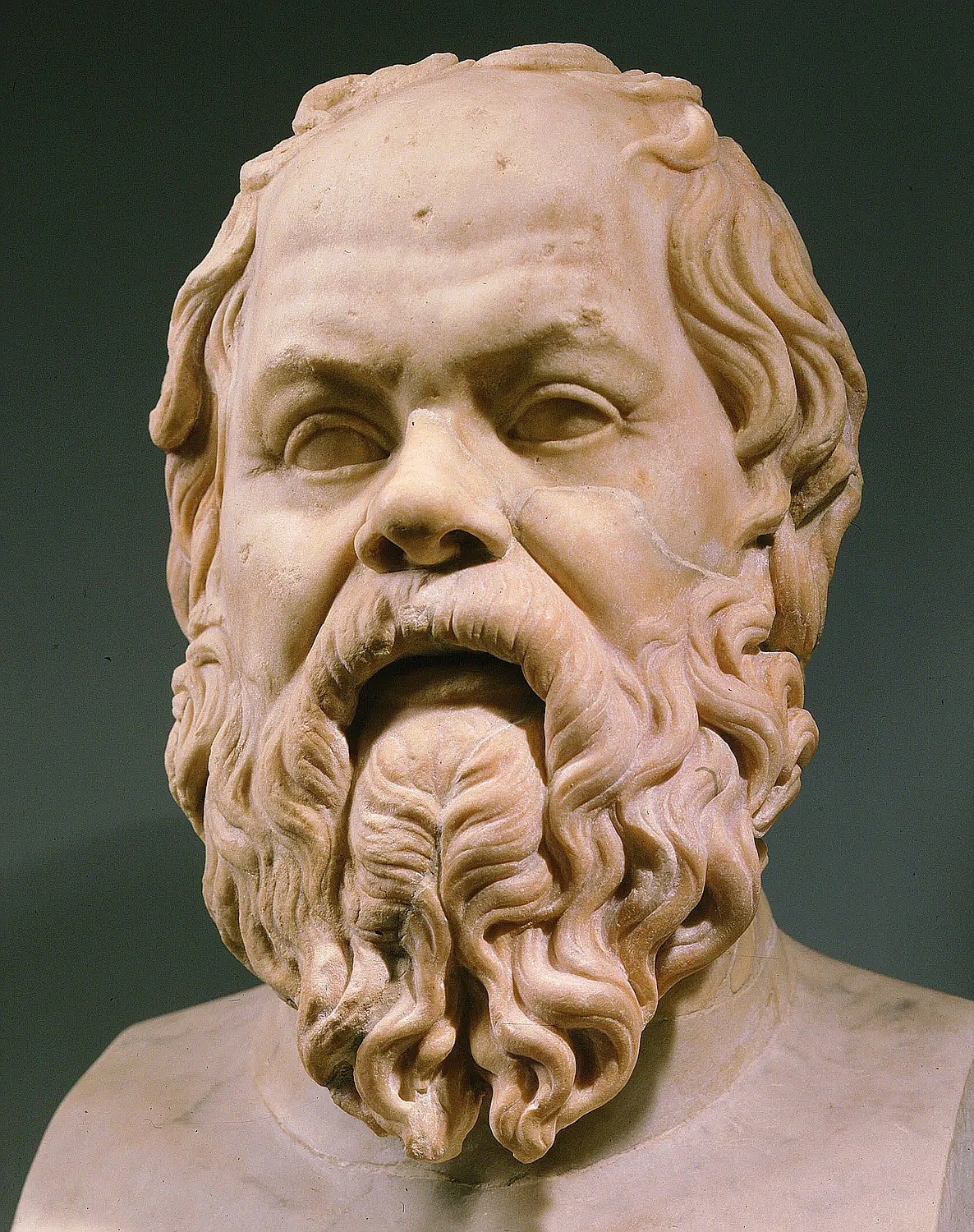
But then I try to think back to my old philosophy notes from college. Socrates, the original disruptor, had this wild idea: No one does wrong voluntarily. He believed that every human being, from the barista to the billionaire, always acts in a way they think is good or beneficial. If they do something "evil," it is simply a massive failure of perspective. They are just operating on bad data.
This perspective shift is either totally confusing or a total game-changer. Maybe it is the ultimate antidote to the outrage culture that drains our energy every single day.
The Architecture of the Moral Mistake
When we read about political leaders' tales of crimes, we see evil. When we see a powerful tech CEO prioritize quarterly profits over the mental health of millions, we see greed. Socrates would see a "miscalculation of the good." That leader has convinced themselves that financial stability for their 50,000 employees is a higher "good" than a vague future cost. They aren't choosing to be a monster; they are trapped in a narrow, short-term logic.
Modern psychology backs this up with the concept of Cognitive Dissonance. We are wired to justify our actions so we can sleep at night. We create a narrative where we are the hero of our own story, even if the rest of the world sees us as the antagonist.
The Power of the "Ignorance" Filter
Socrates essentially viewed immorality as a giant system bug. He argued that if someone truly, deeply understood the long-term damage of their actions on their own soul and the collective, they would be incapable of doing it.
The problem today is that "power" has outpaced "sight." We have tools that can affect millions of people with one click, but our brains are still stuck in tribal, prehistoric modes of thinking. We are like kids with flamethrowers who think they are just playing with pretty lights.
Three Ways to Apply This Today
- Trade Outrage for Curiosity. When you see someone in power do something that makes your blood boil, ask yourself: What "good" do they think they are achieving? Understanding their warped logic doesn't mean you excuse them. It means you understand the battlefield better. You can't fix a problem you don't understand.
- Audit Your Own "Good." We all have blind spots. Socrates famously said the unexamined life is not worth living. Take a second to look at your own career. Are you "working hard" on something that actually adds value, or are you just chasing a version of success that you were told to want? Don't let your "good" be someone else's definition.
- Humanize the Opposition. It is easy to shout at a screen. It is harder to realize that the person on the other side is likely just as convinced of their righteousness as you are of yours. This is the only way we actually move toward solutions instead of just more noise.
The Modern Socratic Method
We live in an era of unprecedented influence. If we want to change the world, we have to stop assuming the "other side" is filled with people who want to watch the world burn. Most of them think they are the ones holding the fire extinguisher.
The real struggle isn't between good people and bad people. It is between those who are willing to question their own assumptions and those who are blinded by their own internal narratives. Let’s choose to be the ones who keep our eyes open. Let’s choose to debug the system rather than just yelling at the screen.
When we stop viewing the world through the lens of voluntary evil, we regain our power. We move from being victims of "bad people" to being architects of a better, more informed reality.
#Socrates #ModernPhilosophy #EthicalLeadership #MindsetShift #ethics
