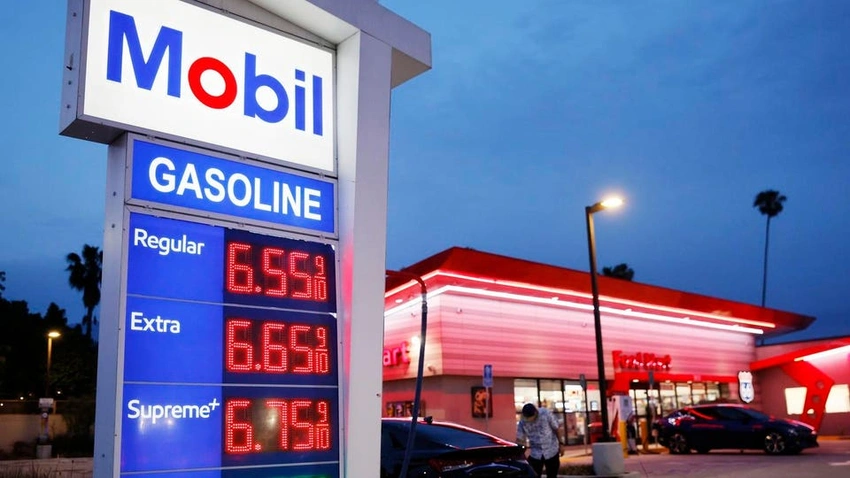

The latest inflation readings show consumer prices rising again in March, driven by a sharp uptick in energy costs linked to the ongoing Iran conflict. The consumer price index climbed 3.3% year over year, a result analysts had anticipated, with energy components leading the rebound and fueling concerns that inflation could stay stubbornly elevated as geopolitics keep oil markets volatile. Wall Street watched closely, weighing how a sustained energy shock might shape the path of monetary policy and the broader economic recovery.
Analysts noted that energy prices were the primary force behind the March uptick, with gasoline and other fuel costs moving higher as sanctions pressures and global supply concerns persisted. While other categories showed more tempered gains, the surge in energy inevitably spills into broader consumer costs, affecting transportation, manufacturing, and household budgets at a time when households are already adjusting to higher living costs. Market players signaled a cautious stance, expecting volatility to persist if energy prices remain unsettled and global risk appetite retreats.
Separately, sentiment among consumers has sunk to new lows amid inflation fears and the war’s spillovers. A record-low reading in the university index of consumer sentiment underscores households’ unease about price pressure and the economy’s resilience in the months ahead. The combination of rising prices and anxious consumers could influence both spending patterns and the Fed’s approach to policy normalization, inviting debates about further rate adjustments or pauses in the near term.
Looking ahead, the key question is how long this energy-driven inflation will last and whether energy markets can stabilize without triggering broader economic strain. If the conflict intensifies or supply disruptions deepen, energy prices could stay elevated, keeping inflation elevated and weighing on consumer budgets. If energy markets calm, there may be room for inflation to ease, supporting consumer confidence and a steadier trajectory for the economy. In the meantime, households are advised to monitor energy bills, price trends, and any policy signals that could affect borrowing costs and overall financial planning.
