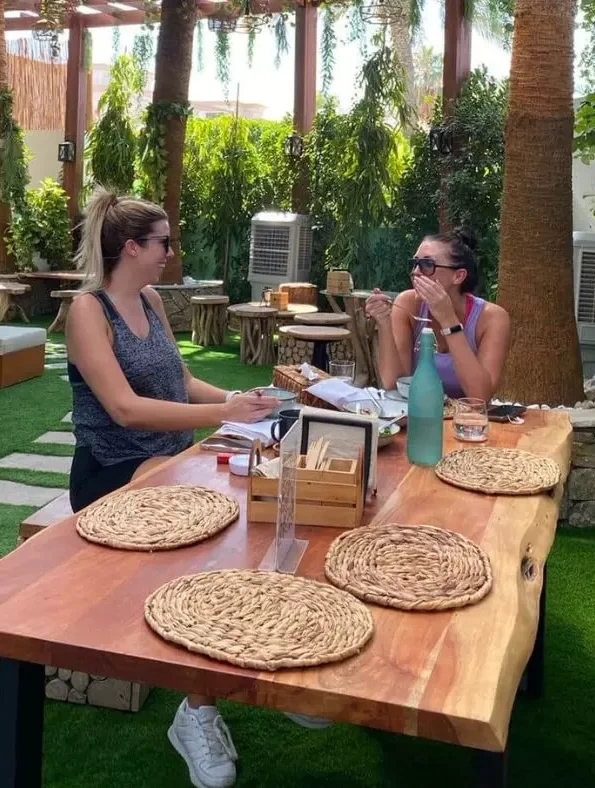

It started with the Chai Latte Index. Three years ago, the queue at my local café was populated by men in compression gear discussing their sleep scores and the precise molarity of their electrolyte water. They were the Biohackers. They vibrated with a frantic, caffeine-fueled energy, treating their bodies like volatile startups that needed to be pivoted, optimized, and scaled before breakfast.
But this is the year of neurowellness spas and cafes. Neuro Wellness Clinic in Gurgaon offers a stroke prevention service for professionals. Honeybrains in New York is a restaurant founded by a neurologist that serves food specifically designed based on neurological research to promote brain health. Café Swasthya in Delhi is a wellness cafe focused on Ayurveda-inspired, wholesome, and nutritious food to support mind-body balance.
The era of "Bro-Hacking" is quietly drowning in its own ice bath. We are witnessing the rise of Neurowellness.
For the uninitiated, the Biohacking phase was about conquest. It was a masculine reimagining of wellness that involved suffering as a KPI. You woke up at 4 AM not because you had to, but because comfort was the enemy. You submerged yourself in freezing water until your lips turned blue because you were "hardening the mind." It was exhausting just to watch. It felt less like health and more like a paramilitary operation against one's own physiology.
However, the urban anthropology of 2026 suggests a fatigue with self-optimization. The pendulum has swung from performance to peace. The goal is no longer to be a machine that never breaks down; it is to be a human who doesn't short-circuit.
This shift is visible in the sudden popularity of the "Low-Dopamine Hangout sesh." I overheard two friends in the metro discussing their weekend plans. In the old world, this might have involved a high-intensity interval training session followed by a productivity workshop. Instead, one of them suggested a "phone-free walk without a destination." The other nodded enthusiastically, as if this were a revolutionary concept rather than simply... walking.
Men are increasingly seeking out activities that regulate the nervous system rather than shock it. Pottery classes, watercolor workshops, beer brewing classes, bhajan jam sessions and even kolahpuri chappal making.
The "Social Sauna" has replaced the solitary ice plunge. The ice bath was an individual test of will, a solitary confinement of the ego. The social sauna is communal. It is about sweating it out together, literally and metaphorically. The conversation in these cedar-lined rooms has shifted from "crushing it" to "coping with it." It turns out that when you strip away the gadgets, the trackers, and the nutritional supplements, you are just left with a nervous system that is desperately trying to interpret the noise of the modern world.
We cannot ignore the irony here. There is still a performative element to this peace. We are now "optimizing" our relaxation with the same fervor we once applied to our workouts. We track our "readiness" scores and monitor our heart rate variability to prove how chill we are. We have gamified tranquility.
Yesterday at a busy cafe, as I watched the fintech guy sip his turmeric tea, closing his eyes to savor the lack of stimulation, I couldn't help but feel a sense of relief for him. The Biohacker wanted to live forever. The Neurowellness advocate just wants to live right now, without feeling like the sky is falling.
Maybe that is the ultimate hack. We realized that the body isn't a machine to be overclocked. It is a garden to be tended. And sometimes, the most productive thing you can do is absolutely nothing at all.
