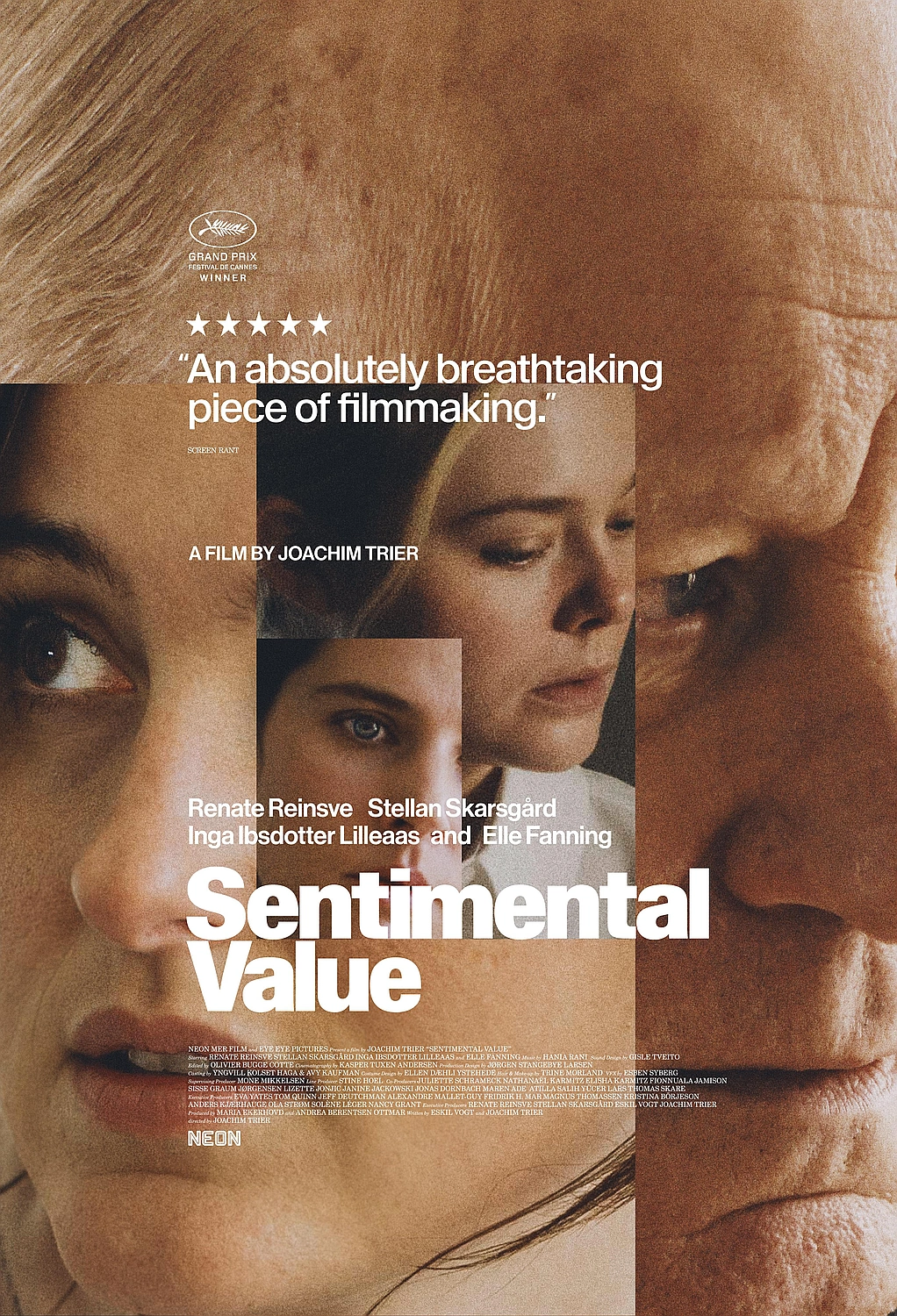

I found myself thinking about my own family while watching Sentimental Value, which is perhaps the most revealing thing one can say about Joachim Trier’s cinema. His films do not announce their importance. They linger. They settle into the half-formed thoughts we rarely articulate, into the emotional residues of relationships that never resolve cleanly. Sentimental Value continues this quiet tradition, offering not a spectacle of reconciliation, but a study of how love, disappointment, and artistic ambition fold into one another over time.
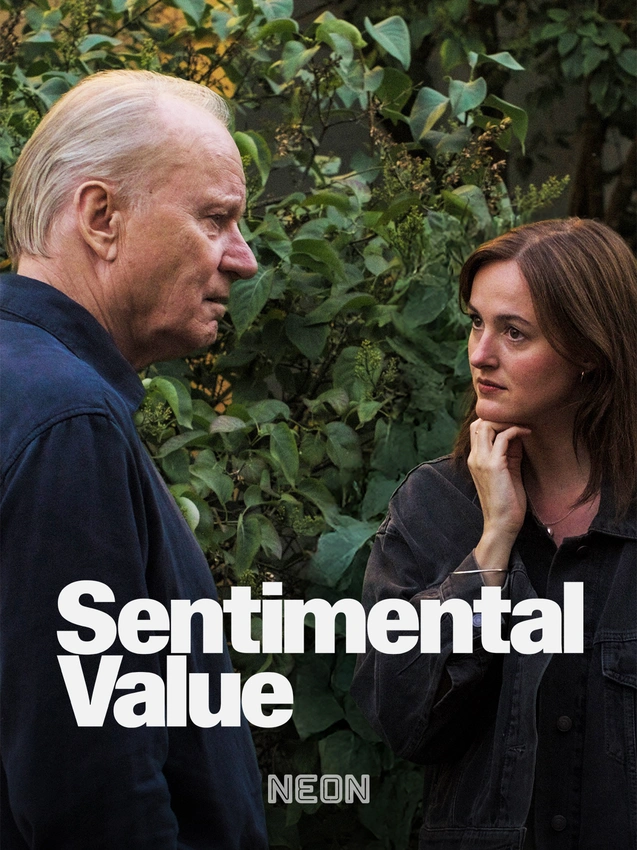
Rather than asking whether families can be healed, Trier seems more interested in asking something thornier: what happens when the past becomes material? When memory is no longer private, but something to be shaped, curated, and possibly exploited in the name of art?
Memory as Material
At its narrative centre, Sentimental Value follows two sisters, Nora and Agnes, whose estranged father Gustav re-enters their lives after the death of their mother. His return is not framed as an emotional reckoning but as a creative proposition: Gustav plans to make a film based on their family history and wants Nora, a stage actress, to play the lead role.
This premise immediately establishes the film’s core tension. Memory is not simply recalled; it is repurposed. Grief is not just felt; it is drafted into a screenplay.
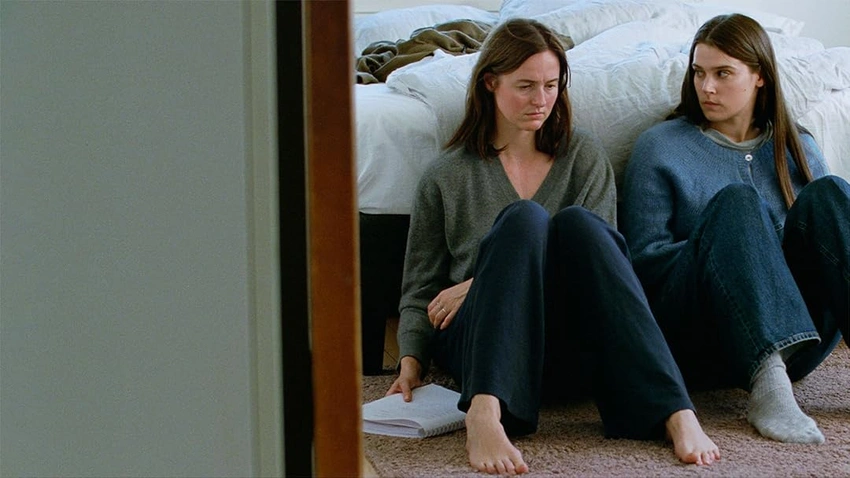
Trier treats this process with deep ambivalence. On one hand, art appears as a genuine attempt to understand the past. On the other, it risks becoming a strategy for avoidance — a way of transforming personal responsibility into aesthetic distance. The film never allows us to settle comfortably into either interpretation.
This ambivalence reflects a broader modern anxiety: in a culture saturated with memoir, autofiction, and confessional art, where does self-expression end and appropriation begin?
The Father as Artist, The Artist as Problem
Gustav embodies one of the film’s most uncomfortable ideas: that artistic sensitivity does not automatically produce emotional literacy. He is thoughtful, articulate, and capable of profound creative insight, yet consistently inept at sustaining intimacy.
Rather than presenting him as a monstrous figure or a misunderstood genius, Trier places him in a morally grey zone. Gustav is neither redeemed nor fully condemned. He exists in the recognisable space of people who have learned how to speak beautifully about emotion without necessarily learning how to practise care.
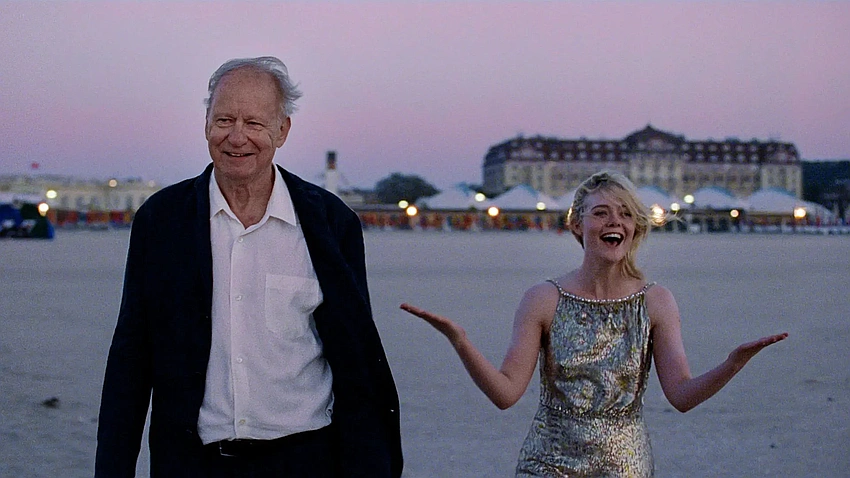
This is perhaps Sentimental Value’s most devastating observation: that art can become a substitute for accountability.
Instead of apologising, Gustav offers a script. Instead of listening, he reframes. His desire to cast Nora feels less like an invitation and more like a claim — as though her inner life is already his property because it originates from a shared past.
The Politics of Withholding
Nora’s reluctance to participate in her father’s film is one of the work’s quiet political gestures. In a cultural environment that often celebrates exposure as courage, her refusal insists on another possibility: that privacy, silence, and withdrawal can also be ethical positions.
She does not dramatise her pain. She does not translate it into art. She simply withholds it.
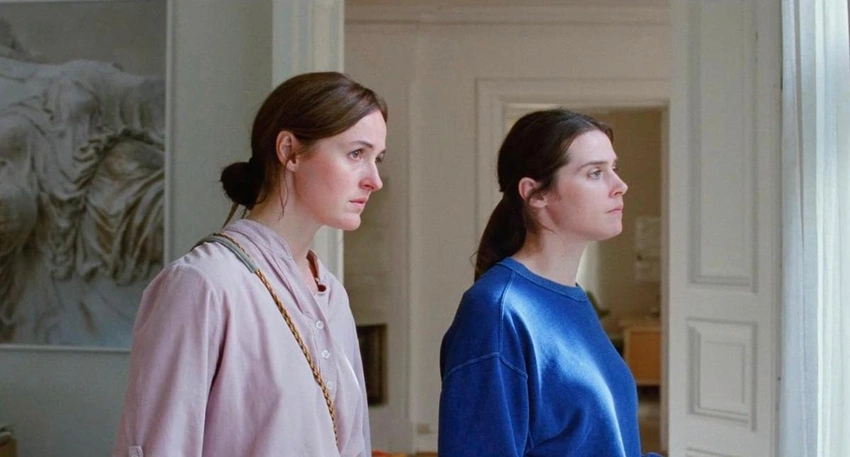
This refusal destabilises a familiar narrative structure in which healing is equated with expression. Sentimental Value suggests that not everything needs to become communicable to be valid. Some wounds remain personal. Some stories do not require witnesses.
Agnes, by contrast, navigates grief differently, leaning toward reconciliation and emotional openness. The film resists ranking these responses. Instead, it presents coping as plural, uneven, and shaped by temperament rather than moral virtue.
The House as Emotional Architecture
The family home occupies a central symbolic role. It is at once a physical inheritance, a memory container, and a prospective film set. Past and present coexist uneasily within its walls.
Trier treats space phenomenologically: rooms seem to remember even when people attempt not to. The house becomes a materialisation of psychic accumulation — a structure built not only of wood and brick, but of arguments, silences, and deferred conversations.
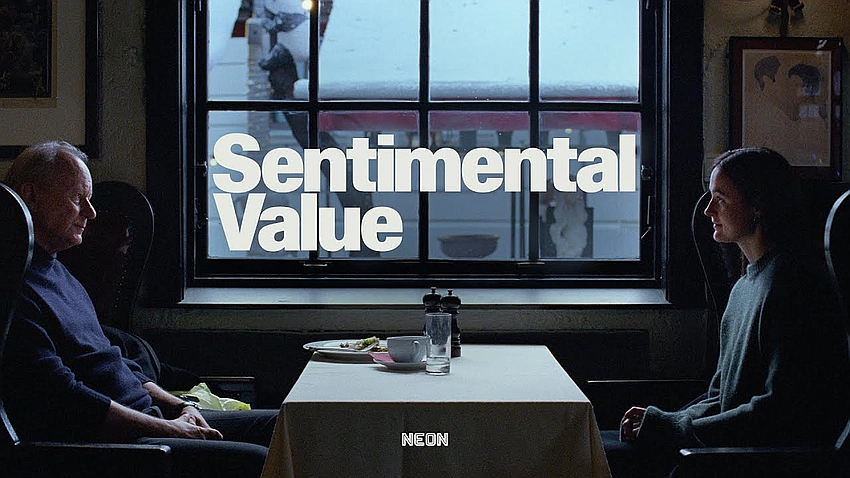
When Gustav envisions recreating the house for his film, the gesture feels telling. He does not merely want to return to the past. He wants to control its representation.
This desire mirrors a broader impulse within art-making itself: to stabilise what is inherently unstable. Sentimental Value repeatedly shows the futility of this impulse. Memory remains resistant, fragmentary, and emotionally asymmetrical.
Performance as Interior Gesture
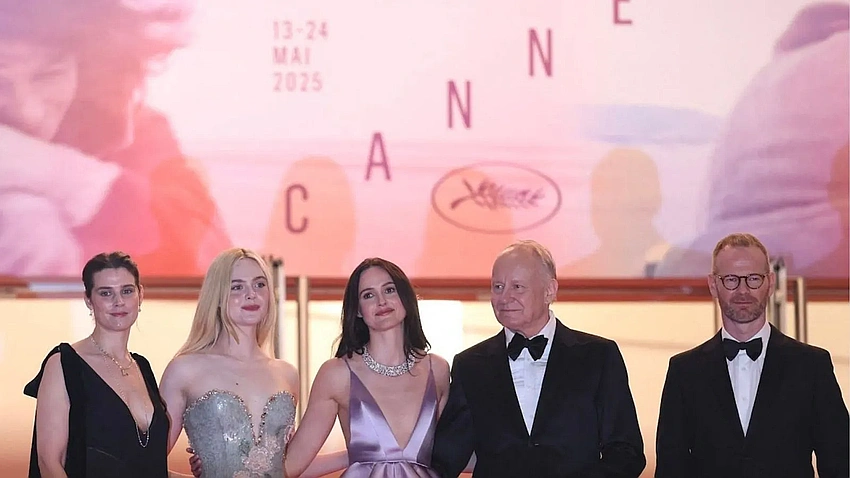
The film’s performances are notable not for theatricality but for modulation. Renate Reinsve’s Nora operates through micro-expressions, withheld reactions, and carefully calibrated distance. Stellan Skarsgård’s Gustav moves between charm and emotional obtuseness without ever tipping into caricature. Elle Fanning’s Rachel Kemp, an actress cast in Gustav’s film, introduces an external perspective that subtly exposes the strangeness of this family’s internal logic.
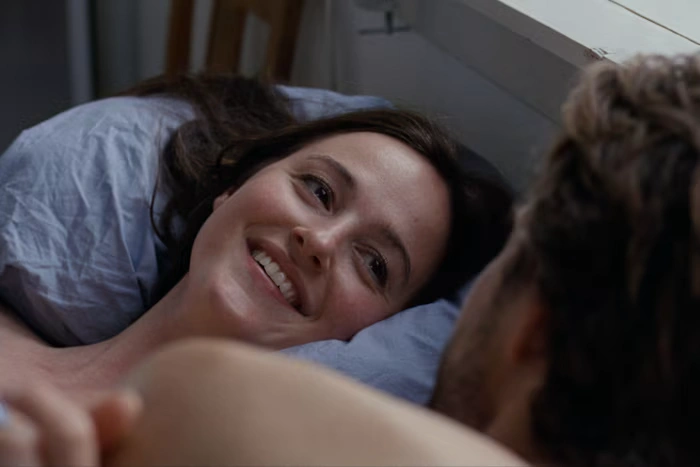
None of these characters are asked to explain themselves fully. The film trusts the audience to read what remains unsaid.
This aesthetic restraint aligns with the film’s thematic commitments. Excessive exposition would betray a story concerned with opacity, partial knowledge, and emotional misalignment.
Why This Film Resonates Now
Sentimental Value arrives in a moment when personal experience is increasingly treated as cultural currency. Social media, creative industries, and literary markets all reward the transformation of life into content.
Trier does not moralise this reality, but he complicates it. The film asks whether turning experience into art is always an act of bravery — or whether it can sometimes function as a displacement of ethical responsibility.
In doing so, Sentimental Value feels less like a family drama and more like a philosophical inquiry disguised as one.
Sentimental Value does not offer emotional closure. It offers recognition. Recognition of how people fail one another without necessarily intending harm. Recognition of how art can both illuminate and obscure. Recognition of how love often survives not through resolution, but through uneasy coexistence.
It is a film that trusts silence, honours discomfort, and refuses simplification. In an era that often mistakes loudness for depth, Sentimental Value insists that some of the most important truths speak quietly.
#SentimentalValue #JoachimTrier #MemoryInFilm #FilmReview #CultureCritique
