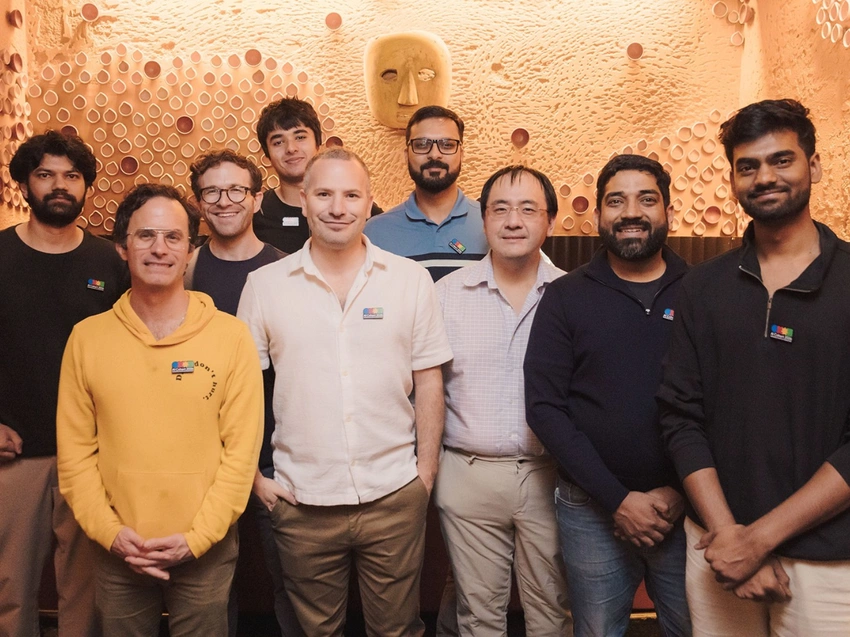

The AI landscape is currently experiencing a gold rush unlike anything we have seen since the early days of the internet. With massive players like Google and venture capital giants like Accel throwing millions at early stage startups, the message is clear: if you are not building with AI, you are not in the game. But as the latest Atoms AI cohort kicks off in Bengaluru, a stark reality is emerging. Out of 4,000 applications, only five startups made the cut. That is a success rate of just over zero percent.
While we celebrate the lucky few like Dodge AI or Zingroll, we have to ask ourselves about the thousands of others. Is this funding boom actually fostering wide scale innovation, or is it creating an elite circle of AI haves while the rest are left to scramble for scraps?
The Winners: Access to the Ivory Tower
The startups that make it into these elite programs get more than just cash. They get the holy grail of modern tech: compute power. With hundreds of thousands of dollars in credits for Google Cloud and Gemini, these founders can experiment at a scale that independent developers could only dream of. They gain a direct line to Mountain View and mentorship from the architects of the tools everyone else is just trying to use. For those five companies, the path to scaling is paved with gold.
The Hidden Barrier to Entry
The real concern is the barrier to entry. AI is not like building a social media app in a garage. It requires massive data, expensive GPUs, and specialized talent. When big tech companies become the primary source of funding and infrastructure, they effectively become the gatekeepers of the future. This risks a scenario where the only innovation that gets funded is the kind that serves the existing platforms.
Who Misses Out?
Small, bootstrapped teams without big tech pedigree might find it increasingly hard to compete. If the path to success requires being picked by a handful of global VCs, we might miss out on the weird, niche, or truly disruptive ideas that do not fit into a neat quarterly growth projection. The AI race is exciting, but we should hope that the spirit of the open web survives the era of the closed model. Funding is the fuel, but if only five cars are allowed on the track, it is not much of a race.
