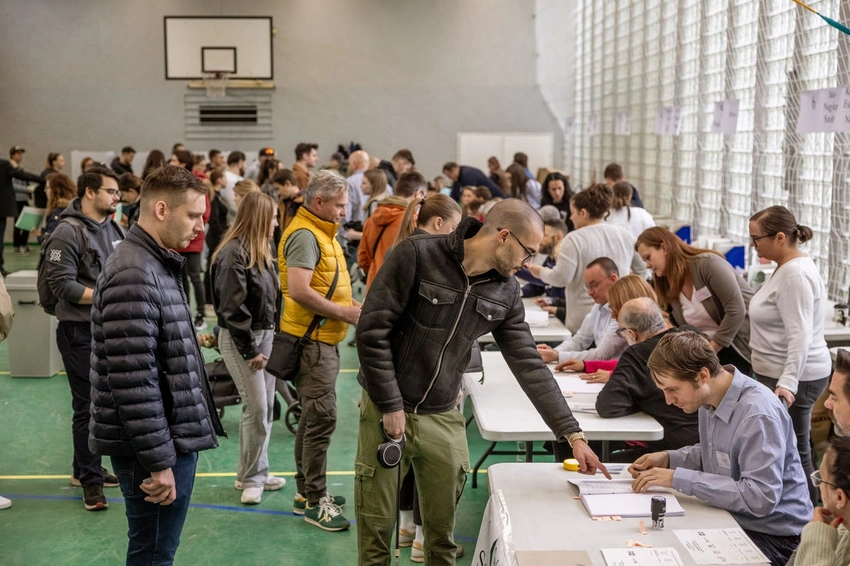

Viktor Orban’s 16-year rule appears to have ended as voters delivered a decisive rebuke. Péter Magyar led the opposition to a landslide victory, signaling a new chapter for Hungary after years of what many called an illiberal drift. The nation woke to the results Sunday night with a clear mandate to redraw the political map.
In power since 2010 after winning a two-thirds majority, Orban reshaped the constitution, judiciary, electoral rules and economy, while championing anti-immigration rhetoric and a fierce nationalism. He wooed foreign investment, balancing open sectors with tight control, and promoted family policies even as fertility rates dipped to about 1.31 by 2025, a trend critics argued undermined his demographic promises.
The opposition coalition pledged reforms and a reset in foreign policy, including EU relationships and regional diplomacy. The results may redraw Hungary's stance within the EU, with much of the energy now focused on stabilising institutions, upholding rule of law commitments, and addressing economic concerns left by years of austerity and policy experimentation.
Observers say the path ahead will test the country's fragile checks and balances, political culture, and the resilience of the civil service. The inaugural days of this transition will define whether the new leadership can translate the decisive vote into lasting change.
As many Hungarians voiced, "we don't want to be experimented on any longer" — a line captured in the backlash against the stagnation and polarisation of the last decade, and a call for steadier governance and more inclusive growth.
