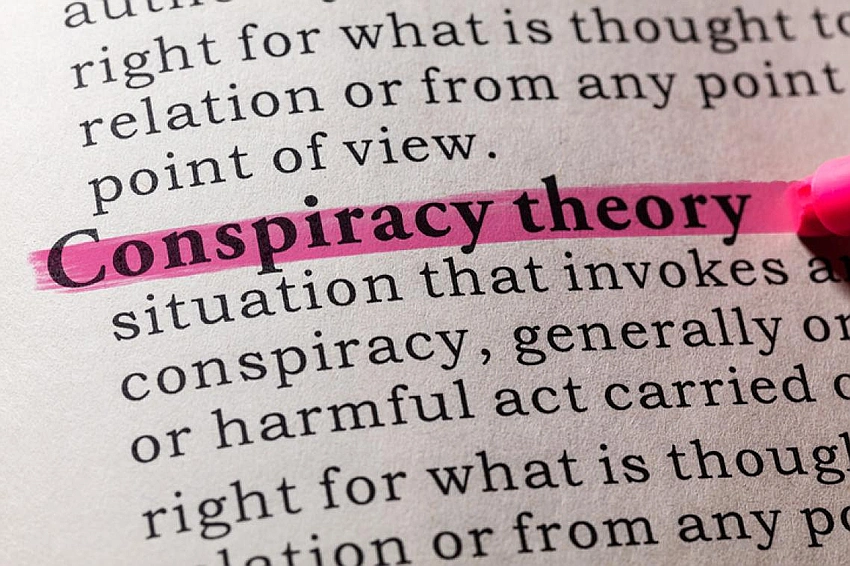

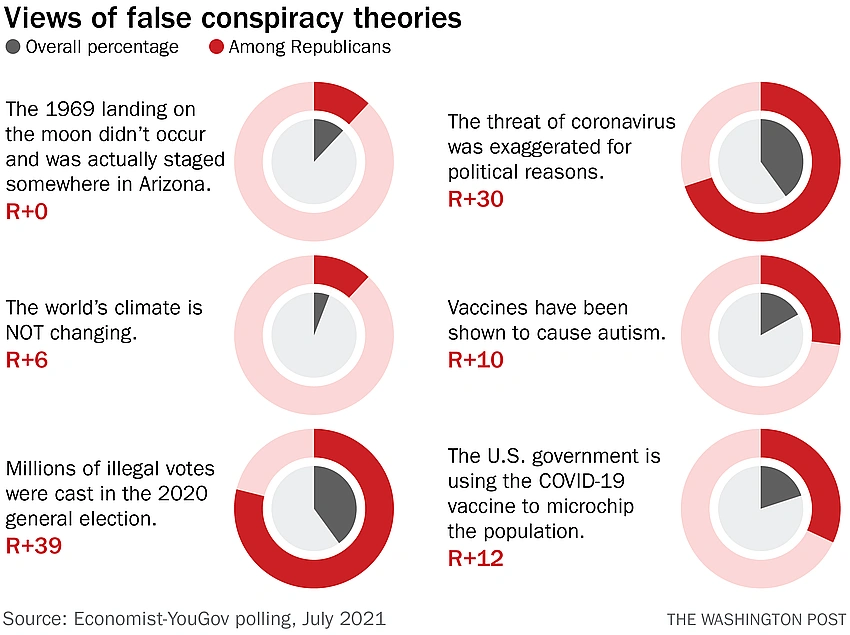
Conspiracy theories are everywhere. From claims that elections are rigged to the endless churn of COVID and climate hoaxes, the Right has turned paranoia into a political art form. The question is why. Why does the Right, more than any other space, seem addicted to these fantasies?
Fear in a Neat Package
The world is messy. Things like pandemics, climate disasters, and global inequality don’t have neat causes or easy fixes. But the Right doesn’t deal in complexity. It deals with enemies. Conspiracy theories shrink chaos into a simple story: someone is pulling the strings. Globalists, scientists, migrants, take your pick.
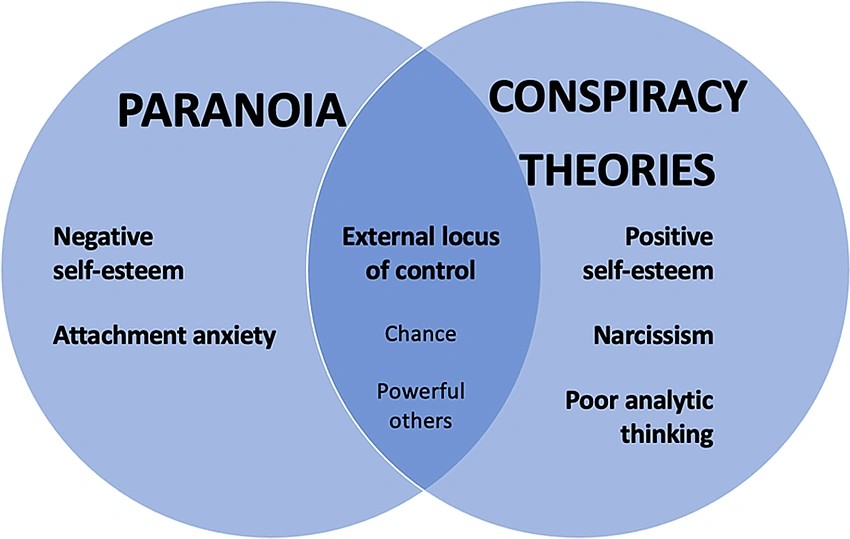
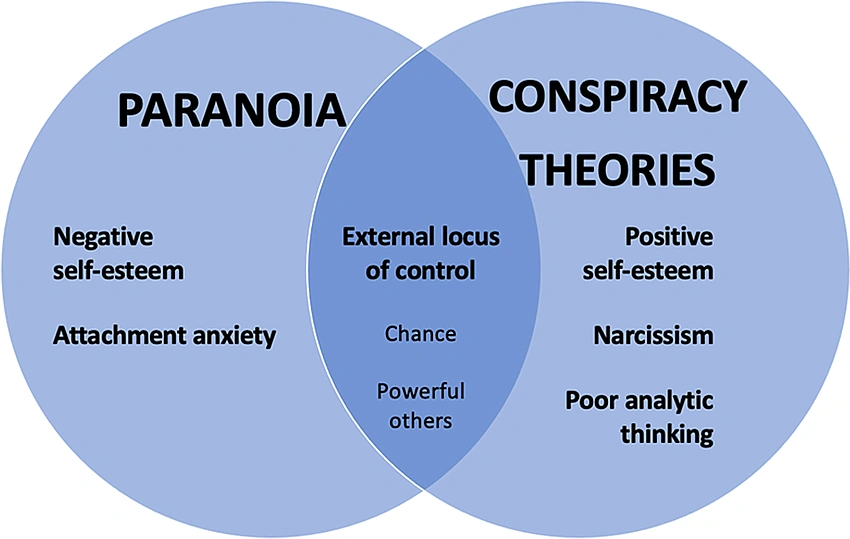
Psychologists point out that when people feel powerless, they reach for conspiracies to explain the world. The Right thrives on creating that sense of insecurity and then feeding people stories that soothe it.
Playing the Victim Card
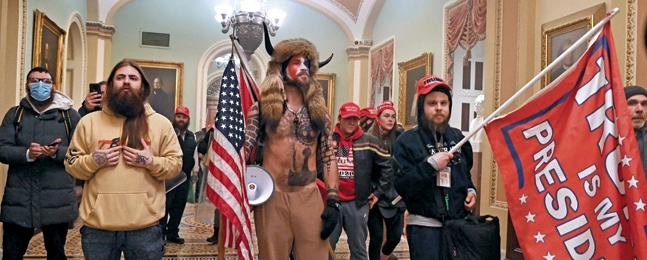
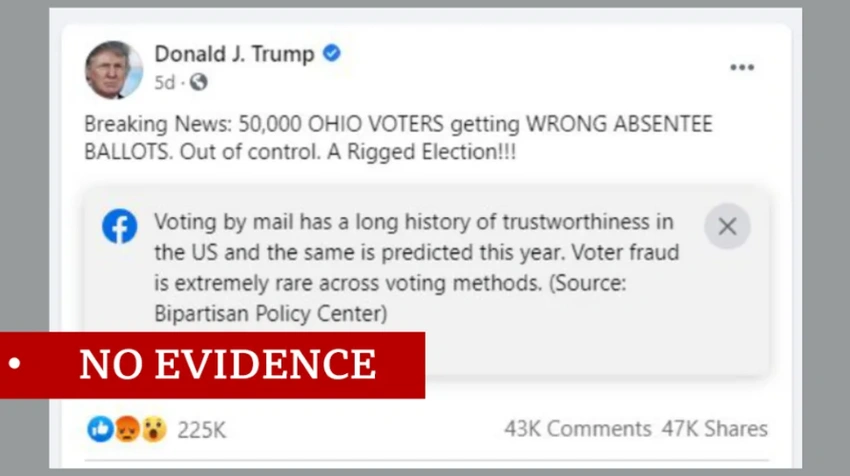
Right-wing politics is built on grievance. The story goes: the nation was once great, and now it’s been stolen. By who? That’s where conspiracy theories slot in. If your side loses an election, it must have been stolen. If society changes faster than you’d like, it must be engineered by hostile forces.
Research shows that conspiracy belief is strongest at political extremes, and the far Right has leaned into this more than anyone else. Distrusting science, institutions, and the media isn’t a side effect. It’s become part of the identity.
Conspiracies Are Just Stories
At heart, conspiracy theories are narratives. They come with villains, secret plots, and promised revelations. That’s why they spread so easily: they feel like myth. QAnon, for example, is basically a modern fairy tale, except the monsters are Democrats and the promised saviour is a former president.
But unlike literature, which invites you to question and reflect, conspiracies demand belief. They flatten nuance into paranoia. They don’t expand your imagination. They shrink and guide it.
Echo Chambers Do the Heavy Lifting
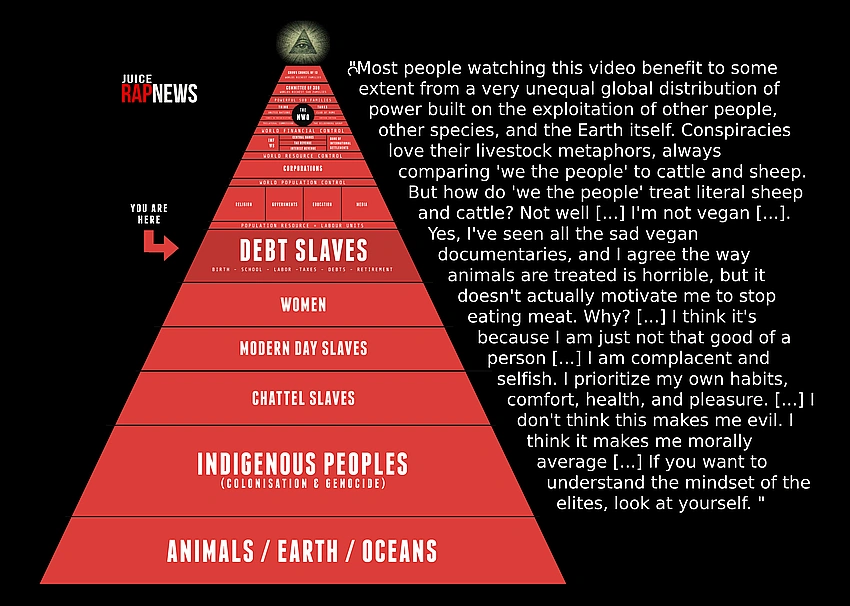
The Right doesn’t just stumble into conspiracies; it builds ecosystems to amplify them. Media outlets, political speeches, and online influencers keep the paranoia circulating. Then, social media algorithms make sure fear and outrage get boosted to the top of your feed.
This has consequences. If people are convinced elections are always rigged, they stop trusting democracy. If they believe scientists are always lying, they ignore climate warnings. These aren’t harmless theories. They erode the foundations of public life.
Exploiting Human Shortcuts
We all have mental biases. One of the strongest is “big events must have big causes”. The Right leans hard into this. A pandemic can’t just be bad luck and bad management; it has to be a lab leak engineered by elites. Rising global temperatures can’t be caused by fossil fuels; it’s a hoax to control you. And when they say "Elites", they mean the "Other" or the minorities. Somehow, tech oligarch billionaires such as Elon Musk are not elite, but Greta Thunberg is, according to the Right.
These stories don’t just comfort the fearful. They protect the powerful, shifting attention away from systemic problems and onto imaginary enemies.
The Real Damage
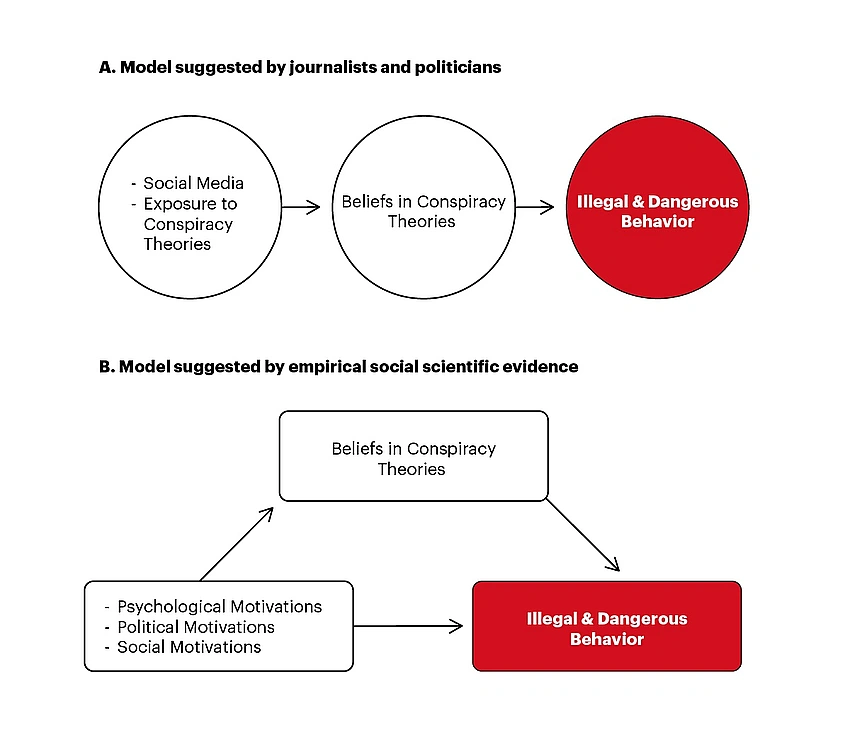
Conspiracy theories aren’t just silly stories. They kill. COVID denialism spread faster than the virus. Climate scepticism delays action while the planet burns. Paranoid myths about minorities feed hate crimes. And studies show that conspiratorial thinking reduces trust in democracy and increases tolerance for violence.
The Right doesn’t care because the chaos is useful. Conspiracies mobilise their base, silence criticism, and keep voters focused on invented enemies instead of real issues like inequality or corporate greed.
Why It Keeps Working
The truth is simple: the Right loves conspiracy theories because they work. They turn fear into loyalty, anger into mobilisation, and distrust into a political resource. They don’t fix problems; rather, they distract from them.
And that’s the point. Conspiracy theories are not about truth. They’re about power.
#ConspiracyTheories #RightWing #PoliticalDiscourse #PublicOpinion #FearPolitics #RightVsLeft #Politics #GlobalPolitics
