
Music for the Rest of Us: Why Future Instruments are a Game Changer
Music has always felt like a bit of a gated community. If you did not spend a decade mastering scales or developing the finger strength of a rock climber, you were basically out of the club. But things are changing fast. We are entering an era where the barrier to entry for creative expression is finally crumbling, thanks to a new wave of bizarre and brilliant inventions.
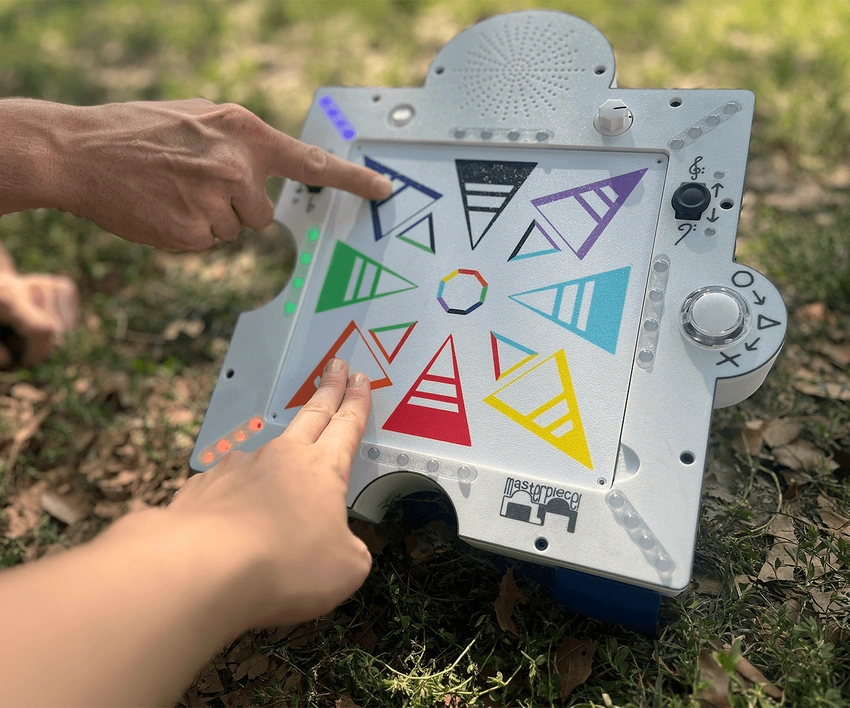
Imagine walking into a room and seeing a bicycle wheel rigged with guitar strings or a mysterious touch-operated synthesizer that looks more like a tablet than a piano. These are not just art projects or science experiments. They represent a fundamental shift in how we think about melody and rhythm. The traditional approach to music education often prioritizes technique over raw creativity, but these new tools flip the script. They prioritize the human urge to make sound, regardless of technical skill.
Why This Matters
The democratization of music is about more than just fun gadgets. It is about accessibility in the truest sense. For people with physical limitations or those who simply never had the time for formal training, these futuristic instruments offer a way in. A box that responds to your touch or a device that turns simple gestures into complex harmonies means that anyone can be a composer.
At recent tech competitions, we have seen things like the Demon Box and custom-built touch synths that challenge our definition of what an instrument should be. Some of these devices do not even have keys. They invite players to explore through tactile feedback and pure experimentation.
Breaking the Rules
One of the most exciting aspects of this movement is how it throws out the rulebook.
- No more agonizing over complex sheet music.
- No more blisters from steel strings.
- Just pure, unadulterated sound.
We are moving toward a future where the instrument adapts to the human, not the other way around. Whether you are a professional musician looking for a new texture or a total novice who just wants to jam, the tools are getting smarter, weirder, and much more inclusive. It is time we stop worrying about playing correctly and start focusing on playing, period. The future of music is not just for the experts anymore. It is for everyone.
