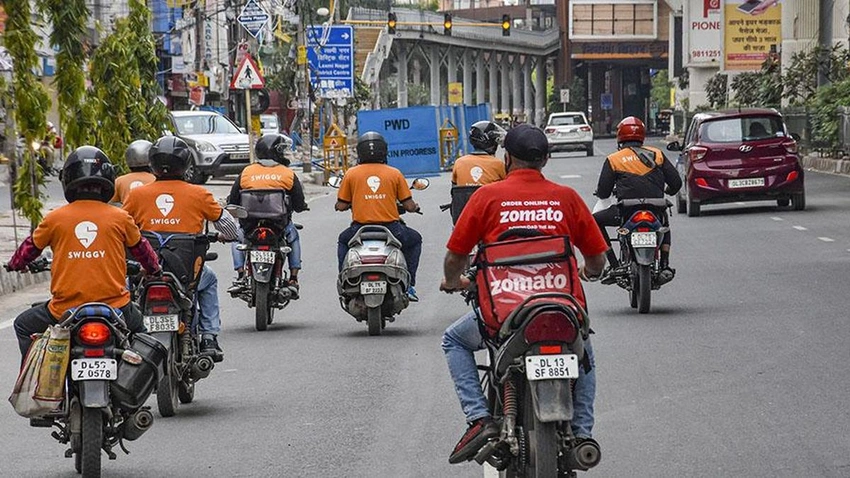

Drivers from Ola, Uber, Rapido and other app-based platforms walked off the job on February 7 in a nationwide protest dubbed All India Breakdown, saying they are fed up with endless exploitation and shrinking earnings. The action, supported by the Telangana Gig and Platform Workers Union and several other labor outfits, highlights mounting concerns over how app-based transport workers are paid and treated while aggregator platforms reap profits. The strike underscores a broader demand for accountability and a fairer economic playing field for frontline workers who rely on digital platforms to earn their livelihoods.
Union leaders argue that there is no government-regulated fare structure for riders working for these apps. They say platforms unilaterally fix fares, which they claim leaves drivers with unpredictable income and unsustainable working conditions. In a letter to Union Transport Minister Nitin Gadkari, they pressed for urgent regulatory oversight, aiming to ensure fare transparency and protect drivers’ livelihoods as part of a broader push tied to the 2025 Motor Vehicle Aggregator Guidelines. The unions want the central government to fast-track measures that would balance platform profits with the needs of workers who depend on these apps for daily income.
Among the key demands are the immediate notification of a minimum base fare by the central government and state authorities, along with the establishment of a government overseer to monitor fare structures and platform practices. They also called for stricter enforcement against the use of private, non-commercial vehicles for commercial passenger and goods transport, arguing this practice undercuts licensed transport providers and undermines safety standards.
The strike is being coordinated by the Telangana Gig and Platform Workers Union (TGPWU) and other labor groups across the country, signaling a broad coalition that sees the 2025 guidelines as a turning point for fair wages and market regulation in the gig economy. While the action may inconvenience riders in some regions, organizers say it is a necessary step to push policy-makers toward meaningful protections.
Observers note that the development could force a broader conversation about the profitability of app-based platforms versus the livelihoods of their drivers, alongside the impacts on commuters who rely on affordable rides. With negotiations ongoing, stakeholders on all sides are watching for signals from government officials about how quickly a regulatory framework might be enacted and how striking drivers’ concerns will be translated into concrete policy.
