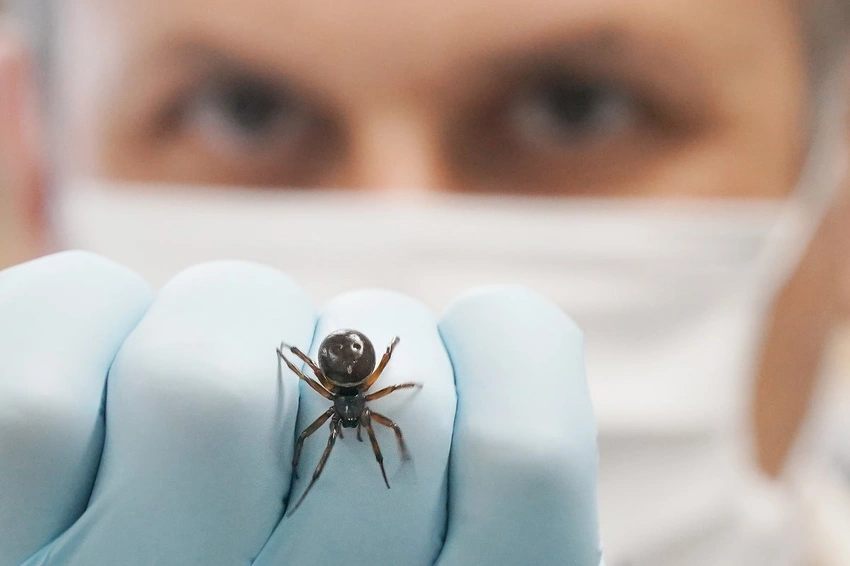

Hospital admissions for spider bites in England are rising, driven by a growing number of noble false widow spiders, according to a freedom of information request. In 2025, there were 100 hospital admissions linked to spider bites, up from 47 in 2015. The pattern shows a clear increase over the last decade, with 43 admissions in 2021, 95 in 2022, and 91 admissions in both 2023 and 2024. Of the 100 admissions in 2025, 73 came through A&E departments. These figures suggest bites are moving beyond rare incidents and into more routine hospital cases.
Experts attribute the rise to the spread of noble false widow spiders, described as a top threat by some researchers. The species is thought to have originated in Madeira and the Canary Islands and was first spotted in southern England in 1879. They are typically between 7 and 14 millimetres long and can be identified by pale markings on their bodies that have been described as skull-shaped. Their webs are a tangle of threads hung above ground, and they are commonly found in kitchens and conservatories.
University of Oxford lecturer Clive Hambler told reporters that 50 years ago there were hardly any severe bites, but as the false widow becomes more abundant in Britain, the number of serious incidents is likely to rise.
Public health officials emphasise that the spiders are not generally aggressive and there are no records of serious illness or death from bites, though pain and swelling can occur in rare cases. Charities such as Buglife note the spiders are not aggressive; still, they remind people to keep homes clean, seal gaps, and shake out clothing and bed linen when in areas where spiders are common.
