
The Fine Line of Fire
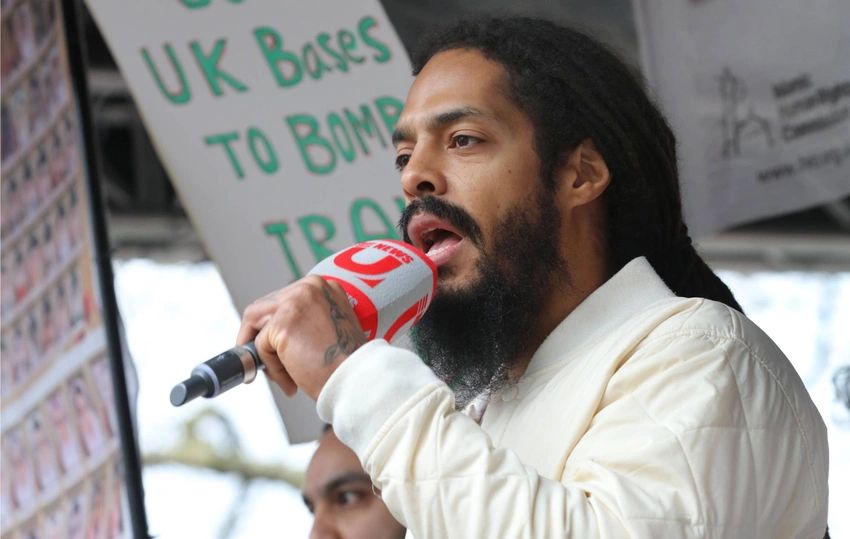
We love to boast about our freedom of expression. It is the bedrock of any healthy democracy. But lately, the streets of London have become a testing ground for how far that freedom can stretch before it snaps. When a musician or a protest leader stands before a crowd and leads a chant calling for the death of a specific military force or group, we are no longer just talking about policy or human rights. We are entering a gray zone where political expression meets the rhetoric of violence.
Why Context Matters
Protests are supposed to be uncomfortable. They exist to challenge the status quo and demand change. If every slogan had to be polite, no one would listen. However, there is a fundamental difference between advocating for a cause and inciting harm. One is a call for justice: the other is a direct invocation of mortality.
When these phrases echo through central London during events like Al Quds Day, they do not just stay in the air. They land in the ears of local communities who feel targeted and unsafe. For London’s Jewish residents, hearing calls for death in their own city is not just a matter of differing opinions. It feels like a threat to their collective safety.
Who Holds the Whistle?
The real problem is that nobody seems to agree on where the line is.
- The Police: They investigate these incidents, but they often find their hands tied by legal definitions.
- The Crown Prosecution Service: They look for evidence of a crime, but frequently determine that specific language, however offensive, does not meet the high bar for prosecution.
- The Public: We are left to debate it on social media, often retreating into our own ideological echo chambers.
The Danger of Silence
If we allow these chants to become a normalized part of our protest culture, we risk devaluing the very causes these activists claim to support. Radicalism often drowns out the legitimate grievances of the peaceful majority.
We have to ask ourselves: if the roles were reversed or the targets were different, would we still defend the right to chant for death? If the answer is no, then our stance on free speech is not based on principle, it is based on tribalism. It is time for a clearer conversation about where protest ends and incitement begins. We cannot let our streets become a stage for hate under the guise of activism.
