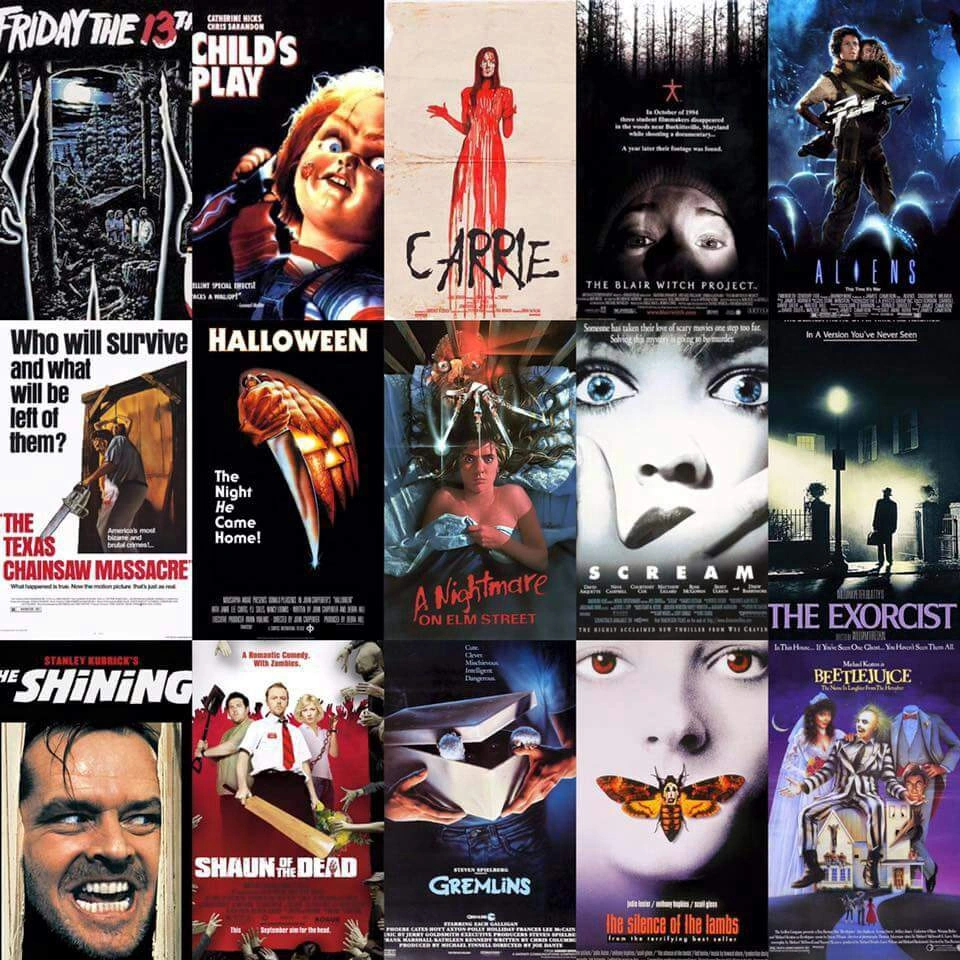

Horror has predominantly been the most haunted of genres (bad pun intended), in its subject matter but also its cultural legacy. From Psycho to The Shining, the canon of classics is shaped by the anxieties of their times, only revealed as such decades later.
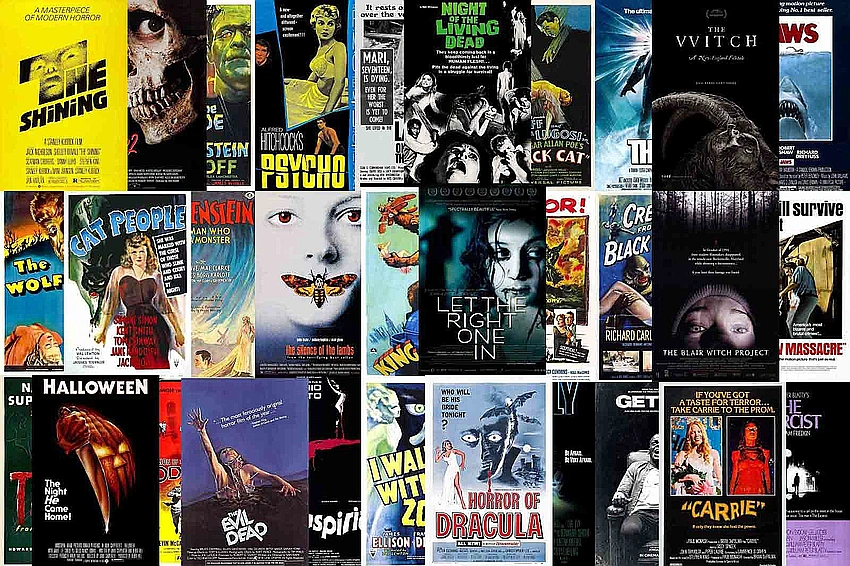
What makes a horror film a “classic” is its ability to enter cultural memory, to resonate with literary traditions, and to evoke theoretical debates about the body, identity, and the abject, rather than merely relying on its shock value or box office success. Looking at the past twenty years of cinema (2005-2025), ten horror films stand out as future classics to me, already inscribed in the Gothic imagination of our century.
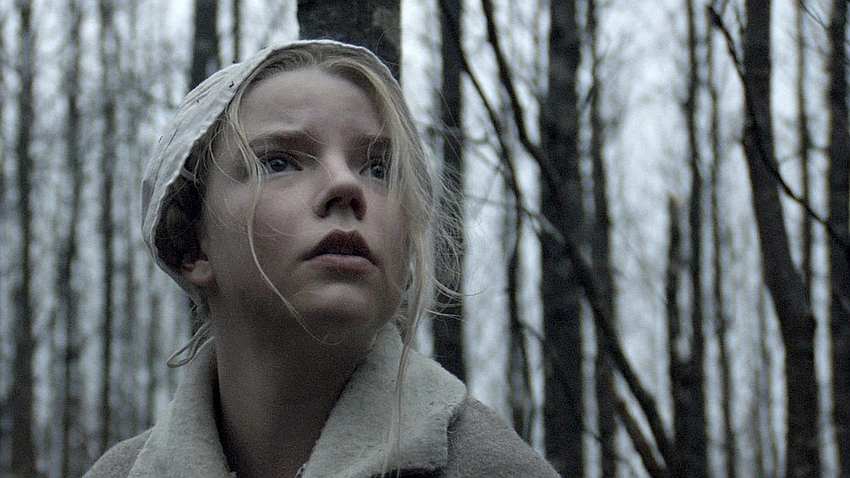
1. The Witch (2015, Robert Eggers)
Set in 1630s New England, The Witch resurrects the Puritanical anxieties at the heart of American Gothic. Eggers painstakingly reconstructs dialect, costume, and folklore, giving the film the feel of a seventeenth-century sermon turned nightmare. Like Hawthorne’s Young Goodman Brown, it stages the disintegration of faith under the pressure of repression and projection.
From a theoretical lens, Julia Kristeva’s concept of abjection is key. The figure of Thomasin, the daughter accused of witchcraft, embodies how the patriarchal family rejects what it cannot control: female sexuality, disobedience, and desire. The goat Black Phillip functions as the Lacanian Real, the eruption of the forbidden that dismantles Puritan order. In this sense, The Witch does not merely depict horror; it performs the very process by which social anxieties manufacture the monstrous.

2. The Substance (2024, Coralie Fargeat)
Already hailed as a polarising feminist body-horror landmark, The Substance depicts a dystopian mechanism where women can consume a black-market drug to generate younger, idealised versions of themselves. It is grotesque, flamboyant, and deeply political.
Here, the Gothic merges with feminist theory. Judith Butler’s reflections on performativity echo in the split identities of Demi Moore and Margaret Qualley, two bodies torn between age and idealisation. The horror stems not from the monstrous Other but from the enforced norm: the demand for eternal youth. Kristeva’s abjection reappears in the abject flesh: the leaking, dismembered, multiplying female body. This is horror as critique: it stages the violence of a culture that simultaneously commodifies and rejects the female body. Much like Mary Shelley’s Frankenstein, The Substance reimagines creation as grotesque, violent, and uncontainable.
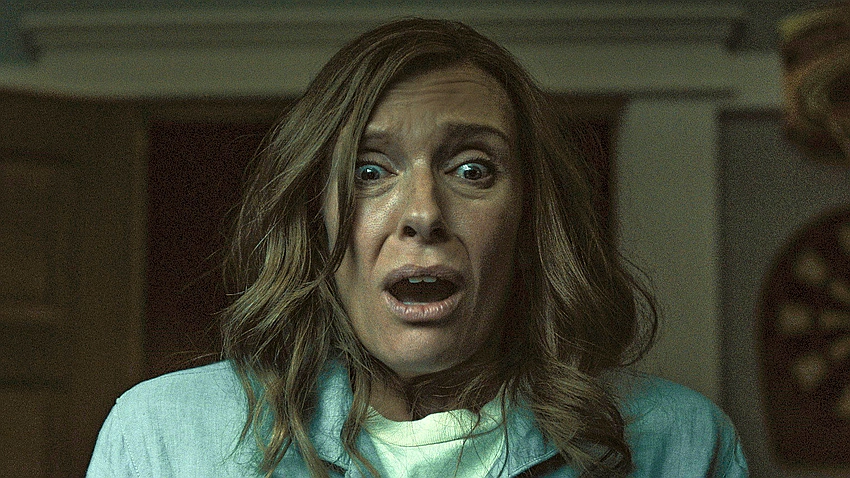
3. Hereditary (2018, Ari Aster)
Aster’s debut is arguably the most canonical horror of our century so far. Beginning as a family drama and ending in an operatic Satanic ritual, Hereditary fuses psychological realism with cosmic terror. Like Greek tragedy, it depicts the inevitability of fate; like Gothic novels, it binds family inheritance with curses and demons.
Kristeva’s abjection again plays a role; the mutilated body of Charlie, the possessed child, lingers as an image of the horror within domesticity. But more than that, the film echoes Butler’s ideas of kinship. Hereditary exposes how family structures, supposedly safe havens, can reproduce violence across generations. Its classic status will endure because it transforms domestic grief into myth, echoing Aeschylus as much as Shirley Jackson.
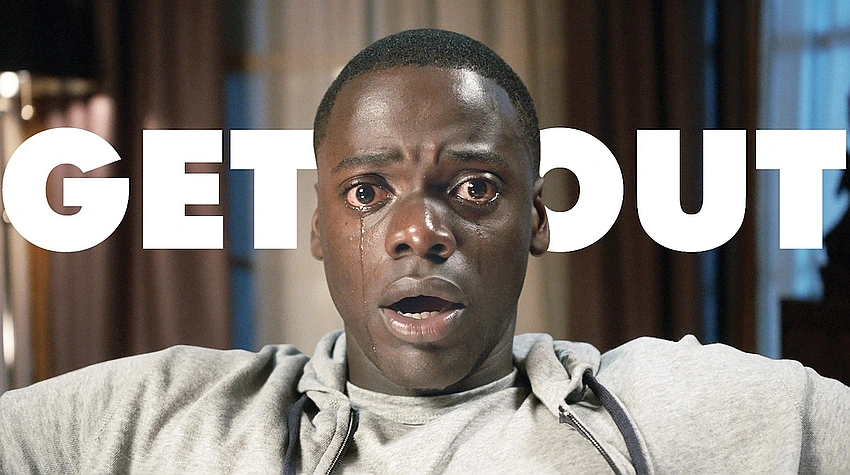
4. Get Out (2017, Jordan Peele)
Where Hereditary dwells in the metaphysical, Get Out roots horror firmly in the politics of race. Peele’s satire on liberal racism uses the conventions of Gothic captivity and possession: the “sunken place” echoes both Gothic dungeons and postcolonial theories of subjugation.
Frantz Fanon’s Black Skin, White Masks reverberates here; the appropriation of Black bodies by white desire literalises the violence of assimilation. The Gothic mode has frequently interrogated anxieties about the Other, and Peele reclaims this tradition, making the Black body itself the site of horror and resistance. Like Dracula, Get Out will endure because it entwines political critique with cultural myth-making.
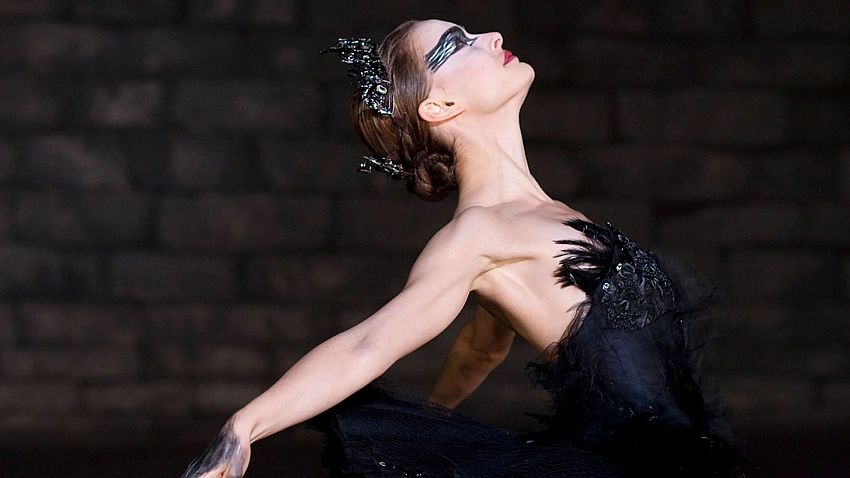
5. Black Swan (2010, Darren Aronofsky)
Though often debated as a psychological thriller rather than “horror”, Black Swan exemplifies the Gothic obsession with doubles, mirrors, and bodily disintegration. Nina’s descent into madness echoes both the Gothic heroine trapped by patriarchal discipline and the Romantic notion of the artist consumed by perfection.
Butler’s performativity offers a way in: Nina’s transformation into the “black swan” is the violent manifestation of the demand to embody femininity as performance. The film’s body horror elements, such as the breaking toes and sprouting feathers, reflect Kristeva’s abject body, a site where the border between human and animal collapses. In literary terms, it inherits from Poe and Hoffmann, tales where art and madness are indistinguishable. Its endurance lies in this interweaving of aesthetic and bodily terror.

6. The Skin I Live In (2011, Pedro Almodóvar)
Almodóvar’s Gothic melodrama fuses science fiction with revenge tragedy. A surgeon (Antonio Banderas) holds captive a woman in an experiment of skin transplantation, only to reveal that she is his prisoner-turned-victim of enforced gender transformation.
The film is reminiscent of Frankenstein, but also the Gothic captivity narrative. Here, gender itself is the site of horror: Butler’s notion of gender as a regulatory regime becomes literalised through surgical violence. The abject body, stitched, violated, reconstituted, echoes Kristeva’s vision of horror as the breakdown of boundaries. It is both startling and elegiac, destined for classic status because it stages the Gothic not in medieval castles but in sterile laboratories.
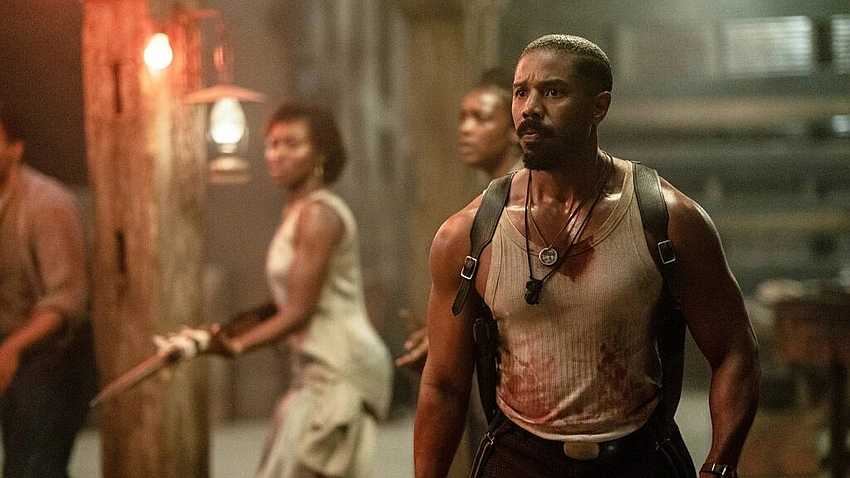
7. Sinners (2025, Eddie Alcazar)
Though very recent, Sinners signals itself as a cult object already. Combining surrealist aesthetics with grotesque prosthetics, Alcazar’s film imagines a dystopia where sin is both visible and punishable through bodily mutation.
This reflects the moral apologues of medieval morality plays, updated through body horror. The Gothic tradition has consistently linked sin with physical monstrosity, from Milton’s Paradise Lost to Stevenson’s Jekyll and Hyde. Here, the body becomes a moral text, leaking and deforming under the weight of judgment. Kristeva’s abjection is again central: horror is the visibility of what society wants to disavow.
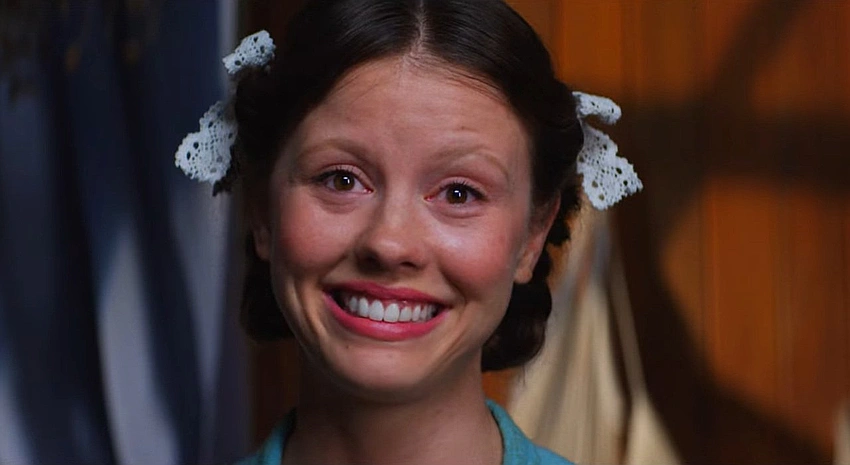
8. Pearl (2022, Ti West)
A prequel to X, Pearl transforms slasher tropes into Technicolour melodrama. Mia Goth’s Pearl is both grotesque and tragic, a heroine who wants stardom but becomes an assassin instead.
Here, the Gothic merges with American melodrama: like Gothic heroines of the nineteenth century, Pearl is trapped by patriarchal structures, denied escape, and forced into monstrosity. Butler’s reflections on the violence of norms are echoed in her suffocation under domestic duty. Pearl’s breakdown portrays the Gothic’s obsession with the “madwoman”, from Bertha Mason to Charlotte Perkins Gilman’s narrator in The Yellow Wallpaper.
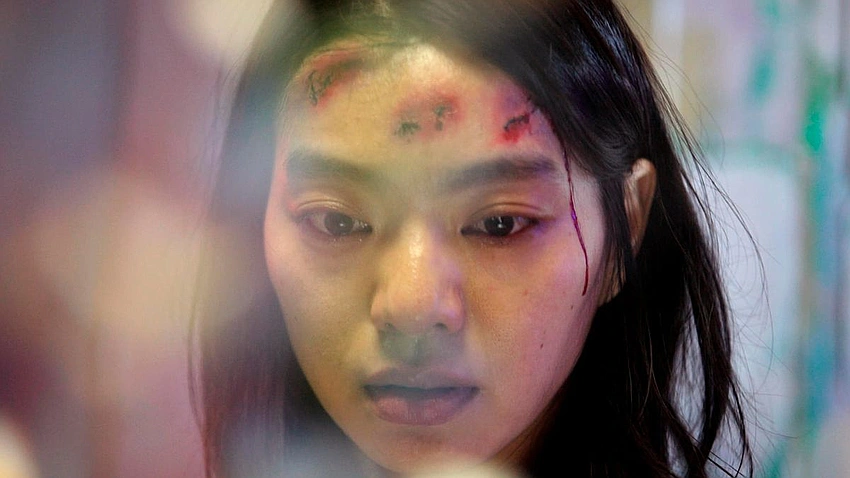
9. Kotoko (2011, Shinya Tsukamoto)
This Japanese film is perhaps the most underappreciated on the list, but it exemplifies the Gothic interior turned outward. It follows a mother suffering from delusions and self-harm, terrified of losing her child. Tsukamoto’s handheld camerawork creates a fractured subjectivity that mirrors Kristeva’s psychoanalytic explorations of depression and maternal horror.
In literary traditions, Kotoko represents the maternal Gothic from Radcliffe’s persecuted heroines to Toni Morrison’s Beloved. The body here is not a spectacle but a wound, the mother torn between nurture and destruction. That claustrophobic interiority, rendered in raw intensity, will grant Kotoko a place in the long Gothic lineage.
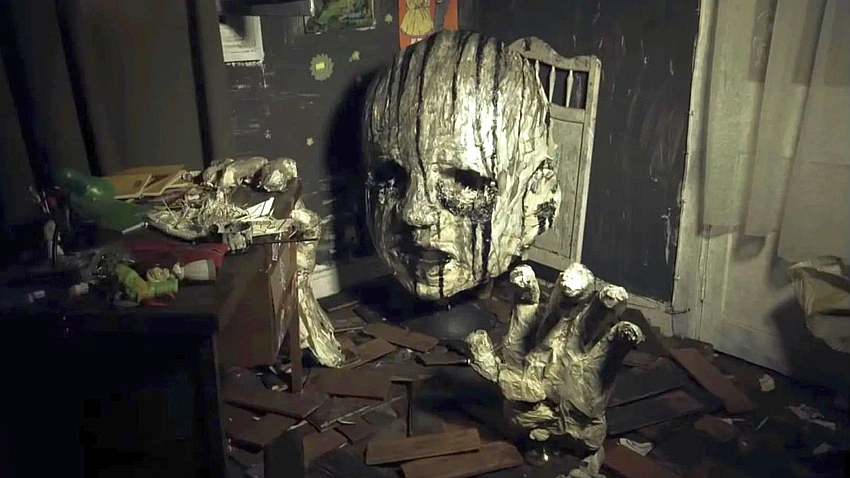
10. The Wolf House (2018, Cristóbal León & Joaquín Cociña)
This Chilean stop-motion horror is perhaps the most overtly metaphorical. Framed as a Nazi propaganda fairy tale, it tells of a young woman trapped in a house where materials morph and bodies dissolve. The grotesque animation recalls early surrealist cinema but also fairy-tale Gothic traditions.
In theoretical terms, the house is the abject body writ large: boundaries collapse, and flesh becomes architecture. It reverberates with Kristeva’s idea that horror is the precarity of borders. Politically, it allegorises dictatorship and cult indoctrination, making it not just Gothic but historical horror. Like Kafka or Bruno Schulz in literature, The Wolf House offers a nightmare parable that ensures its longevity.
Closing Thoughts
What unites these ten films spanning American indie, European arthouse, Japanese experimentalism, and Latin American apologue is their ability to stitch horror into older traditions: the Gothic novel, the abject body, and feminist and postcolonial critique. They are not “just” horror films; they are cultural texts where anxieties of gender, race, family, and politics are staged through the monstrous and the uncanny.
As a literature student, I see them not as isolated cinematic shocks but as contributions to the Gothic canon. Just as Frankenstein or Dracula outlived their initial notoriety, these works will haunt future decades not only in streaming queues but also in classrooms, critical essays, and the shared language of horror itself.
Let me know in the comments which films you think will be the next horror classics.
#HorrorMovies #FutureClassics #CulturalLegacy #GothicCinema #FilmAnalysis #Culture #MovieReview #Horror
